Physical Address
304 North Cardinal St.
Dorchester Center, MA 02124
Physical Address
304 North Cardinal St.
Dorchester Center, MA 02124

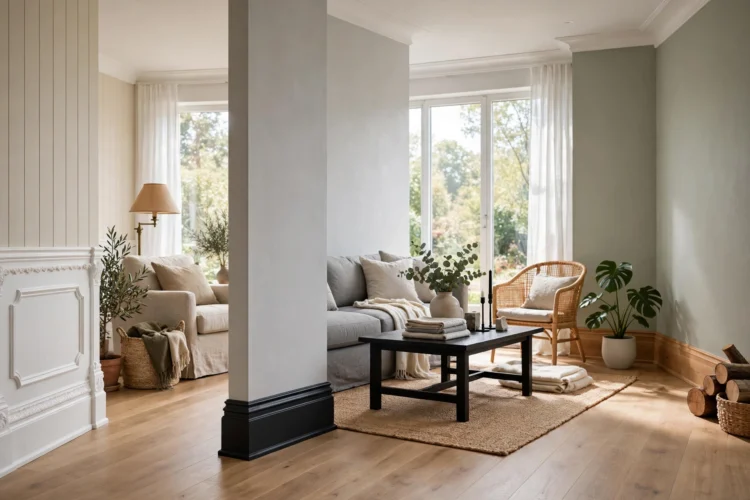
Baseboards are small, but they set the tone of a room. These ten styles show how height and profile move a space from builder-basic to finished.
Baseboards are the trim where the wall meets the floor, and most people notice them only when they are missing or damaged. That is a shame, because baseboards set the tone of a room. A tall, crisp baseboard makes a room feel finished and solid. A thin, plain one makes the same room feel like a builder cut corners. These baseboard molding ideas cover ten styles, from the standard three-inch board to tall profiles that change how a room feels. The right choice depends on the height of your ceilings, the style of your trim, and how much character you want the room to carry.
The three-inch baseboard is the default in most new homes, and it is the style most people live with without thinking about it. It is a simple flat board with a small cap, and it does its job: it covers the joint where the wall meets the floor and protects the wall from shoes and vacuums. It is also the style that disappears, which is both its strength and its weakness.
A three-inch baseboard suits a small room or a home with eight-foot ceilings, where a taller board would look out of proportion. If your home has the standard board and you want a change, painting it a crisp white or a soft contrast color is the cheapest upgrade. The board stays the same, but the room looks cared for.
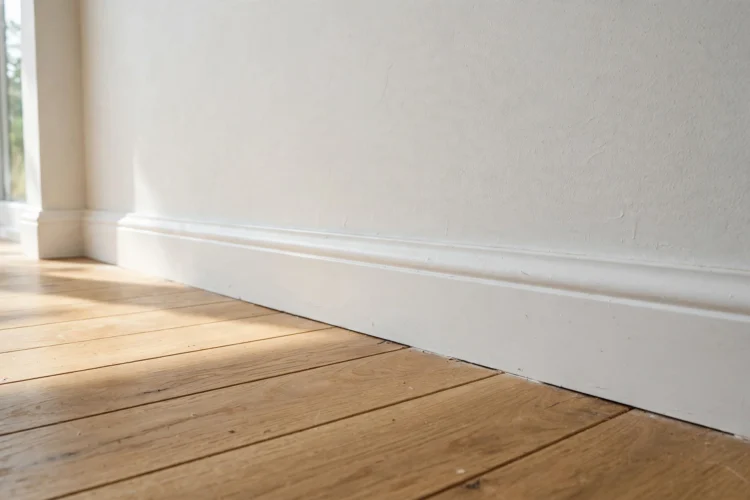
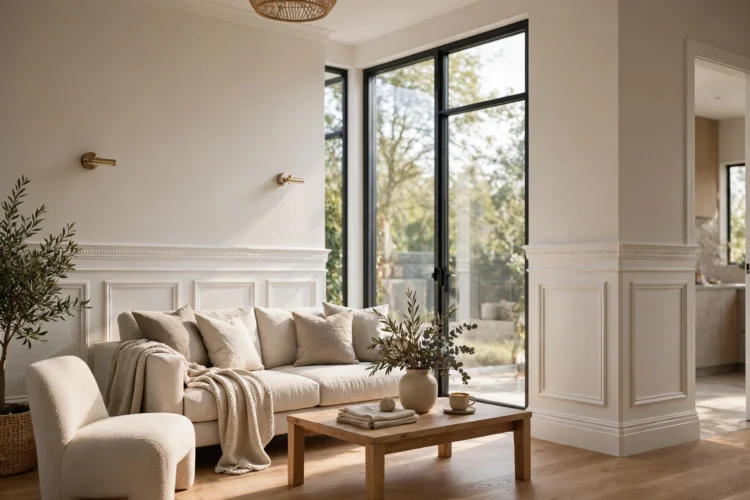
Tall baseboard trim changes a room more than any other single piece of molding. A five-inch board gives the wall a solid base, and the room feels grounded and finished, like a house that was built to last. Tall baseboards suit rooms with nine-foot ceilings or higher, where a short board looks lost against the height of the wall.
The cost of going tall is modest if you are already replacing the trim, because the labor is the same and only the material changes. Paint tall baseboards the same color as the door trim for a unified look, and keep the profile simple so the height, not the carving, does the work.
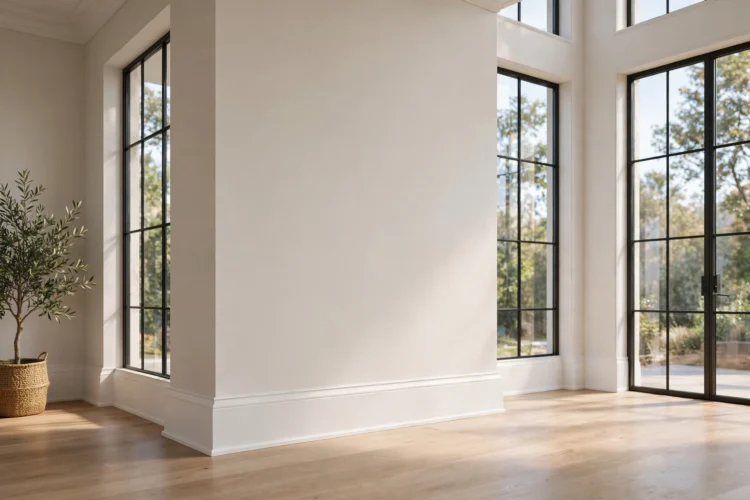
Flat stock baseboards are plain boards with square edges and no profile, and they are the right choice for a modern home. Modern baseboard styles skip the curves and the carving, and the flat board matches a modern door, a modern window, and a modern kitchen without a visual clash. The look is clean, quiet, and easy to keep dust-free.
Use a wider board, four to five inches, so the flat profile reads as a design choice instead of an unfinished edge. Paint it the same color as the wall for a seamless look, or paint it white for a crisp line at the floor. In a home with flat stock doors, the baseboard and the door casing should match in width and finish.
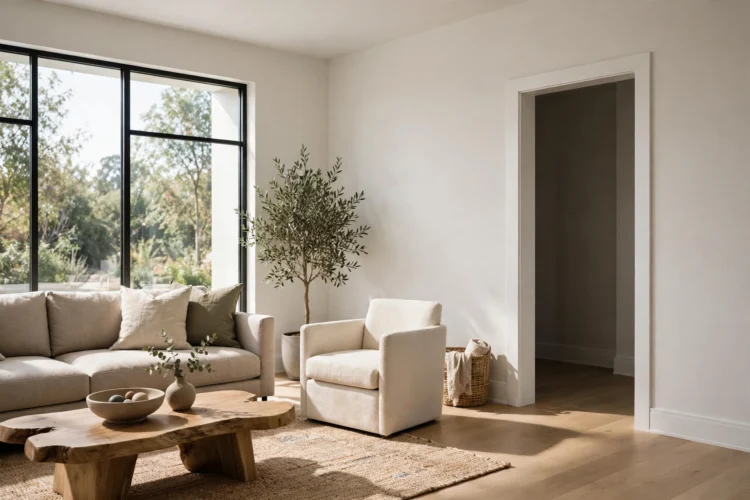
The colonial profile is the curved baseboard you see in most traditional homes: a gentle S-curve at the top that steps down to a flat base. It is the safe classic because it suits almost any traditional or transitional home, and it pairs with colonial door casing without a second thought. Baseboard profiles like this one have lasted for decades because they are neither plain nor fussy.
Colonial baseboards come in several heights, and the three-and-a-half-inch size is the most common. In a room with higher ceilings, step up to five inches and the same profile looks more substantial. Paint it white or cream, and keep the walls a soft color so the curve shows.
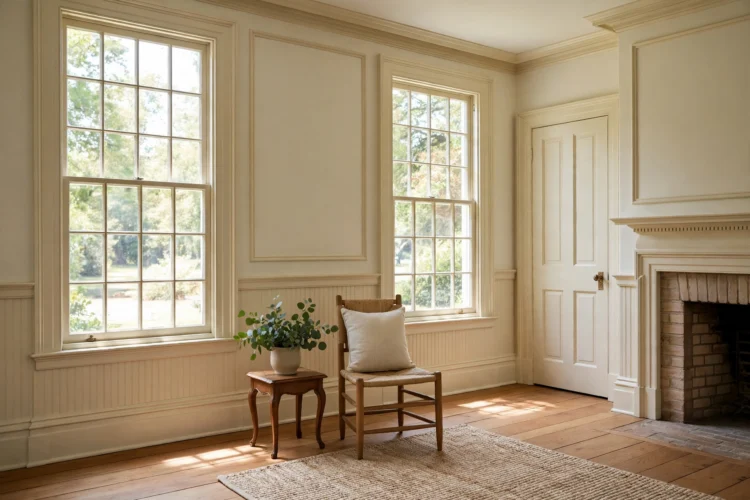
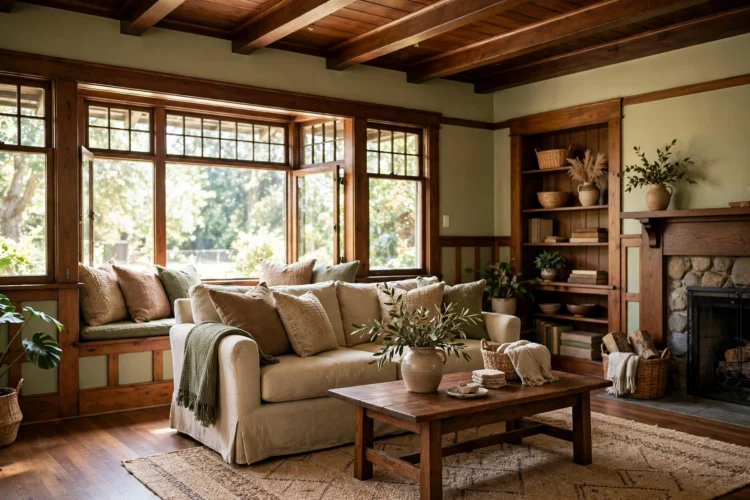
Craftsman baseboards are square, simple, and honest. A flat board with a small cap molding on top, and nothing else. The style comes from the Arts and Crafts movement, and it suits bungalows, cottages, and any home with wood trim and built-in furniture. The square edge reads as solid and hand-built.
Craftsman baseboards look best in a natural wood finish or painted in a warm white. Keep the cap molding simple, a small square or a slight bevel, and match the baseboard height to the door casing. In a Craftsman home, the baseboard, the window trim, and the door trim should all share the same square language.
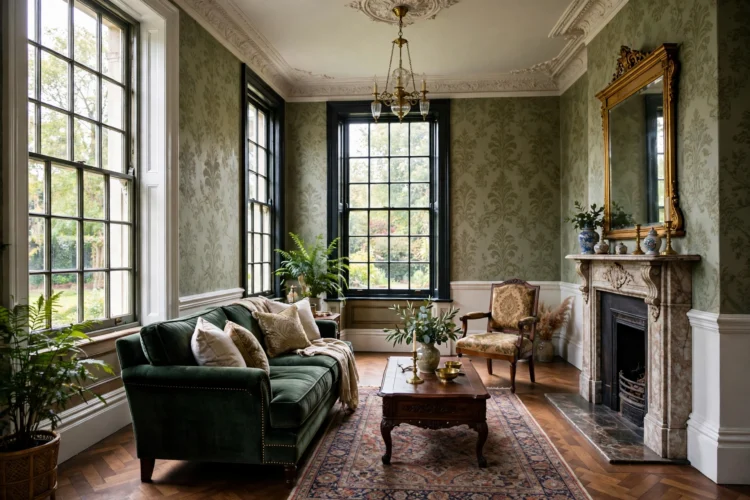
The Victorian ogee profile is the most decorative baseboard on this list, with a deep S-curve that catches light and shadow. It suits older homes with high ceilings and ornate trim, where the baseboard needs to hold its own against crown molding and wainscoting. In a plain modern room, it looks out of place, so match the style to the house.
Ogee baseboards are usually taller, five to seven inches, because the curve needs height to show. Paint them white in a room with dark walls, where the profile stands out, or paint them the wall color in a room where the trim should stay quiet. Crown molding ideas for low ceilings use the same principle: the profile should suit the height of the room, not fight it.
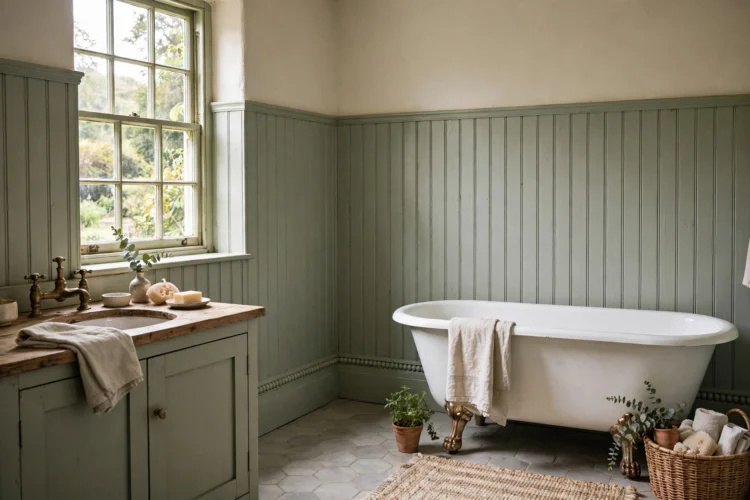
A beaded baseboard has a small round bead along the top edge, and the bead softens the line where the trim meets the wall. It suits cottages, farmhouses, and bathrooms, where a hard square edge feels too sharp. The bead catches a line of light, and the baseboard reads as finished even in a simple room.
Beaded baseboards pair well with beadboard wainscoting, because the bead repeats the same detail at a different scale. Keep the bead small, about a quarter inch, so it reads as a detail and not a rope. In a bathroom, a beaded baseboard in a moisture-resistant material holds up better than a plain board.
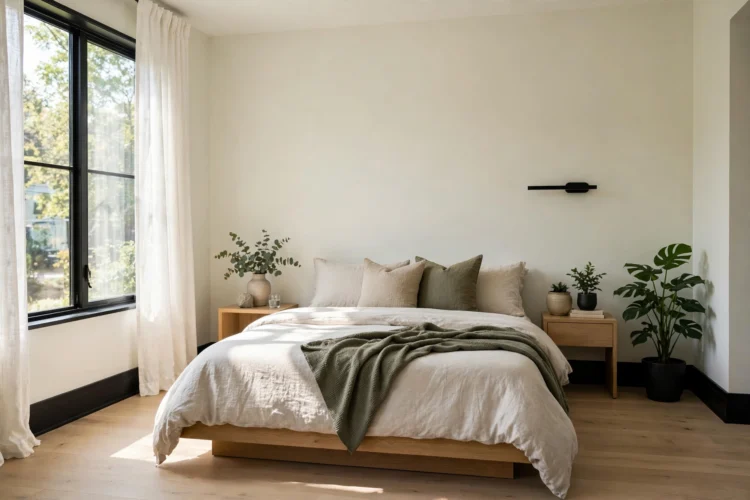
Black baseboards are the boldest choice on this list, and they change a room completely. Painted baseboards in black frame the floor like a picture frame, and they make pale walls and light floors look deliberate. The style suits modern and moody rooms, where the trim is part of the design instead of a background detail.
Use a satin or semi-gloss black so the baseboard wipes clean and the color stays rich. Keep the walls light and the door trim black too, so the baseboard does not look like a mistake. In a small room, black baseboards can feel heavy, so try them in one room first and live with the change before you commit to the whole house.
The baseboard and the door trim meet at every doorway, and the joint looks wrong when the two do not match. A baseboard that is thicker than the door casing sticks out past it, and a baseboard with a different profile creates a visible clash at the corner. Interior door upgrade ideas often start with this joint, because it is the detail that makes trim look professional instead of patched.
Match the baseboard height and profile to the door casing, and use a small plinth block at the joint if the profiles differ. The block is a traditional fix, and it turns a mismatch into a deliberate detail. When you replace the baseboards, replace the door casing in the same style, and the whole house reads as one job.
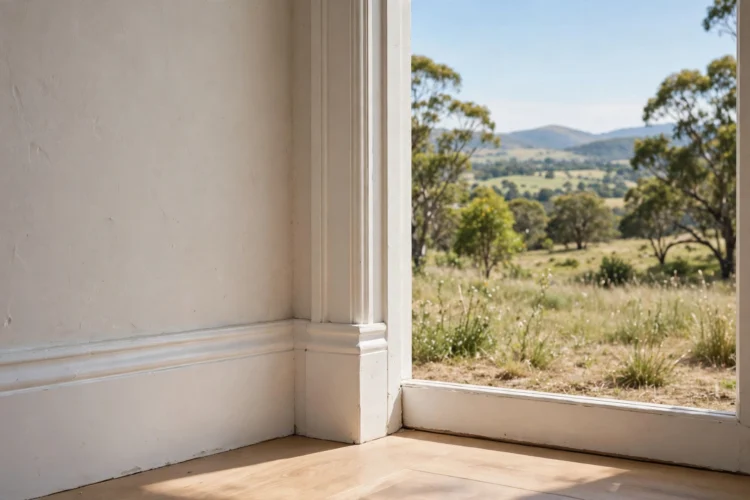
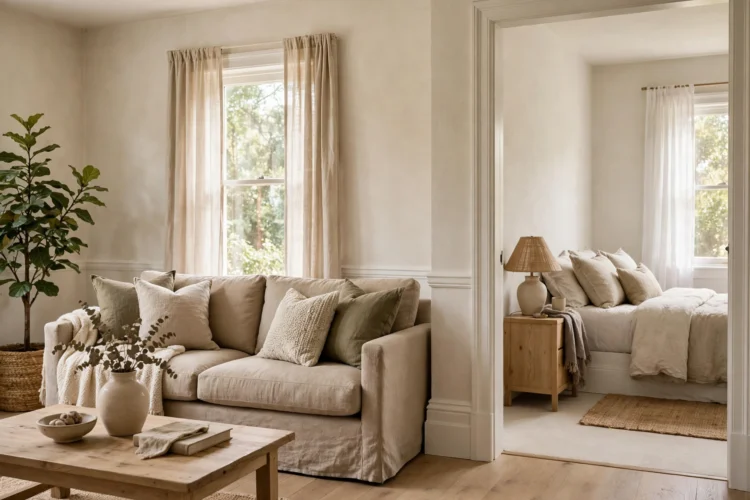
Not every room needs the same baseboard. A formal living room can carry a tall profile, while a bedroom can use a simpler board, and the house still feels coherent as long as the style is consistent. DIY wall molding projects use the same idea: the trim changes with the room, but the language stays the same.
Keep the change at a doorway, where a natural break hides the transition, and never change the baseboard in the middle of a wall. Bedroom wall molding ideas show how a taller baseboard can anchor a bedroom without overwhelming it, and the same logic applies to the rest of the house. The rule is simple: one style per room, and a clear break between rooms.
Baseboards are a small detail, but they are the detail your eye meets every time you walk into a room. Pick the height and the profile that suit your ceilings and your trim, paint them well, and the room will feel finished in a way that is hard to name and easy to see.