Physical Address
304 North Cardinal St.
Dorchester Center, MA 02124
Physical Address
304 North Cardinal St.
Dorchester Center, MA 02124

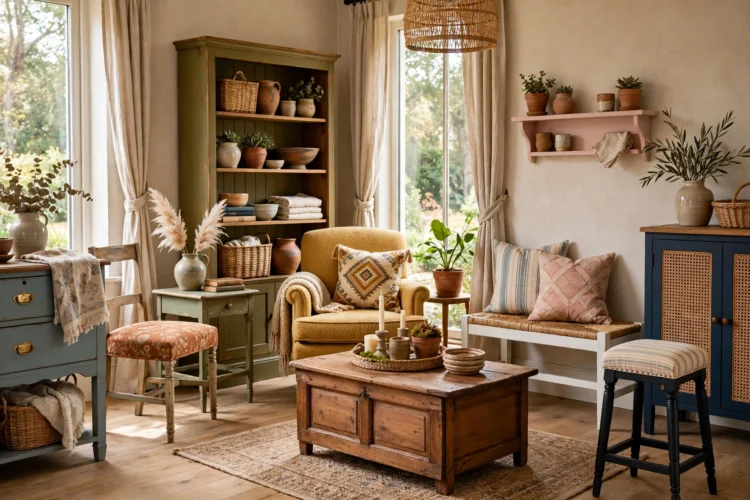
Inherited furniture carries stories a new piece never will. These ten makeovers keep the sentimental details and update the rest so the piece fits the home you live in now.
A hand me down furniture makeover starts with a piece that already means something. Maybe it is your grandmother’s dresser, a dining table from your parents’ first apartment, or a rocking chair that sat in the same corner for thirty years. The wood is solid, the joints still hold, and the shape has already proven it can outlast trends. What it needs is not a rescue, it is a translation into your taste. The ten inherited furniture ideas below keep the details that carry the memory and change the parts that date the piece. None of them asks you to strip away the story. Each one leaves the furniture recognizable to the person who gave it to you, while making it look like it belongs in your home today.
Before you touch a sander, spend ten minutes with the piece and decide what makes it yours. Look for the carved edge your grandfather cut by hand, the drawer that still slides on wooden runners, or the ink stain on the desktop where someone did homework in 1974. Those marks are the reason to keep the piece, and they set the limits of the makeover. A finish can change, hardware can change, but the details that hold the story should stay exactly where they are. Write them down or photograph them, because once the paint comes out it is easy to forget which scratch was a flaw and which one was a memory.
This step also saves you from the most common mistake with inherited pieces, which is sanding away the very thing that made them worth keeping. If the top has a beautiful grain under a dark stain, a light sanding and a clear oil finish will show it off better than paint ever could. If the piece is plain pine with a wobbly leg, paint becomes the right call, since there is no grain worth saving. A sentimental furniture makeover starts with that list, not with a paint color. Let the piece tell you which route to take.
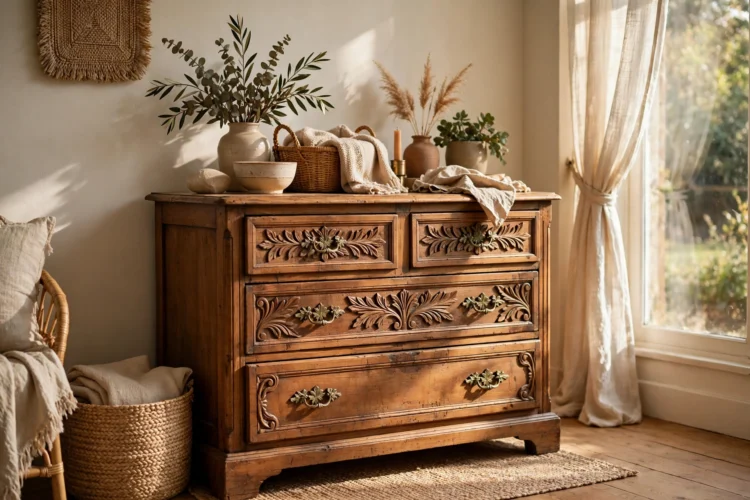
Paint is the fastest way to make an old piece look current, and it is also the easiest way to ruin one. The rule is simple: paint the parts that are plain, and leave the parts that are beautiful. A dresser with flat drawer fronts and a gorgeous oak top takes paint on the body and a clear finish on the top, and the contrast makes both parts look intentional. A chair with turned spindles takes paint well because the shape, not the wood, is the feature. Before you commit, test a small patch on the back or underside to see how the paint grips, and use a primer made for the surface you are covering.
Choose a color that already lives in your room instead of a color you hope to build around. Pull it from the rug, the curtains, or the art above the sofa, and the piece will settle into the room on day one. Soft sage, warm white, and deep navy all work on inherited furniture because they read as classic rather than trendy. Two thin coats beat one thick coat every time, and a light sanding between coats keeps the finish smooth. For a first project updating old furniture, our guide to chalk paint furniture projects for first-timers walks through the prep steps that keep paint from peeling off old varnish.
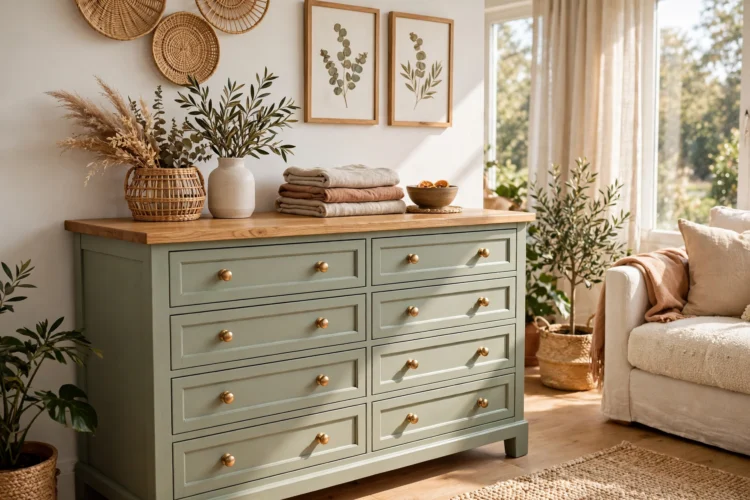
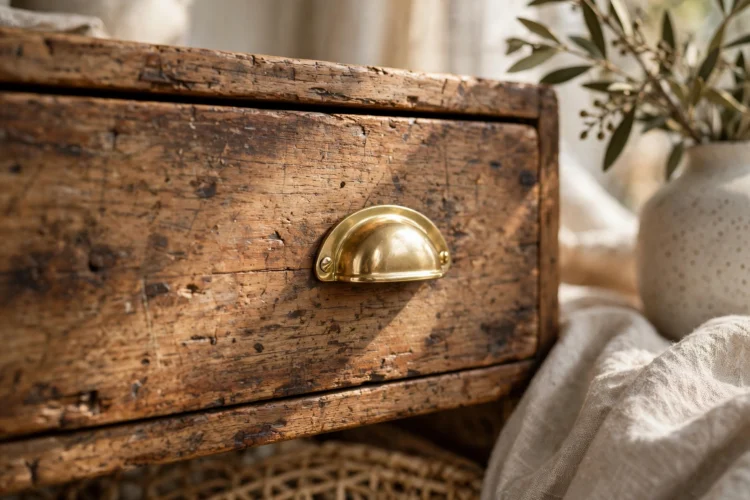
New knobs and pulls change a piece more than most people expect, and the job takes under an hour. Brass cup pulls turn a plain dresser into something that looks like it came from a furniture showroom, while matte black bar pulls give a dated oak cabinet a clean, modern line. Measure the distance between the screw holes before you shop, since older pieces often use spacing that modern hardware does not match. If the holes do not line up, fill the old holes with wood filler, sand them flat, and drill new ones at the standard spacing.
Keep one original pull if the piece has a distinctive one, and use it on the smallest drawer or the inside of a door where it stays visible to you but does not fight the new look. Mixing metals works when you repeat the same finish at least twice in the room, so a brass knob on the dresser pairs well with a brass picture light or lamp base nearby. Hardware is also the cheapest place to experiment. Buy one knob first, hold it against the drawer front in daylight, and live with it for a day before you buy the full set.
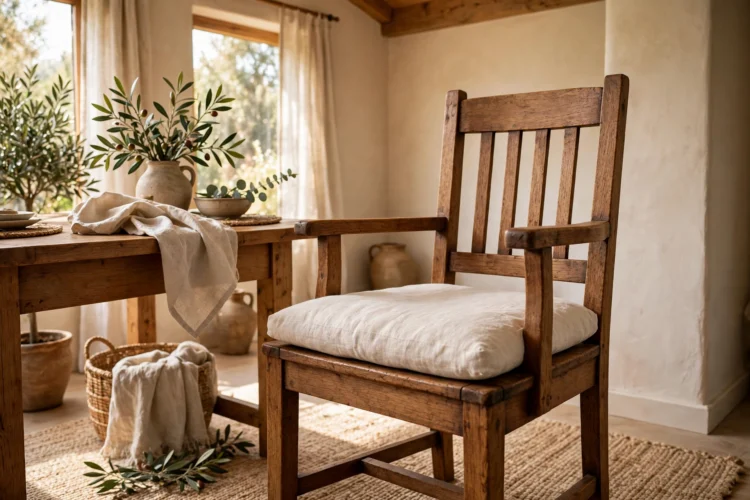
An old chair with a solid hardwood frame and tired fabric is the best deal in secondhand furniture. The frame has already survived decades of use, which is more than most flat-pack chairs can claim, and new fabric costs far less than a new chair of the same quality. Start with a simple dining chair or a stool, where the seat is a flat panel you can remove with a screwdriver. Strip the old fabric, check the foam or horsehair underneath, and replace anything that crumbles when you press it.
Pick a fabric that fits how the chair will actually be used. A dining chair needs something you can wipe, so look for performance fabric or a tight-weave cotton in a mid-tone that hides crumbs. A bedroom accent chair can take a softer velvet or linen because nobody eats on it. Staple the new fabric from the center of each side outward so it stays taut, and fold the corners like wrapping a present. If the chair came from a relative, save a square of the original fabric and tuck it inside the seat or frame it, so the history stays with the piece even after the update.
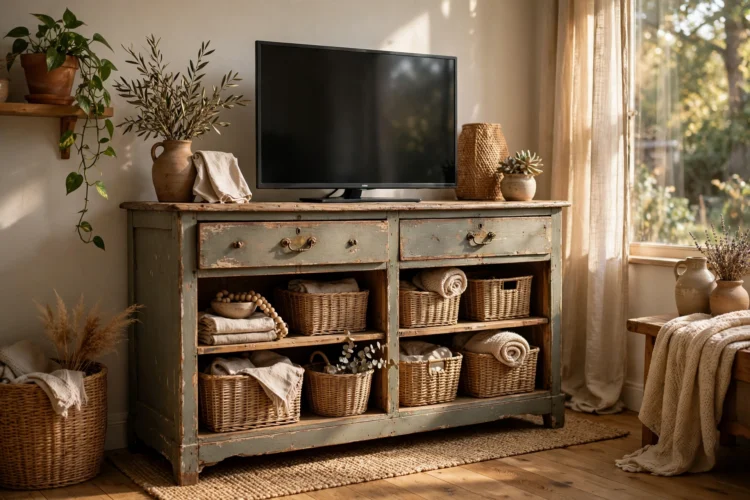
A hand-me-down dresser makeover often starts with a change of job, not a change of color. A dresser with deep drawers becomes a TV stand when you remove the top drawers and fit a shelf for the cable box, and the remaining drawers hide remotes, games, and chargers. A narrow chest becomes a bathroom vanity with a vessel sink on top and the plumbing running through the back of the drawers. A low bookcase laid on its side becomes a bench with storage baskets underneath, perfect for an entryway.
Before you convert a piece, check that the new job fits its bones. A dresser turned TV stand needs to hold the weight of the screen, so test the top with a heavy box first and add a support bracket if it flexes. A vanity conversion needs a water-resistant top, so seal the wood with marine varnish or fit a stone offcut. Our collection of upcycled dresser ideas beyond the bedroom shows how far one chest of drawers can go, from kitchen island to hallway console, and most of the projects use tools you already own.
Inherited furniture rarely arrives in your exact wood tone, and trying to match it exactly is a losing game. The better move is to treat the old wood as an accent instead of a mistake. A dark walnut table looks deliberate next to light oak chairs when you repeat the dark tone once more in the room, perhaps in a picture frame or a lamp base. A honey-toned pine dresser warms up a room full of white and grey, and it needs nothing more than a rug in a similar warm tone to feel planned.
If two wood tones clash, a unifying finish on the smaller piece solves it. Sand a side table back to bare wood and oil it, and suddenly it sits happily next to a walnut dresser because both show real grain instead of competing stains. The goal is a room that looks collected over time, which is exactly what a home with inherited furniture should look like.
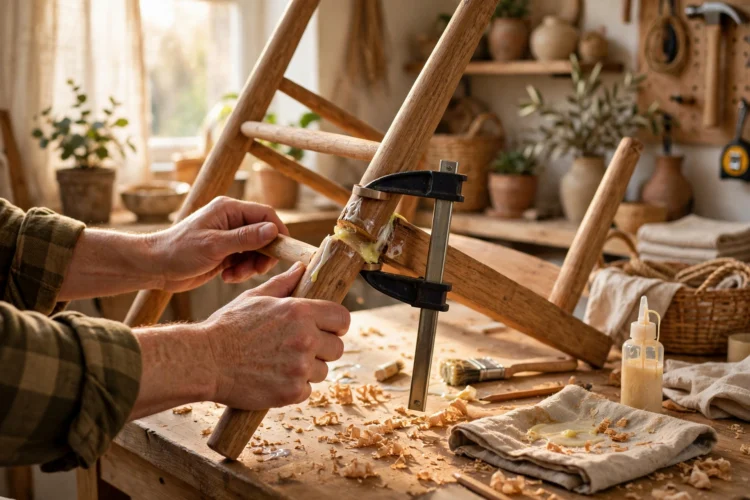
A makeover that skips the repair stage is paint on a problem. Check every joint before you start, and fix the wobble first, because no finish survives a chair that rocks. Most old joints are held with hide glue that dries out over decades, so a loose leg often needs nothing more than a tap apart, a clean scrape of the old glue, and fresh wood glue clamped overnight. Tighten screws, replace missing dowels, and add a corner brace inside a drawer that sags.
Test drawers and doors after the glue dries, and wax the runners with a plain candle so they slide without sticking. If a drawer bottom has split, a thin sheet of plywood cut to size and glued in place fixes it in minutes. These repairs take an evening and cost almost nothing, yet they decide whether the piece gets used daily or pushed into a spare room. Weekend-sized projects like these are covered in our roundup of weekend furniture makeover projects under two days, which is a good place to start if the piece needs both repairs and a new finish.
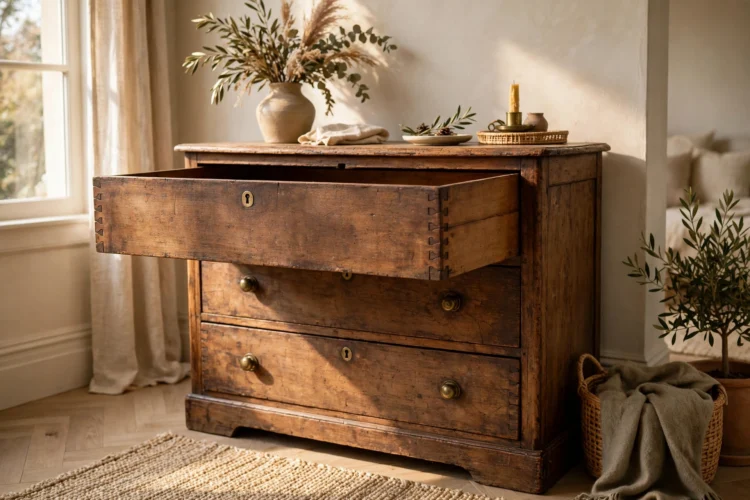
Every inherited piece has one detail worth showing off, and the makeover works best when that detail gets the spotlight. It might be a set of dovetail joints, a hand-painted drawer interior, a brass keyhole escutcheon, or a carved apron under the tabletop. Leave that detail untouched, or clean it gently, and design the rest of the update around it.
This is also the detail to mention when someone asks where the piece came from, because it turns a furniture story into a family story. Photograph the piece before and after, and keep the photos with the family records, so the next person who inherits it knows what changed and why. For more inspiration from readers who kept the story intact, browse our reader before-and-after furniture makeovers, where the best projects are the ones that still look like the piece your grandmother would recognize. If you are hunting for more pieces with good bones, our list of thrift store furniture flips worth the effort shows what to look for before you buy.
Start with one piece and one change, and let the result teach you what the next piece needs. The best hand me down furniture makeover is the one that still feels like family when you walk past it every morning.