Physical Address
304 North Cardinal St.
Dorchester Center, MA 02124
Physical Address
304 North Cardinal St.
Dorchester Center, MA 02124

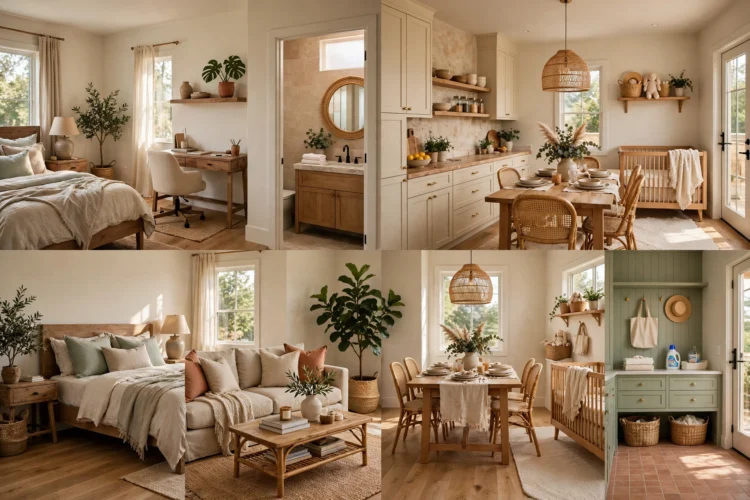
Eight real rooms transformed in a single weekend, from a green living room wall to a peel-and-stick kitchen backsplash, each with a Friday shopping list and a Sunday styling finish.
A one weekend room makeover sounds like a promise a TV show makes and a real house breaks. The eight rooms below prove otherwise. Each one changed in two days, from Friday evening to Sunday night, with a shopping list written before the first can of paint opened and the styling saved for the last hour. No contractors, no waiting on deliveries, and no half-finished walls on Monday morning.
The trick is scope. Every room here picked one big move, two supporting moves, and nothing else. Paint counts as one move. Moving the furniture counts as another. The owners shopped Friday, worked Saturday, and styled Sunday, which kept the project inside the weekend instead of bleeding into the next one. Here is how each room did it, and what you can copy.
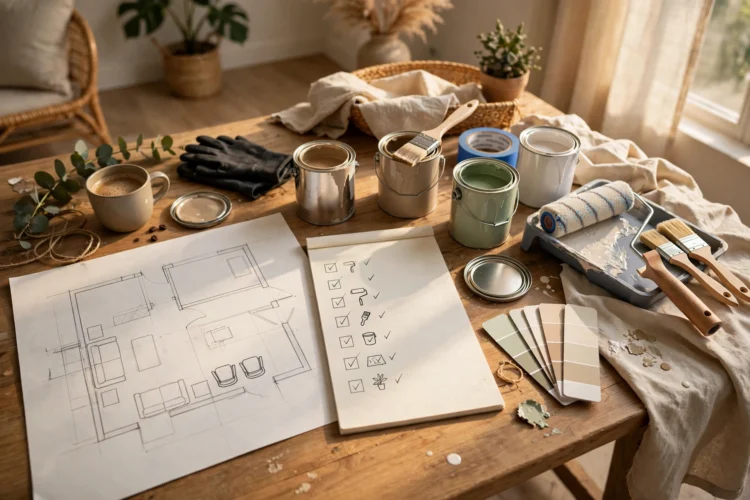
Every room on this list started the same way: a Friday night list with three columns. Column one held the big move, column two held the supporting moves, and column three held the things that could wait. The owners bought everything Friday so Saturday started with work, not with a hardware store run. One reader taped her list to the fridge and crossed items off as they went into the cart, which sounds fussy until you count the trips it saved. A weekend room transformation lives or dies on that list. Think of it as a Friday shopping list room kit: every item for the weekend in one trip, so Saturday starts with a brush in hand instead of a cart in a store aisle.
Saturday belonged to the messy work. Paint, drilling, and moving heavy furniture all happened before lunch, while energy was high and daylight was free. Sunday belonged to the clean work: hanging art, placing lamps, and putting books back on shelves. Good Sunday styling ideas are simple: hang art at eye level, place one lamp in each dark corner, and leave one surface empty. If Saturday ran long, the owners cut a supporting move instead of pushing into Monday. That rule is what separates a finished room from a project that lives half done for a month. A two day room refresh only works when the plan has room to shrink.
A reader named Maya had lived with the same living room for four years. The sofa faced the TV, the TV faced a blank wall, and a rug floated in the middle of the floor touching nothing. On Saturday morning she painted the wall behind the sofa a deep green, then turned the sofa to face the window instead of the screen. The room suddenly had a view worth sitting in, and the TV moved to a smaller wall where it stopped running the whole layout.
The supporting moves were small. She swapped the rug for one large enough to sit under the front legs of the sofa and the armchair, and she moved a floor lamp from the bedroom into the dark corner by the reading chair. Total new purchases were paint, a rug, and two cushion covers. The green wall did the heavy lifting, and the layout did the rest. For a similar quick win, these weekend room refreshes you can do solo show how much changes when the furniture moves first and the shopping comes second.

Tom and Priya wanted their bedroom to feel finished, but they had one weekend and a tight budget. They picked the wall behind the bed and painted it a warm terracotta, then hung a single large framed print above the headboard instead of the cluster of small frames that had lived there for years. The terracotta made the white bedding look intentional rather than default, and the room finally had a focal point.
Sunday was for texture. They added a folded throw at the foot of the bed, swapped the bedside lamps for a matched pair from a thrift store, and cleared the top of the dresser down to three objects. Nothing in the room cost much, and nothing took more than an hour. The lesson is simple: one strong wall beats four half-decorated ones. If you want more paint-led ideas, these small-budget home facelifts room by room use the same one-wall trick in kitchens, halls, and bedrooms.

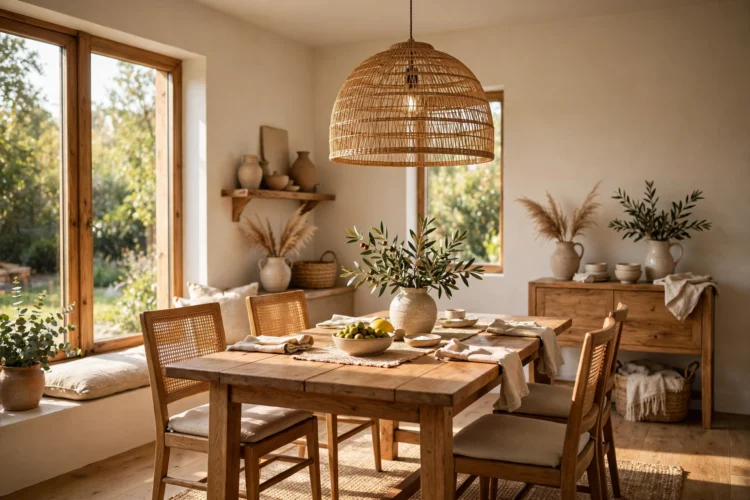
The dining room in this makeover had become a dumping ground: mail on the table, a drying rack in the corner, and a light fixture the owners had hated since move-in day. Saturday started with clearing everything out, which took an hour and changed the room more than any purchase. Then they installed a large pendant light over the table, centered it properly, and put it on a dimmer.
With the light in place, the rest fell into line. A linen table runner replaced the plastic placemats, the sideboard got a row of glasses instead of a pile of chargers, and the drying rack moved to the laundry room where it belonged. The owners said the dimmer mattered most. At full brightness the room works for homework; dimmed low, it works for dinner. One fixture, one clearing session, one weekend.
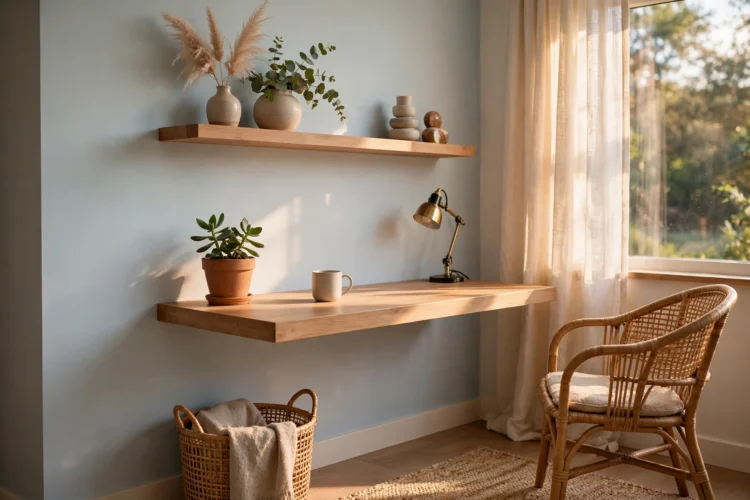
Working from the kitchen table had stopped working, so one reader claimed the dead corner of the guest room. Saturday she painted the corner wall a pale blue, mounted a floating desk, and added a shelf above it for books and a plant. The desk cost less than a month of coffee shop visits, and the shelf kept the work surface clear, which is the whole point of a desk that has no drawers.
Sunday she added the details that make a corner feel like an office: a task lamp, a cork board for notes, and a small rug that marks the boundary between work and the rest of the room. The guest bed stayed, so the room still sleeps visitors. The trick was treating the corner as a room of its own, with its own color and its own light. A spare corner needs a boundary, and paint plus a rug draws one fast.
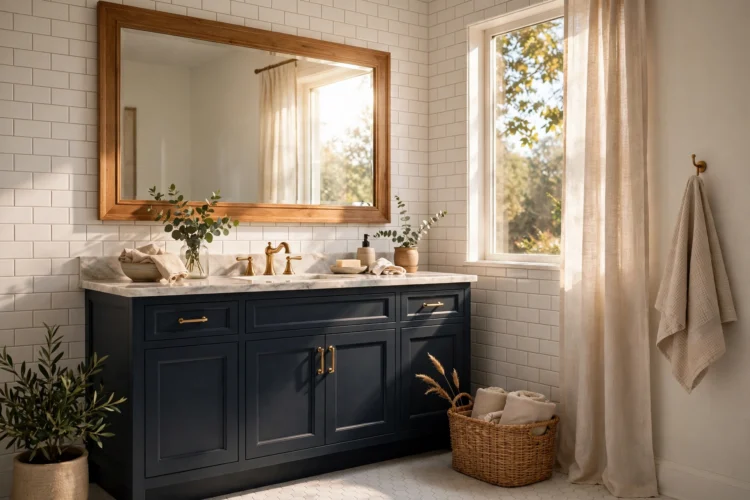
Bathrooms scare weekend renovators because water is involved, but this makeover touched no plumbing at all. The owners replaced the cabinet knobs and the faucet handles, swapped a builder-grade mirror for a larger framed one, and re-caulked the tub. The new mirror doubled the light in the room, and the fresh caulk made the whole tub look new even though nothing else changed.
They also painted the vanity a dark navy and added a small wooden stool for towels. The navy vanity against white tile gave the room the contrast it had lacked, and the stool cost less than a takeaway dinner. Total time was about six hours spread across Saturday, with Sunday left for hanging a new shower curtain and a bit of art. If a full bathroom redo feels out of reach, start with the mirror and the hardware. The eye reads those first.
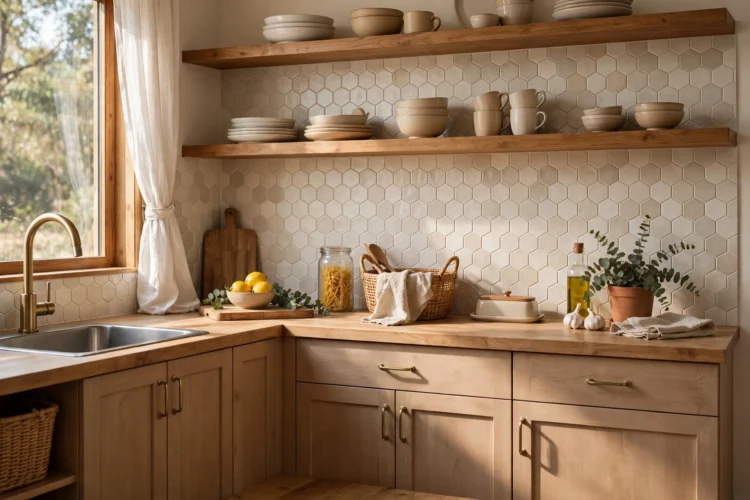
This kitchen had good bones and tired surfaces. The owners spent Saturday applying peel-and-stick tile to the backsplash, working in short rows and pressing each piece firmly before moving on. They removed two upper cabinet doors and painted the inside of those cabinets the same white as the walls, which turned closed storage into open display overnight.
Sunday they styled the open shelves with the everyday dishes they actually use, plus a row of jars and one plant. The rule they set was simple: if it lives on the shelf, it gets used weekly, or it goes back in a closed cabinet. The kitchen looks bigger now because the eye travels past the shelves to the wall, and the white-on-white palette bounces light around a room that used to feel dark. For more projects in this spirit, these one-day DIY projects for instant home upgrades cover the same kind of Saturday-sized job.
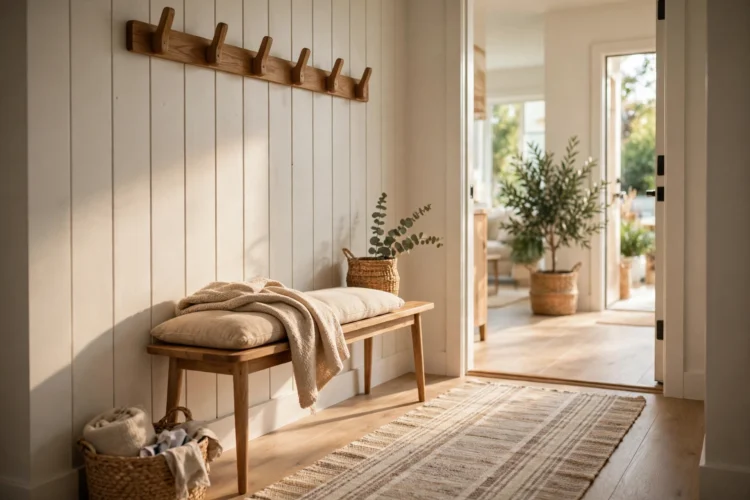
The entryway was a pile of shoes by the door and coats on the stair rail. On Saturday the owners mounted a row of wooden hooks at two heights, one for adults and one for kids, and set a narrow bench underneath. The bench holds shoes, the hooks hold coats, and the floor is finally visible. A runner rug in a washable weave finished the zone and hides the dirt that a front door always tracks in.
Sunday they hung a mirror above the bench and added a small tray for keys and sunglasses. The whole project took about four hours, and the owners say the mirror matters more than it looks: it bounces light into a hallway that has no window, and it gives everyone a last check before leaving. An entryway is a small room with a big job, and this one now does it.
None of these rooms needed a contractor, a loan, or a second weekend. They needed a list written Friday, messy work on Saturday, and clean styling on Sunday. Pick one room, pick one big move, and give it two days. If your furniture needs a fresh coat before it goes back in place, these weekend furniture makeover projects under two days pair well with any room on this list. Monday morning will look different.