Physical Address
304 North Cardinal St.
Dorchester Center, MA 02124
Physical Address
304 North Cardinal St.
Dorchester Center, MA 02124

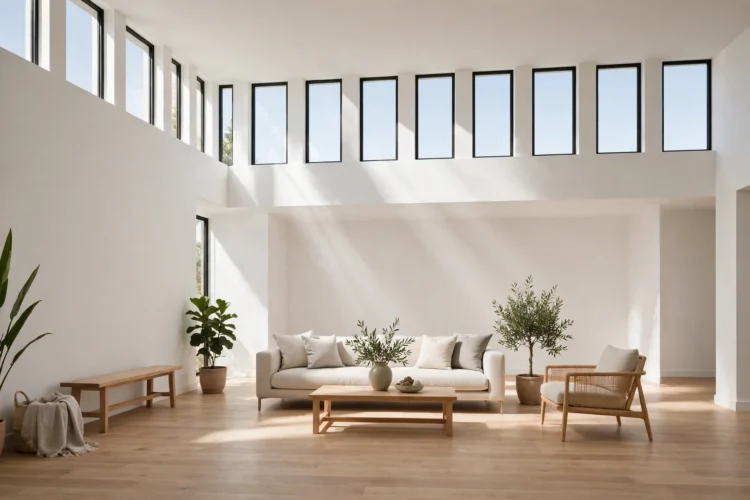
Clerestory windows sit high on the wall, so they pull daylight deep into a room without giving up privacy or wall space. These 12 placements work in kitchens, living rooms, bedrooms, and hallways.
Clerestory window ideas solve a problem most homeowners know well: rooms that feel dark even at midday. A clerestory window sits high on the wall, above eye level and above the furniture line, so it pulls daylight deep into the floor plan without giving up privacy or wall space. The trick works in kitchens, living rooms, bedrooms, and even hallways, and it suits everything from modern boxes to older homes with low ceilings. The twelve ideas below cover the placements that work best, the glass and frame choices that matter, and the small details that keep the light soft instead of harsh. Pick the one that fits your room and you will see the difference the same afternoon.
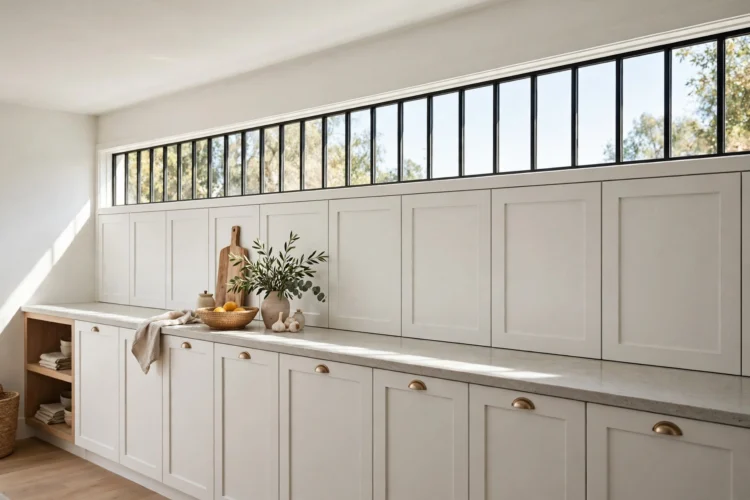
The most useful place for high windows for natural light is the kitchen, where the wall above the cabinets usually goes to waste. A continuous band of glass there washes the ceiling with daylight and bounces it down onto the worktops, so the room feels bright even on grey mornings. Keep the band shallow, about 30 to 45 centimeters tall, and run it the full length of the cabinet wall for the cleanest look. Slim black or white frames disappear against the wall, while timber frames warm up a plain white kitchen. Because the glass sits above the cabinets, nobody sees in from outside, and you keep every centimeter of splashback and shelf space. If the kitchen faces a neighbor, this placement gives you daylight without a single curtain.
Pair the band with pale worktops and a light ceiling paint and the effect doubles, since both surfaces bounce the light further into the room. If you cook a lot, choose glass that is easy to wipe from a step ladder, and keep the frames simple so grease has nowhere to hide. This is one of the cheapest clerestory window ideas to add during a kitchen refit, because the wall above the cabinets is rarely load bearing and the opening is small.
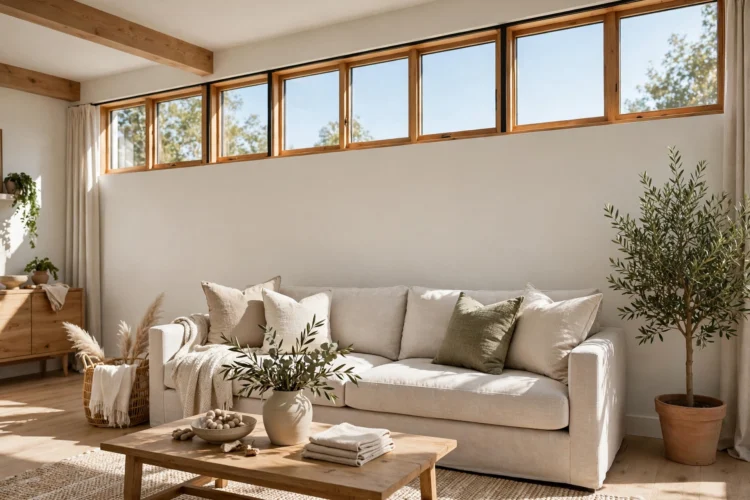
A clerestory windows living room setup works best on the wall where the sofa sits, because that is the wall that usually stays blank or holds one large picture. A row of high windows there lifts the whole room, and the light lands on the ceiling first, which makes the space feel taller than it is. The trick suits rooms with low ceilings especially well, since the eye reads the bright band as extra height. Try three or four equal panes with slim mullions, aligned with the sofa below, so the composition feels deliberate rather than random. If the room has a fireplace on the opposite wall, the high glass balances it and stops the fire wall from dominating the space.
For evenings, add a simple lighting plan that matches the daylight pattern, such as picture lights or a row of small wall washers below the windows. The idea is to keep the same warm glow on the ceiling after dark that the sun gives during the day. For more on layering light in a living room, see these living room lighting layers from floor to ceiling, which pair well with high glass.
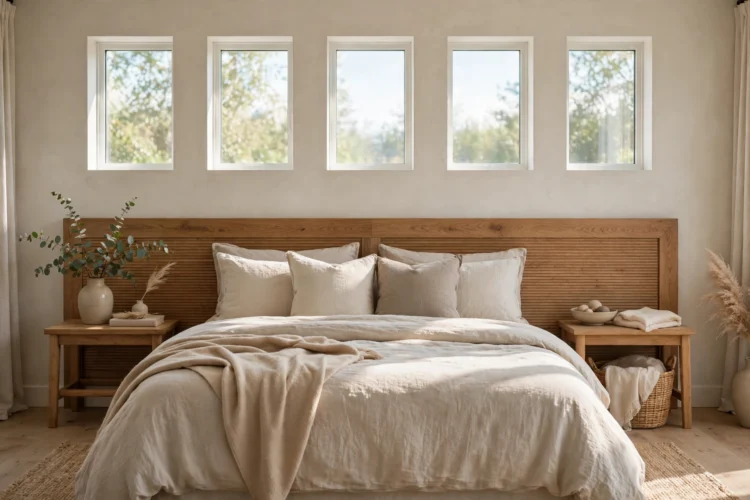
Clerestory windows for bedrooms change how the room wakes you up. A row of glass above the headboard wall lets in gentle morning light without the glare of a standard window, and it keeps the wall behind the bed free for a headboard, art, or a shelf. East facing glass gives the softest wake up light, while north facing glass stays even and calm all day, which suits a room used for reading or naps. Keep the panes above head height so you never feel watched, and choose a frame color that matches the bed or the trim for a finished look.
If the bedroom sits under a low roof, a clerestory band can run along the slope where a normal window would never fit. Blackout blinds are worth adding here, since morning light is a pleasure only when you can switch it off on a weekend. A simple roller blind mounted inside the frame works well and stays out of sight when it is rolled up.
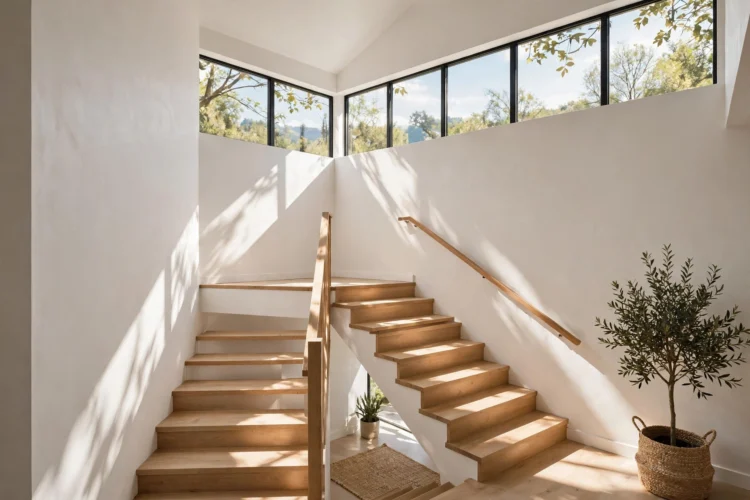
Stairwells are the darkest corners of most houses, and a clerestory band near the top of the stair wall fixes that in one move. Light enters high, falls down the stairwell, and reaches the landing and the hall below, so the whole circulation space feels open. This placement also helps at night, because a single wall light on the stair bounces off the same pale surfaces the daylight uses. If the stairwell has a window at the landing already, add the high band on the opposite wall so the two sources cross and soften each other.
Keep the glass clear rather than frosted in a stairwell, since there is no privacy issue and clear glass passes the most light. For homes with a skylight over the stairs, high side glass adds a second layer of light that reaches the lower steps, and the two together remove the gloomy middle landing that so many houses suffer from. If your home already has a skylight, these bathroom skylight ideas for natural light and privacy show how the same thinking applies room by room.
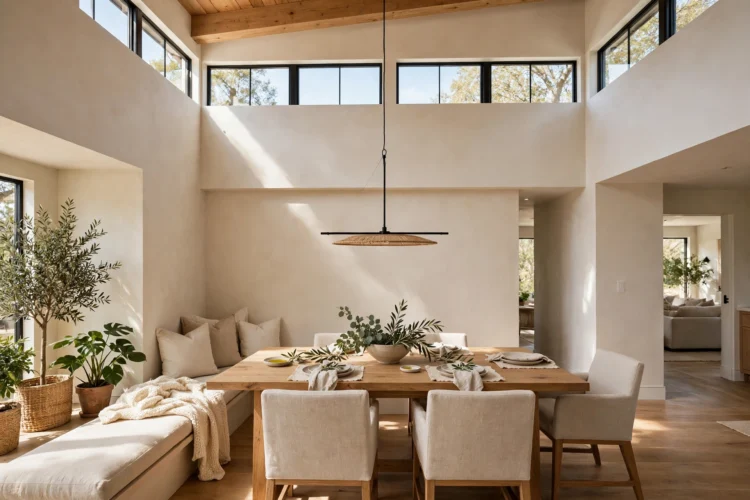
A double height dining room is the natural home for a tall clerestory band, because the upper wall would otherwise sit empty and shadowed. Glass set just below the ceiling line pulls light across the full height of the room and down onto the table, so evening meals feel warm instead of cave like. The band also gives the room a sense of scale that a single pendant light can never match. Try a row of square panes with equal spacing, or one long horizontal ribbon if the architecture is more modern.
The glass itself needs little care beyond an occasional wipe, but plan access before you build, since a tall band is hard to reach without a long ladder. A simple pole operated opener solves ventilation too, and it lets warm air escape in summer without opening the front door. For more ways to bring light into dark interiors, these skylight alternatives for dark interiors cover options that work alongside high glass.
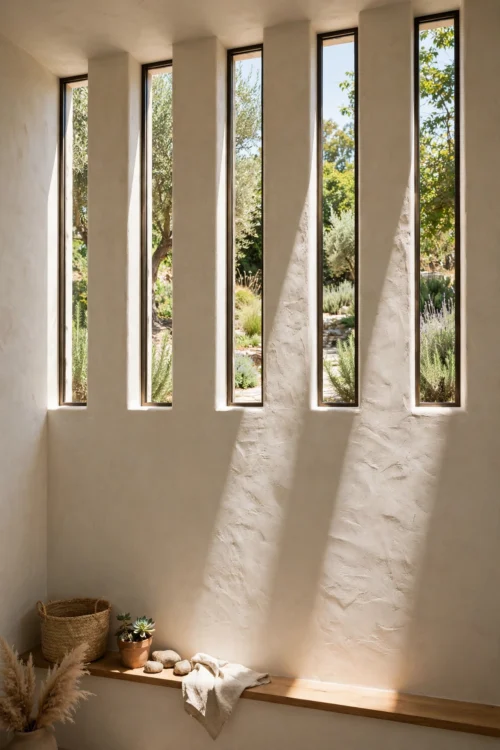
Not every clerestory needs to be a wide band. Narrow vertical slots, set in a row along the upper wall, frame slices of the view outside and turn it into a kind of artwork. This modern clerestory window design suits homes with a garden, a tree line, or a distant hill, because each slot crops the view into a clean rectangle. Space the slots evenly and keep them the same width, about 25 to 35 centimeters, so the rhythm reads clearly from across the room. The light they admit is softer and more directional than a wide band, which suits reading corners and home offices.
Slot windows also work well on walls that face a street, because they admit light while revealing almost nothing of the room inside. Use them in a bathroom or a hallway where a wide band would feel exposed, and pair them with a pale wall paint so the light patches glow against the surface. The result is a wall that changes through the day, which is more interesting than a plain painted surface.
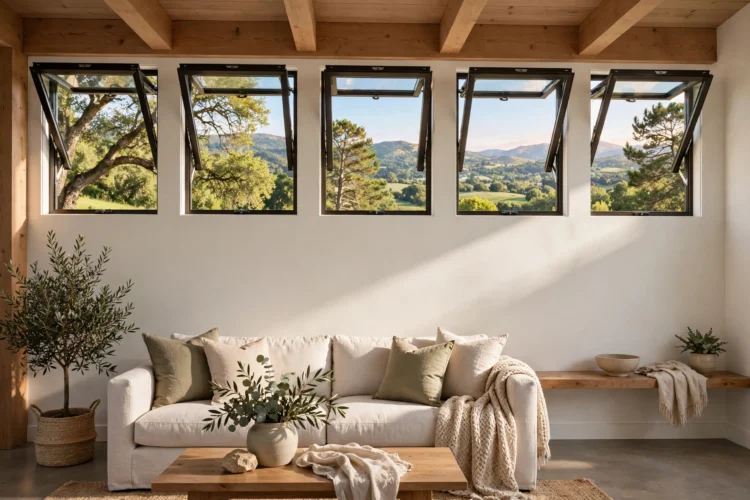
Fixed glass gives light, but operable clerestory windows give light and air, which matters in warm rooms and in kitchens where cooking steam builds up. A top hinged pane that opens outward lets hot air escape at the highest point of the room, which is exactly where it gathers. This stack effect cools the room without a fan and works even on still days, since warm air rises on its own. Add a simple crank or a pole opener so the window is easy to reach, and fit insect screens if the room faces a garden.
Operable panes need a little more care than fixed glass, so check the hinges and seals once a year and keep the track clear of dust. In a bathroom, an operable clerestory clears steam fast and keeps mirrors from fogging, which is a practical win on top of the daylight. If the room already has good lower windows, use the clerestory for ventilation only and keep it small, since even a modest opening moves a surprising amount of air.
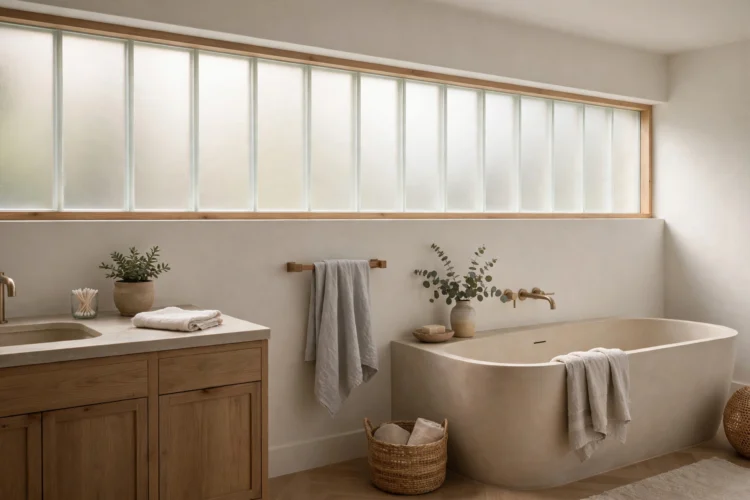
Frosted clerestory glass is the answer when the high wall faces a neighbor, a street, or another house. The glass still passes most of the daylight, but it blurs the view completely, so the room stays bright and private at once. This works especially well in bathrooms, where the band can sit above the mirror or the shower without anyone worrying about being seen. Choose a fine frost rather than a heavy pattern, since fine frost spreads the light more evenly and looks cleaner against white tile.
Frosted glass also suits a home office that faces a busy road, because it cuts visual distraction while keeping the desk lit. If you want the option of a clear view, use a switchable film that turns from frosted to clear with a button, though plain frost costs far less and never needs power. Keep the frames slim and pale so the frosted band reads as a light source rather than a wall feature. When you are choosing treatments for other awkward windows in the house, these window treatment ideas for tricky windows cover the same privacy problem at lower heights.
Start with the room you use most and the wall that wastes the most space. A single band of high glass can change how that room feels from the first morning, and it asks for almost nothing in return: no curtains, no floor space, and no privacy lost. Measure the wall, check the direction it faces, and pick the glass finish that fits the room. The rest is framing and paint, and the light does the work from there.