Physical Address
304 North Cardinal St.
Dorchester Center, MA 02124
Physical Address
304 North Cardinal St.
Dorchester Center, MA 02124

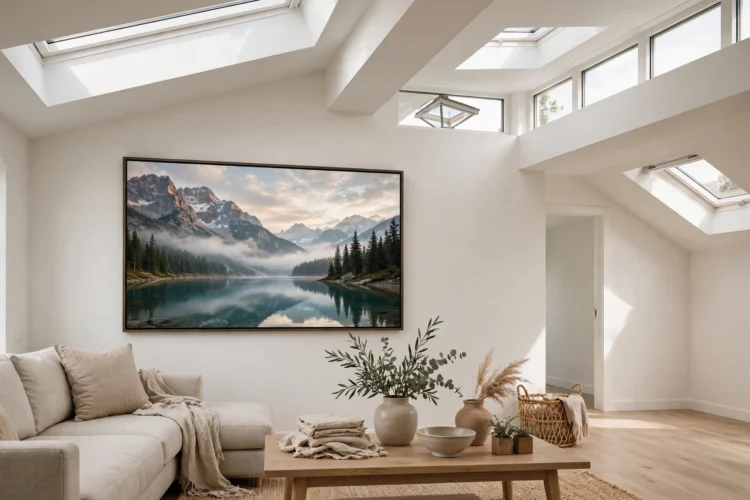
A skylight is not the only way to brighten a room that never sees direct sun. These nine alternatives pipe, bounce, and borrow daylight into the darkest corners of the house.
A north-facing bedroom, a windowless bathroom, or a hallway buried in the middle of a floor plan can stay dim all day, even at noon. Cutting a skylight into the roof fixes the problem, but it is not the only fix, and for many homes it is not the best one. These skylight alternatives bring daylight into rooms that never see direct sun, and most of them cost less and disrupt less than a roof window. Some pipe sunlight down from the roof through a reflective tube. Others bounce the light you already have further into the room. A few need no new opening at all. Pick the idea that fits your room, your roof, and your budget, then start with the darkest spot in the house.
A rigid sun tunnel is a straight tube with a mirrored inner surface that carries sunlight from a small dome on the roof to a diffuser on the ceiling below. It does the job of a skylight without the large roof opening, the framing work, or the leak risk that comes with a big pane of glass. Most kits come in two sizes. A 10-inch tube suits a hallway, a walk-in closet, or a small bathroom. A 14-inch tube covers a larger bedroom or kitchen and throws noticeably more light. Rigid tubes work best when the run from roof to ceiling is straight, with no joists or ducts in the way. If the path is clear, a roofer can often fit one in a few hours. The diffuser looks like a plain ceiling light, so the room reads as bright without any hint of how the light got there. If the room in question is a bathroom, these bathroom skylight ideas show how to pair the tube with privacy glass and pale tile so the extra daylight feels intentional.
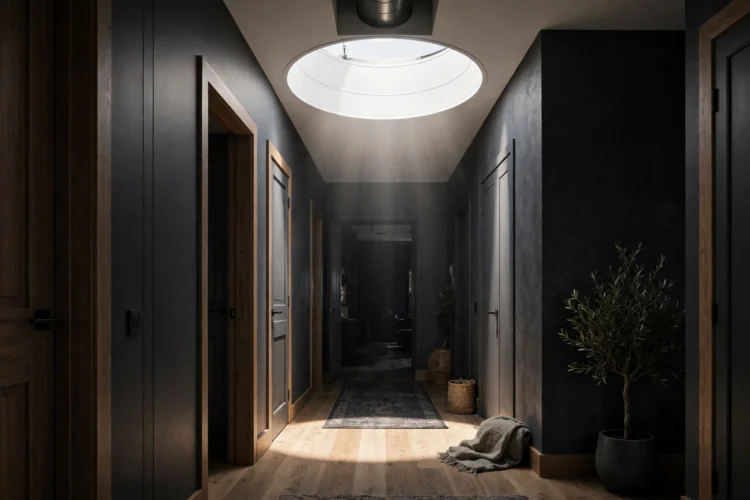
When the attic is crowded with joists, ducts, and wiring, a rigid tube cannot make the trip. A flexible sun tunnel uses a bendable tube with the same reflective lining, so it snakes around obstacles and still delivers daylight to the room below. It loses a little light on every bend, so keep the route as short and as straight as you can. Two gentle curves beat four sharp ones. Flexible kits suit retrofit jobs in older homes, where the roof structure was never planned around a light tube. They also work well for closets and pantries tucked under a low roof, where a straight shot from roof to ceiling does not exist. Expect a softer, more diffused glow than a rigid tube gives. In a hallway or a laundry room, that softer light is often exactly right.

A bare solar tube floods a room with light whenever the sun is up, which is fine at noon and less fine in a bedroom at dawn. A dimmer kit adds a small flap inside the tube that you open and close from below, so you control how much daylight comes through. Some kits add a night light that sits inside the diffuser and switches on after dark, so the fitting works as a normal ceiling light at night. Venting kits exist too, for bathrooms that need air as well as light. These extras cost little next to the tube itself, and they turn a one-note fitting into something you can live with every day. If you plan a tube for a bedroom, order the dimmer with the kit rather than adding it later.
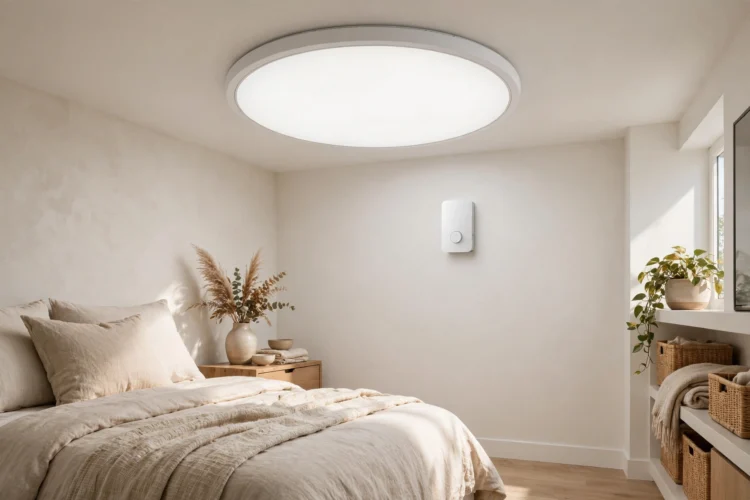
A light shelf is a flat, pale shelf fixed to the wall just above a window, on the inside of the room. Daylight hits the top of the shelf and bounces up onto the ceiling, which spreads the light deeper into the room than the window alone can. The shelf also shades the lower part of the window, so glare drops while the back of the room gets brighter. Paint the top surface white or line it with a reflective finish, and keep it clear of books and plants. The trick works best with a tall window and a light-colored ceiling. It costs little more than a board, two brackets, and a coat of paint. For a living room that feels bright near the window and dim at the far end, a shelf closes that gap. These living room lighting layers pair well with a shelf, since the shelf handles the daytime and lamps take over after dark.
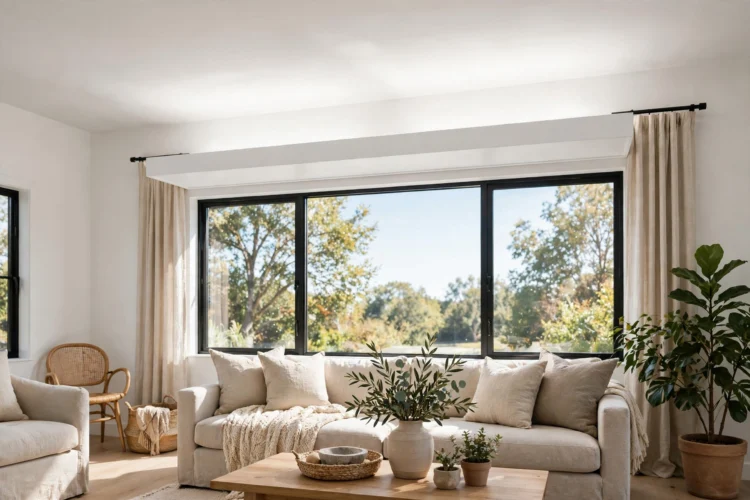
Paint is the cheapest of all skylight alternatives, and in a dark room it does more than most people expect. A ceiling painted in a flat, high-reflectance white bounces the light from lamps and windows back into the room instead of soaking it up. Matte finishes scatter light softly, so the ceiling looks bright rather than shiny. Carry the same pale tone onto the upper walls and the room gains light from every direction. Avoid dark or saturated colors on the ceiling, since they swallow the little light the room gets. A ceiling in a warm white reads as brighter than a ceiling in a cool gray, even when the measured light is the same. If the ceiling itself needs a refresh first, these ceiling makeover ideas cover the prep work before the paint goes on. A coat of reflective paint will not add a window, but it makes the light you already have work harder.
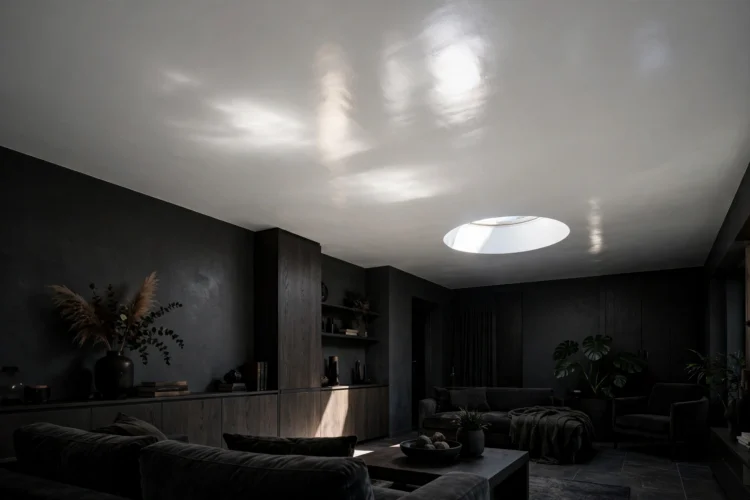
A large mirror hung opposite a window acts like a second window. It catches the brightest patch of daylight in the room and throws it back across the space, so the far wall feels closer to the light source. Size matters more than frame style. A mirror that covers most of the wall beats a small decorative one, and a plain edge suits a modern room while a slim wood frame suits a traditional one. Hang the center at eye level for a standing adult, and tilt the top a fraction forward if the reflection shows the ceiling instead of the window. Keep the glass clean, since a dusty mirror scatters light instead of reflecting it. Never hang a mirror where it reflects clutter, since it doubles whatever it faces.
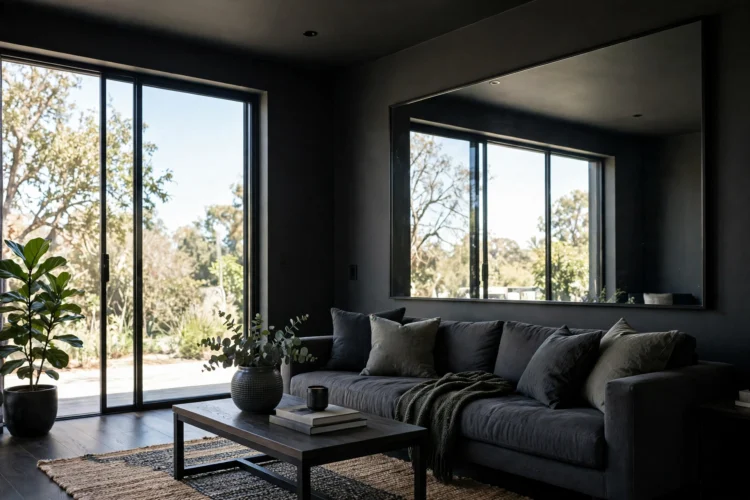
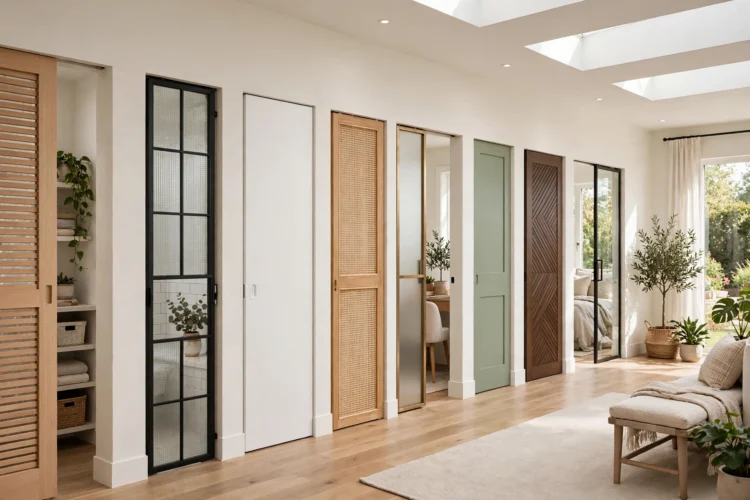
Rooms that sit behind a closed door stay dark because the door blocks the light from the hallway or the room next door. Swap a solid door for one with a glass panel and the light flows through, even when the door is shut. Frosted or reeded glass keeps privacy in a bedroom or bathroom while still passing light. A transom window above the door does the same job without changing the door at all. The opening sits high on the wall, so it borrows light from the room beyond while nobody can see through it at eye level. Both fixes work best when the room on the other side has a window of its own. In a small flat, a single glass door can change how the whole hallway feels.
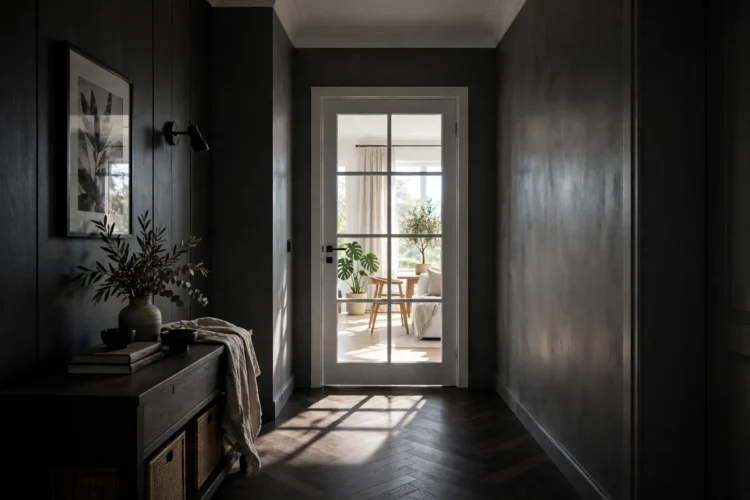
When the room next door gets the sun and yours does not, cut a high interior window into the shared wall. A clerestory opening near the ceiling lets daylight spill over while keeping both rooms private, since the glass sits above eye level. Glass blocks give the same result with more privacy and no need for a frame. Fixed panes cost less than opening windows, and they suit the job because the opening is there for light, not for air. Check the wall first. A load-bearing wall needs a proper header, so get a carpenter to confirm the structure before you cut. In a rental, a freestanding glass partition can borrow light without touching the wall at all.
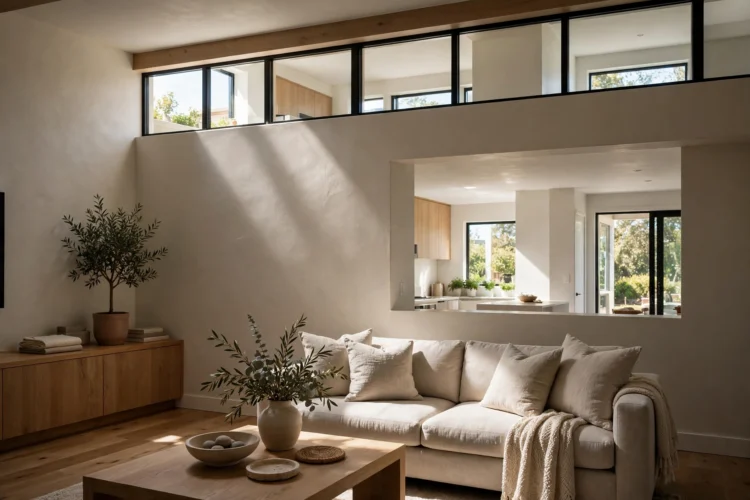
Some rooms have no window, no roof above, and no bright neighbor to borrow from. A ceiling-mounted LED panel that mimics daylight is the honest answer for those rooms. Pick a panel with a high color rendering index and a color temperature near 5000K, which reads as daylight rather than office light. Mount it flat on the ceiling where a skylight would sit, and dim it through the evening so the room follows the sun. A backlit panel with a soft diffuser looks like a glowing patch of sky, while a bare bulb never will. Pair the panel with pale walls and the effect holds up even in a windowless bathroom. These kitchen lighting ideas show how layered ceiling light can stand in for daylight in the rooms that need it most. A tubular skylight still beats a panel on a sunny day, but the panel works in every room, on every floor.
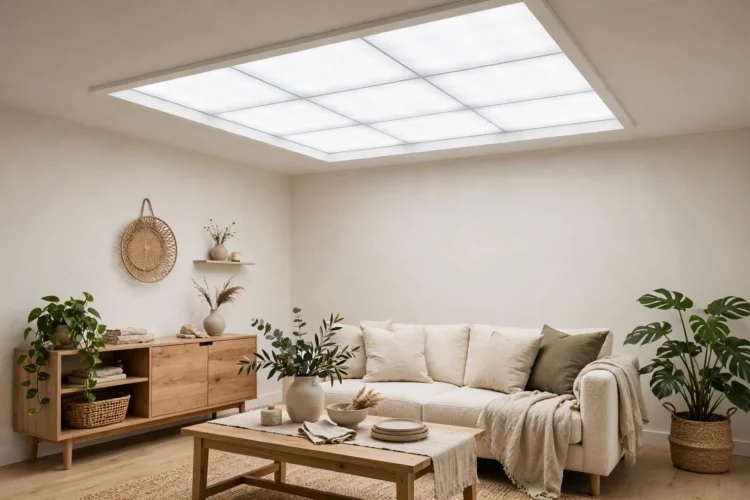
Start with the room you use most, and pick the fix that matches how the house is built. A sun tunnel suits a top-floor room with roof access. Paint, mirrors, and glass doors suit every other room in the house. Get one room right and the rest of the house feels brighter too.