Physical Address
304 North Cardinal St.
Dorchester Center, MA 02124
Physical Address
304 North Cardinal St.
Dorchester Center, MA 02124


Thirteen small textile and tablescape swaps per season that change the mood of your home without touching the furniture, plus a simple box system so nothing gets lost.
You do not need new furniture to make your home feel new. Seasonal decor swaps do the job with textiles, tabletops, and small details you already own. Swap a few pillows, change the table runner, rotate the art, and the whole room shifts with the season. The furniture stays. The mood changes. These seasonal home decor ideas refresh home without redecorating, and most of them take less than an hour.
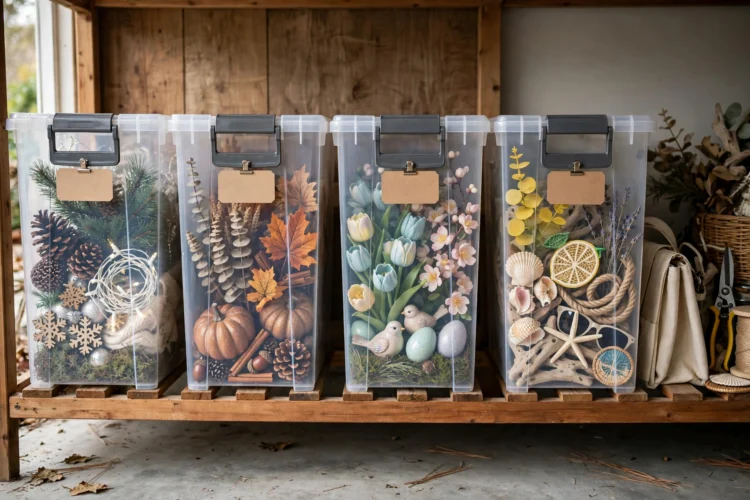
The system is simple. Keep one labeled box per season in a closet or under the bed. When a season ends, pack its textiles and small decor into the box and pull out the next one. Nothing gets lost, nothing gets bought twice, and the swap becomes a short ritual instead of a shopping trip.
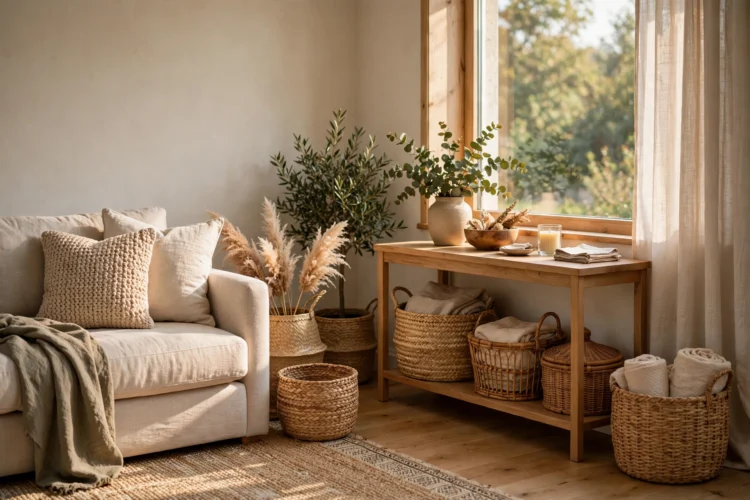
Pillows are the fastest seasonal decor swap in the house. Two new covers change the color story of a whole sofa. In spring, choose linen in soft green or pale yellow. In summer, go lighter still with white or sky blue. Autumn calls for rust, mustard, and deep olive. Winter wants velvet, wool, and dark jewel tones. Buy covers, not whole pillows, and store the inserts inside the sofa or a closet.
Mix one pattern with two solids so the sofa looks styled, not busy. A small lumbar pillow in a seasonal color ties the group together. If your sofa already has a strong color, pick pillow covers that pull one tone out of the rug or the art. These throw pillow combinations show how three pillows can pull a whole room together without buying anything new.

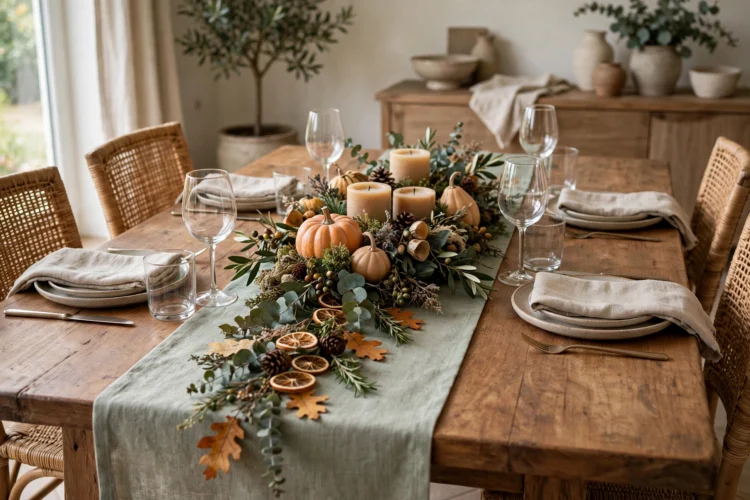
The dining table is the second-fastest swap. A runner in a seasonal color plus a simple centerpiece resets the room in ten minutes. Spring gets a vase of fresh branches. Summer gets a bowl of lemons or a linen runner in white. Autumn gets a wooden tray with pumpkins and dried leaves. Winter gets evergreen sprigs and a few candles.
Keep the centerpiece low so people can talk across the table. Anything taller than a wine bottle blocks the view and gets moved aside at dinner anyway. A tray under the centerpiece makes the whole arrangement portable, so you can clear the table in seconds. For more tabletop inspiration, these fall dining room decor ideas show how a small seasonal centerpiece carries the whole table.
Art does not have to stay on the same wall all year. Swap one or two framed prints for seasonal ones and the room feels different without a single new purchase. Keep a small stack of prints in different color moods: bright and airy for spring and summer, warm and deep for autumn and winter. Even swapping the frames, from light wood to dark walnut, changes the tone.
Photos work the same way. Rotate family photos so the newest ones get the best spot, and move older ones to a hallway or bedroom wall. A gallery wall is easy to refresh if you keep the frames and only change what sits inside them. A simple gallery wall layout makes it easy to swap prints without rehanging the whole wall.

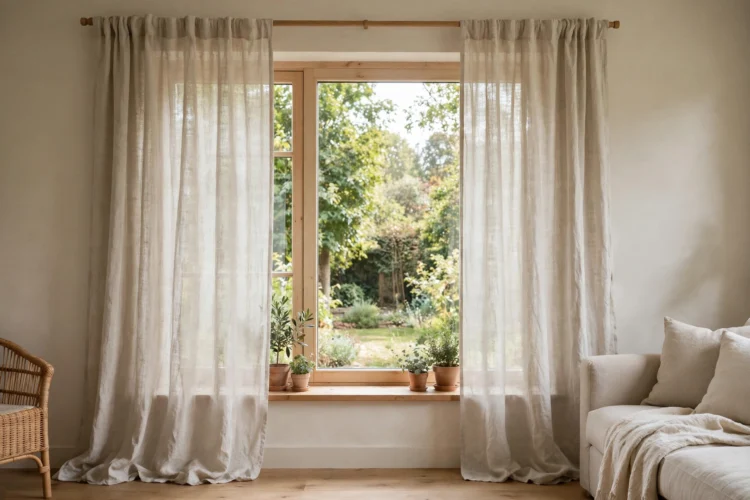
Curtains set the light and the mood of a room. Sheer linen in spring and summer lets light pour in and makes the room feel open. Heavier cotton or velvet in autumn and winter softens sound, blocks drafts, and makes evenings feel warmer. You only need one extra set per room to cover the whole year.
Hang the heavier set a few weeks before the cold arrives, not after. Curtains also change how a room sounds, and heavier fabric takes the echo out of a bare room. If you rent, use a tension rod or clip rings so you can swap panels without tools. These living room curtain ideas show how length and fabric change the feel of a window.
The entryway is small, so a seasonal swap there has an outsized effect. A fresh doormat and a simple wreath tell visitors the season changed before they even step inside. Spring gets a green wreath and a light mat. Autumn gets dried grasses and a coir mat in a warm tone. Winter gets pine and a dark, durable mat that hides slush.
Keep the wreath simple. A full circle of one material, like eucalyptus, dried orange slices, or pine, looks better than a crowded mix of everything seasonal at once. Hang it with a ribbon that matches the doormat. The whole swap takes five minutes and costs less than a takeaway dinner.

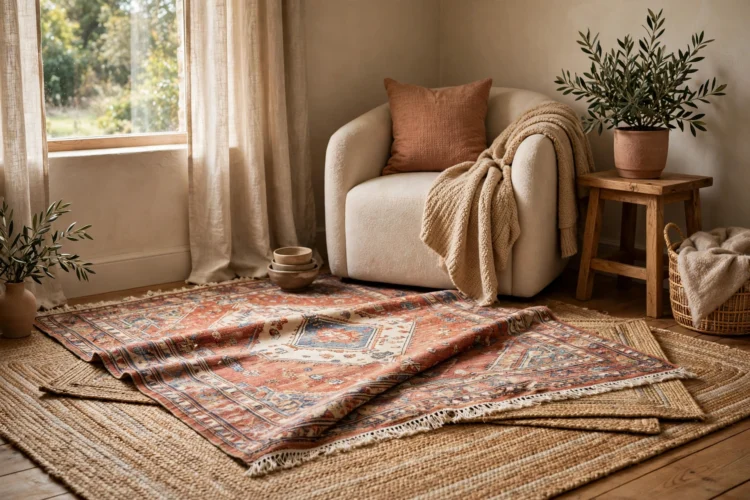
A second rug layered over the first warms a room instantly. In autumn, add a thick wool rug over a flatweave base in the living room, or a small sheepskin beside the bed. In summer, roll the top layer up and let the lighter base breathe. The floor itself becomes part of the seasonal change.
Layering works best when the top rug is smaller than the base by at least a foot on every side, so the edge of the base shows like a frame. Match the colors loosely instead of exactly. A faded vintage rug over a plain jute base is a classic pairing that works in almost any room. These living room rug ideas show how rug size and placement define a seating area.
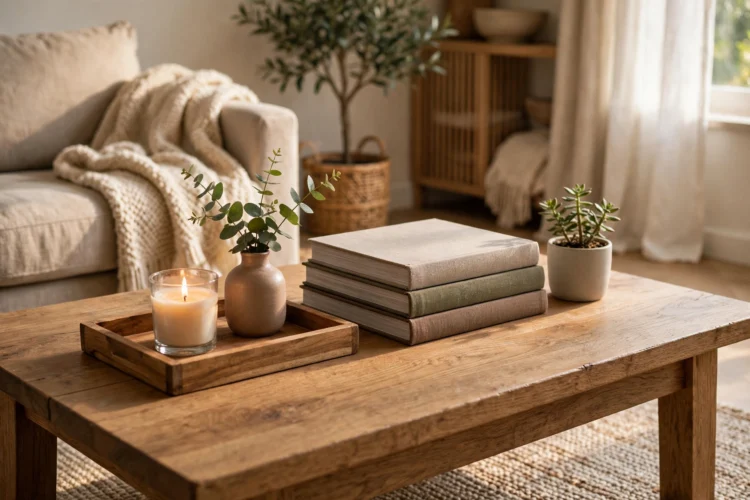
Mantels and open shelves are built for seasonal decor swaps. They are small stages, so one or two changes read clearly. In spring, a vase of branches and a light ceramic piece. In summer, a stack of books and a shell or stone. In autumn, dried leaves in a jar and a warm candle. In winter, greenery, a few ornaments, and soft light.
Follow the rule of three: one tall piece, one medium piece, and one small piece per shelf section. Leave empty space between groups so each season’s pieces can breathe. When you pack the season away, photograph the arrangement first. The photo makes next year’s setup take minutes instead of an afternoon.

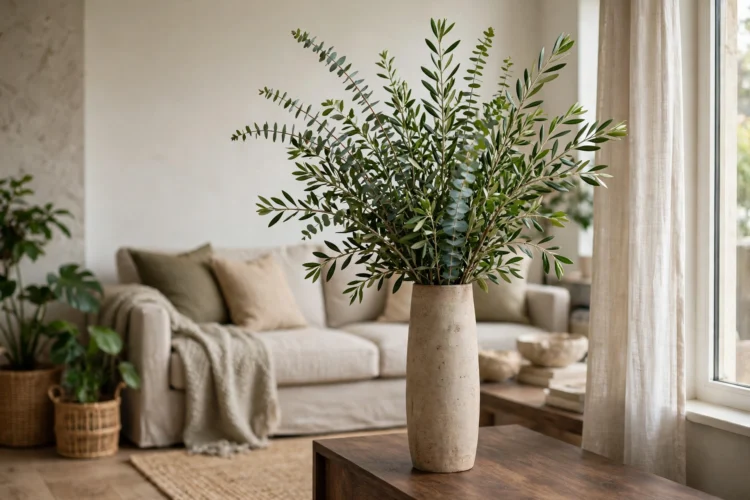
Fresh greenery is the cheapest seasonal decor there is. Cut branches from the garden, buy a bunch of eucalyptus, or forage responsibly for pine in winter. A tall vase of branches in a corner changes the height and life of a room in seconds. In spring, flowering branches like cherry or forsythia bring color without buying a single flower.
Dry the branches at the end of the season instead of throwing them away. Dried eucalyptus and pampas grass last for months and move easily from room to room. Keep one large vase in a spot that is easy to reach, so swapping the greenery never becomes a chore.
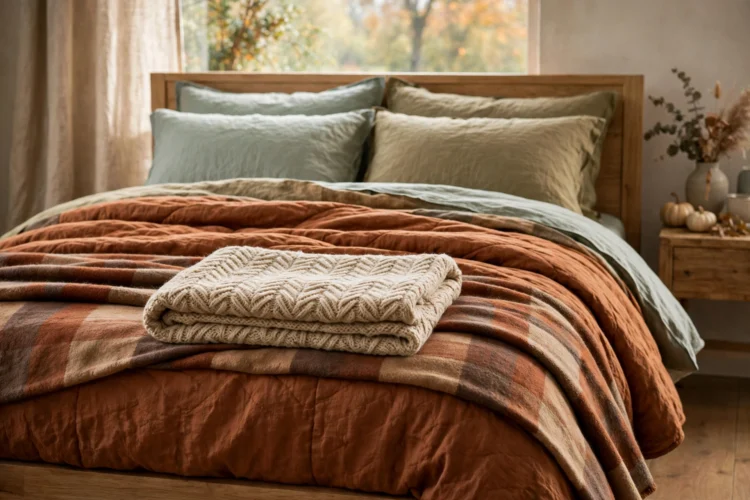
Bedding is the biggest textile in the house, so changing it changes the bedroom completely. Light cotton or linen in summer, heavier cotton and a wool throw in winter. Swap the duvet cover first, then the throw at the foot of the bed, then the pillow shams. Each layer is a small change, and together they reset the room.
Store the off-season bedding in a breathable cotton bag, not a plastic bin, so it stays fresh. These seasonal textile swaps take twenty minutes at most. Add a lavender sachet to keep it smelling clean. These bedding layering ideas show how to stack covers and throws so the bed looks finished in any season.
The swap system only works if you can find things next year. Label each box clearly with the season and the room: autumn living room, winter bedroom. Pack textiles folded flat with tissue paper between layers to stop creases. Put small decor in the same box as its textiles so the whole set travels together.
Take one photo of each box’s contents before you seal it. Tape the photo to the outside or save it on your phone. Next season, you will know exactly what you own before you buy anything new. That single habit is what turns seasonal decor swaps from a shopping habit into a decorating habit, and easy seasonal decorating becomes a routine instead of a project.