Physical Address
304 North Cardinal St.
Dorchester Center, MA 02124
Physical Address
304 North Cardinal St.
Dorchester Center, MA 02124

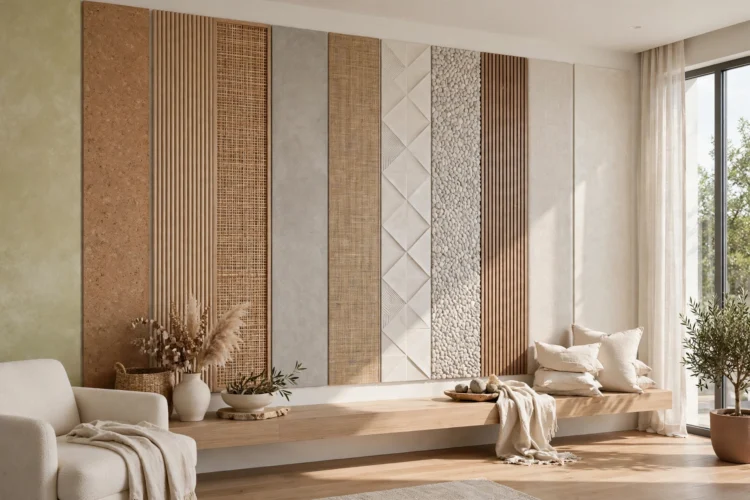
Beadboard, reeded panels, and limewash lead this list of 11 shiplap alternatives, with plaster, wood slats, and faux brick for rooms that need a different kind of texture.
Shiplap alternatives give you the same sense of texture without the same horizontal lines in every room. If you have lived with shiplap for a few years, you know the look: clean, bright, and a little predictable. The boards add rhythm to a wall, but they also set a style that can feel locked in, especially in a small room where the seams repeat from floor to ceiling. The good news is that wall texture comes in many forms, and several of them cost about the same and install in a similar way.
This list covers eleven textured wall ideas that bring depth back to a plain wall. Some are wood, some are plaster, and some are paper or tile. Note the finishes that fit your light and your furniture, and pick the one you can live with for years.
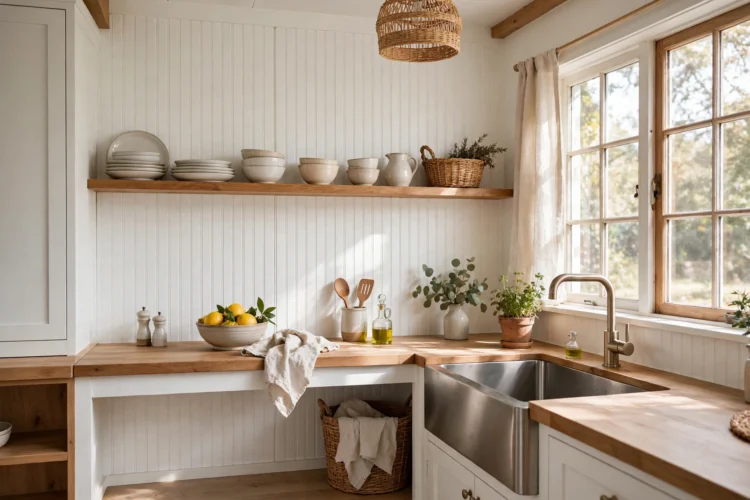
Beadboard is the closest cousin to shiplap, and beadboard wall ideas are a good place to start, but the bead detail changes the whole feel. Narrow vertical grooves catch light in thin lines, so the wall reads as texture rather than as wide boards. It works well in kitchens, bathrooms, and hallways where you want a finish that can handle scuffs and splashes.
Classic beadboard uses boards about two to three inches wide with a small rounded bead between each one. Paint it white for a cottage look, or try a soft green, navy, or warm gray. Run it as a half wall with a chair rail on top, or take it floor to ceiling behind a bed. In a kitchen, it pairs well with simple cabinets and open shelves. For more kitchen ideas, see these beadboard backsplash ideas for cottage kitchens that show how the same boards work behind a sink and a stove.
Wide beadboard keeps the same groove detail but spaces it out, so the wall looks calmer and more modern. The wider boards suit larger rooms and taller ceilings, where narrow beads can look busy. A deep color turns the grooves into shadows, which adds depth even in a room with little natural light. Try it on one wall in a dining room or a home office, and keep the other walls plain.
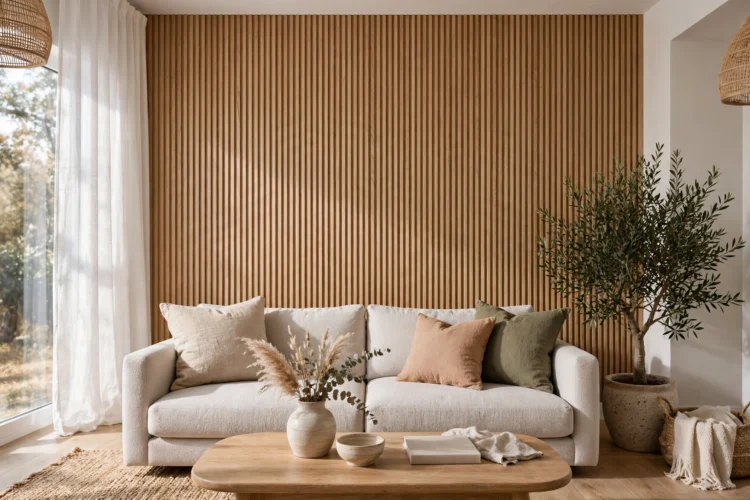
Reeded wall panels use slim, rounded ridges that run in a straight line, usually from floor to ceiling. The ridges are finer than shiplap seams and closer together, so the wall looks soft from a distance and detailed up close. They suit living rooms, bedrooms, and entryways where you want a quiet, tailored finish.
Reeded wood panels come as ready-made sheets or as individual strips you fix to a flat wall. Oak and walnut bring warmth, while painted MDF keeps the cost down and takes any color you choose. Use them on a full wall behind a sofa or a bed, or cut them to half height for a wainscot effect. The vertical lines make a low ceiling feel taller.
If you like the reeded look but want a smoother, painted finish, plaster or MDF panels are a good middle ground. They arrive with the ridges already formed, so you can paint them the same color as the wall for a tone-on-tone effect, or pick a shade one step darker. These panels also hide small bumps and old patch marks, which makes them useful in older homes. Seal them well in damp rooms.
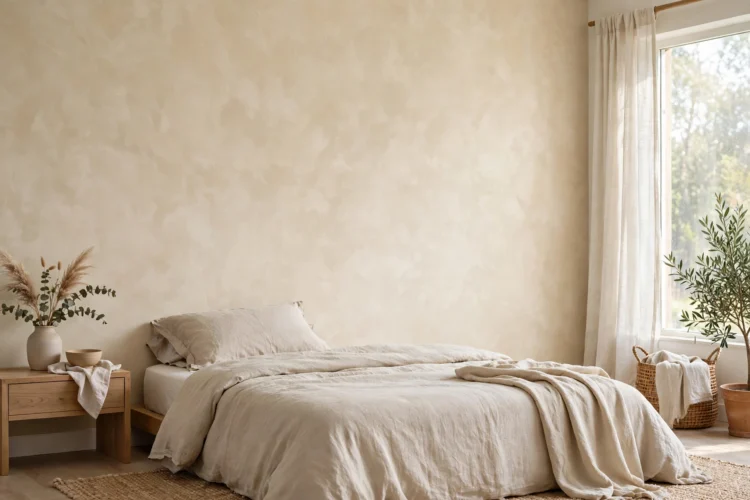
Limewash is a paint finish made from lime, water, and pigment. It dries with soft clouds and brush marks that shift as the light changes through the day. No two walls look exactly alike, which is the point. It suits bedrooms, living rooms, and dining rooms where you want warmth without pattern.
A limewash wall finish starts with a clean, matte base, then goes on in thin, crossed coats with a wide brush. The result is a cloudy, chalky surface that feels old in a good way, like plaster in a farmhouse in southern Europe. Pale shades such as warm white, clay, and sage keep the room bright, while deeper tones such as terracotta or slate add drama to a single wall. It needs a porous surface to bond well, so test it on a small patch first. It also marks more easily than standard paint, so keep it out of high-traffic hallways and behind kitchen counters. If you want more ways to add depth with paint, these paint techniques that add depth to flat walls show how glaze, color washing, and limewash compare side by side.
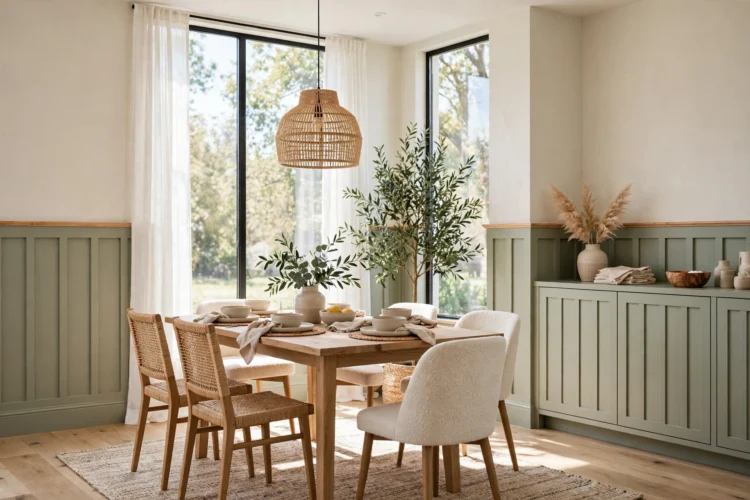
Board and batten uses flat boards with narrow vertical strips, called battens, fixed over the seams. The result is a grid of rectangles that looks crisp and structured. It suits farmhouse, modern, and transitional rooms at any height, from a low wainscot to a full wall.
A board-and-batten wainscot runs about a third of the way up the wall, with a ledge or cap on top. Paint it the same color as the trim for a built-in look, or use a contrasting color to frame the lower wall. The battens protect the wall from chair backs and shoes, and the flat panels are easy to wipe clean. It works well in dining rooms, entryways, and kids’ rooms. For a closer look at panel heights and trim details, see these wainscoting styles for modern homes and pick the layout that fits your ceiling height.
Vertical tongue-and-groove boards lock together with a small V-shaped groove at each joint. The profile is similar to shiplap, but the vertical direction changes how the room feels. Instead of pulling the eye across the wall, it pulls the eye upward, which helps small rooms feel less boxed in.
Vertical V-groove boards suit bedrooms, bathrooms, and narrow hallways. Painted white, they keep a room bright. In a natural wood tone, they add warmth to a cabin-style bedroom or a reading nook. Install them floor to ceiling, or stop at picture-rail height and paint the wall above in a matching shade. Use a satin paint finish in bathrooms so moisture wipes off easily.
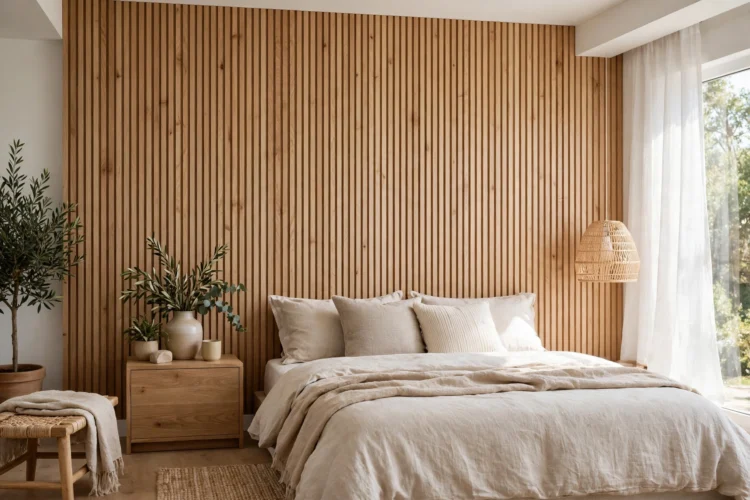
Plaster texture comes from the hand of the person who applies it. Trowel marks, soft waves, and small ridges give the wall a surface you can see and feel. It suits homes with arched doorways, wood beams, or vintage furniture, and it adds age to a new build.
Hand-troweled plaster can be smooth with faint marks or rough with clear trowel sweeps, depending on the tool and the pressure used. A thin skim coat over drywall gives a subtle texture, while a thicker coat creates deeper shadows. Paint it in a warm white for a Mediterranean feel, or leave it in a natural plaster tone and seal it. This finish hides small cracks and seams, but it needs a skilled hand, so get a sample board made before you commit to a whole room.
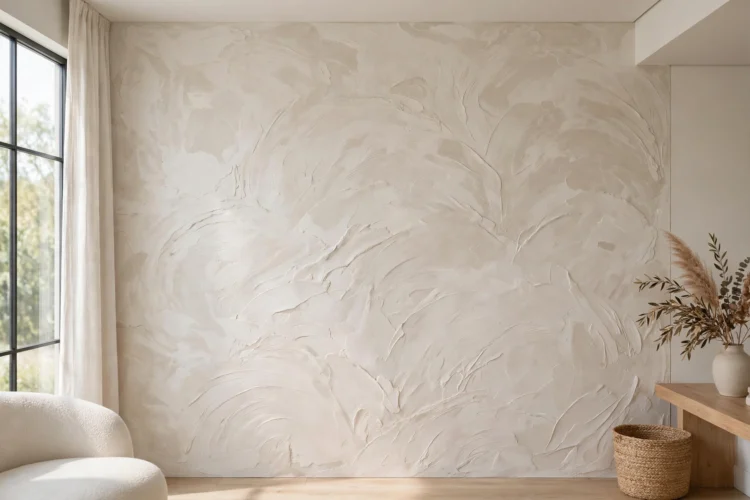
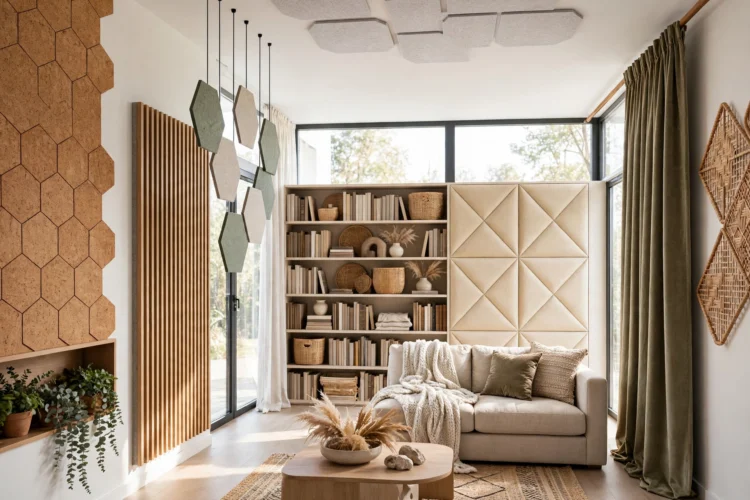
Wood slats are thin strips of wood fixed to a wall with small gaps between them. The gaps create shadow lines and let the wall color show through, which gives the finish a layered look. Slats suit modern living rooms, bedrooms, and media walls where you want warmth without a full wood wall.
Spaced wood slats work best on one feature wall, usually behind a television, a bed, or a sofa. Oak, ash, and walnut are common choices: oak stays light and calm, walnut adds depth, and ash sits in between. Fix the slats to a dark backing board to make the gaps read as clean lines. Keep the slats vertical for height or horizontal for width, and leave the rest of the wall plain. Dust the gaps with a soft brush once a month to keep them clean.
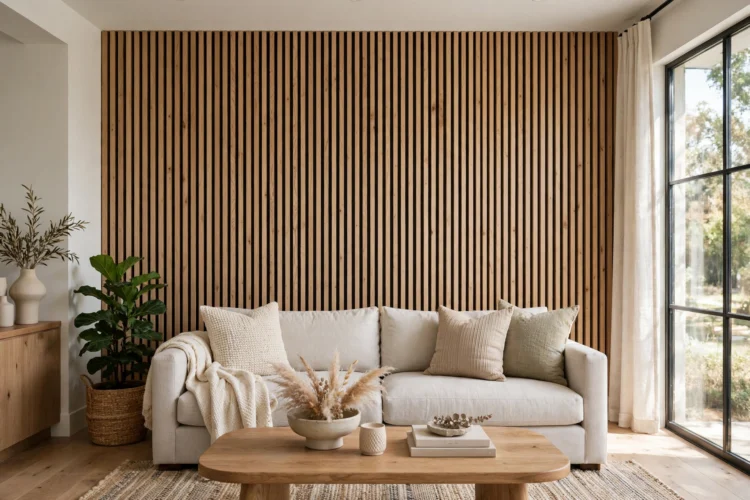
Not every textured wall needs wood or plaster. Wallcoverings and brick bring texture through fiber, clay, and pattern, and they suit rooms where wood would feel too heavy or too plain. These last two ideas work well as a single feature wall, with plain paint on the other walls.
Grasscloth is made from natural fibers such as sisal, jute, or seagrass woven into a paper backing. It adds a fine, woven texture that changes with the light and softens the sound in a room. Use it in a bedroom, a dining room, or a home office where the walls will not get wet or scuffed. The seams are visible by design, so plan the panel layout before you start and order extra rolls from the same batch. It also hides small wall flaws, which helps in older homes with uneven plaster.
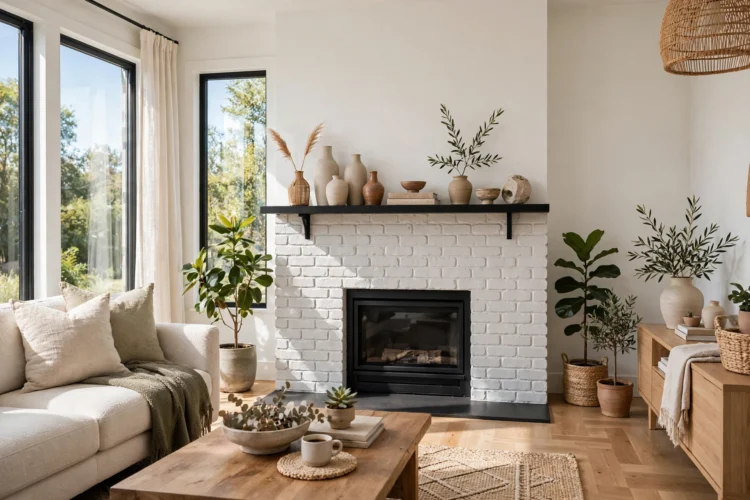
Faux brick panels or thin brick veneer give you the look of an old brick wall without the weight or the mess of real brick. The panels come in red, whitewashed, and gray tones, and you can paint them to match your room. Use brick on a fireplace wall, in a kitchen, or behind a bed for a loft feel, and keep the furniture simple. If you want more ideas that go past paint, these accent wall ideas that are not just paint show how brick, panels, and tile can share a room without clashing.
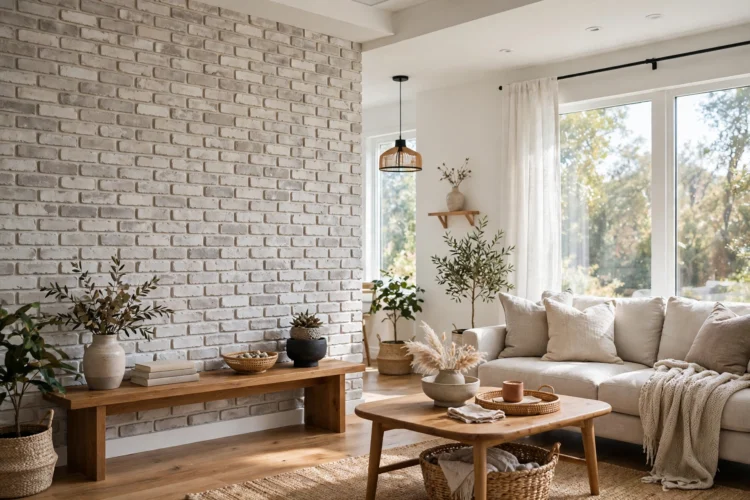
Start with the room, not the material. A damp bathroom needs a finish that wipes clean, a dark bedroom suits limewash or plaster, and a bright living room can handle wood slats or reeded panels. Order a sample, test it on one wall, and live with it for a week before you commit. Pick the texture that fits how you use the room, then install it well and let it settle in.