Physical Address
304 North Cardinal St.
Dorchester Center, MA 02124
Physical Address
304 North Cardinal St.
Dorchester Center, MA 02124

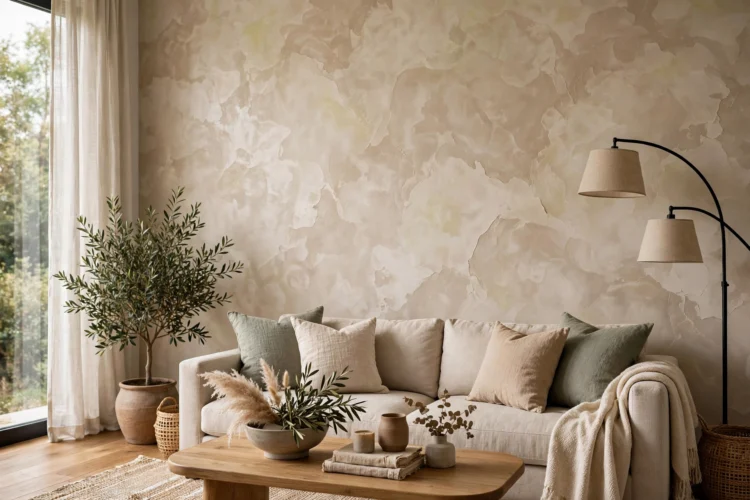
Nine decorative paint techniques that add depth to flat walls, from color washing to ombre blends. Practice on a board, pick one wall, and let the finish carry it.
Flat paint on flat walls can leave a room feeling unfinished, even when the color is right. The wall needs variation, the kind real plaster and old paint carry naturally. These decorative paint techniques add that variation with glaze, rags, and brushes instead of new materials. Each one takes an afternoon at most, and most need nothing more than paint, glaze, and a few household tools. Practice on a scrap board first, work in good light, and keep a wet edge so the finish stays even. Pick one wall, not the whole room, and let the technique carry it.
Color washing layers thin glaze over a base coat to build soft, cloudy movement. Paint the wall a solid base color and let it dry fully, then mix one part paint with three parts glaze. Brush the glaze on in loose X shapes with a wide brush, then soften the strokes with a dry brush before the glaze sets. Work in sections about 3 feet wide so the edge stays wet while you blend.
Two glaze coats give more depth than one thick coat, so let the first coat dry and judge it in daylight before you add the second. Pale glaze over a mid tone base suits bedrooms, while a deeper glaze over cream warms a dining room. Color washing walls is the easiest entry point in this list, since the glaze does the blending for you. Keep the brush strokes random, because a repeated pattern reads as stripes from across the room. Step back every few minutes to check the overall effect instead of staring at one patch.
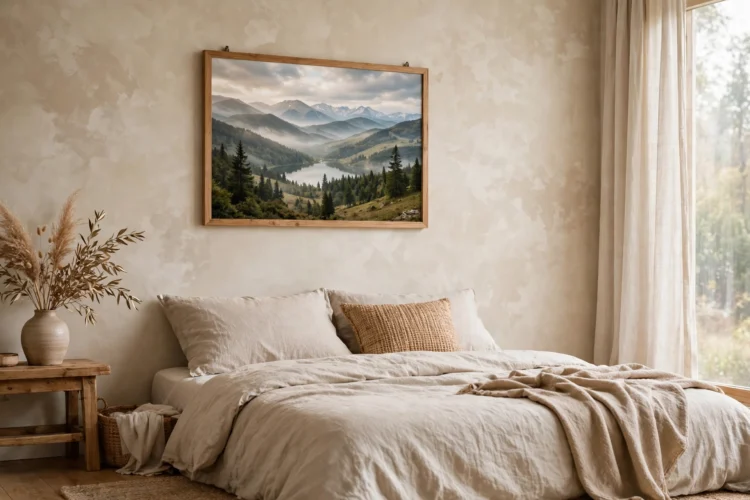
Rag rolling presses a bunched rag into wet glaze to leave a mottled print. Roll a lint free rag into a loose cylinder, dip it lightly in glaze, and roll it across the wall in random directions. Reload the rag often so the print stays even, and reroll the rag when the shape flattens. The finish hides small wall flaws well, which suits older homes with patched plaster.
Choose a glaze one or two shades darker than the base for a gentle effect, or go bolder in a powder room where a strong print feels deliberate. This is one of the most forgiving faux finish paint techniques, since uneven prints look intentional by design. Practice the roll on cardboard until the print looks even, then move to the wall with confidence.
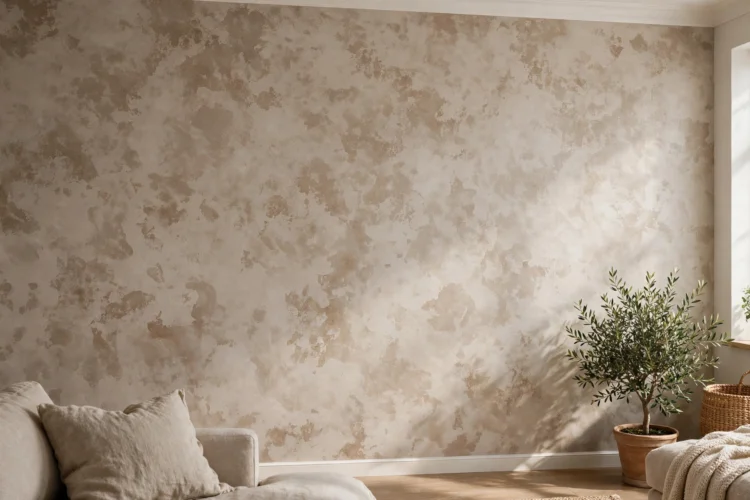
Sponging dabs glaze onto a base coat with a natural sea sponge for a soft, cloudy texture. Wet the sponge, wring it out, and dip only the tips into glaze. Dab lightly and rotate the sponge often so no single shape repeats. Build the color in two thin passes rather than one heavy pass, and let the base show through in places so the wall keeps breathing room.
Sea sponges beat synthetic ones here, because their irregular pores leave a natural print. Rinse the sponge every few minutes so glaze does not clog the pores and flatten the pattern. Sponging suits a single accent wall behind a bed or a sofa, and these wood panel accent wall ideas pair well with it when you want texture on one wall and pattern on another.
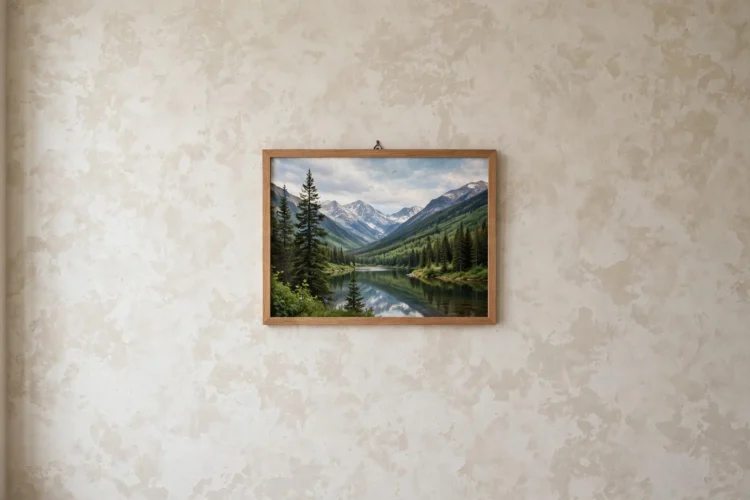
An ombre wall fades from a deep color at the bottom to a pale tint at the top, or the reverse. Paint the wall in three horizontal bands, dark at the bottom, mid tone in the middle, and pale at the top. While the paint is still wet, blend each border with a dry brush using long horizontal strokes. Work fast and keep a spray bottle of water nearby to keep the edge workable.
Mix the mid tone yourself from the dark and pale paints so the three bands share the same color family. An ombre wall suits a bedroom behind the bed, where the fade reads like a headboard glow. This ombre wall paint approach needs a steady hand at the blend lines, so tape a level line for each band and remove the tape while the paint is wet. Stand back often, since the blend reads differently from six feet away.
Dry brushing drags a nearly dry brush across a textured surface so paint catches only the high points. Load the brush, wipe most of the paint off on a rag, then sweep it lightly over the wall or over paneling. The technique suits wood paneling, brick, and heavily textured plaster best, where the high points take the paint and the low points keep the base color.
Use a lighter paint over a dark base for a sun bleached effect, or a metallic paint over a matte base for a soft sheen. Keep the pressure light and build the effect in passes, since one heavy pass looks like a bad paint job instead of a finish. Dry brushing also revives tired picture frames and thrift store finds, and these DIY wall art ideas show how a simple frame change lifts a whole wall.
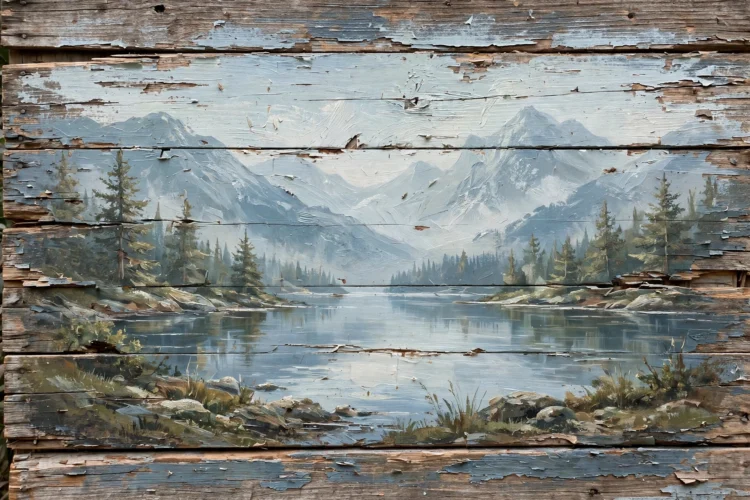
Strie, also called dragging, pulls a dry brush down through wet glaze to leave fine vertical lines like linen. Paint a band of glaze about 2 feet wide, then drag a wide dry brush from top to bottom in one steady pull. Wipe the brush after each pull and keep the pressure even, or the lines will vary in weight. A second pass in the opposite direction softens the lines for a quieter effect.
Strie suits formal rooms and dining rooms, where the fine lines read as tailored fabric. Keep the glaze thin so the lines stay fine, and work with a partner if the wall is wide, one painting glaze while the other drags. The lines hide small wall flaws and add a tailored feel that flat paint cannot match.
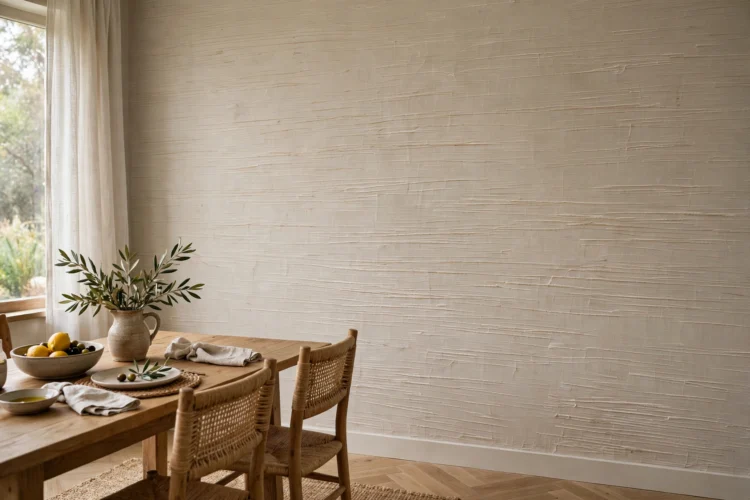
Limewash is a mineral paint that dries to a soft, chalky surface with cloudy movement built in. Apply it with a block brush in loose crisscross strokes over a primed wall, and let each coat dry fully before the next. The brush strokes stay visible as soft variation, which is the point, so do not try to smooth them out. Two coats usually cover, three give a deeper tone.
Limewash suits plaster and drywall that has been primed for mineral paint, and it works best in rooms with natural light that shows off the movement. Seal it in a bathroom or a kitchen where splashes happen, since raw limewash marks easily. The finish pairs well with linen curtains and wood furniture, and these cozy living room ideas show how soft textures layer around a chalky wall.
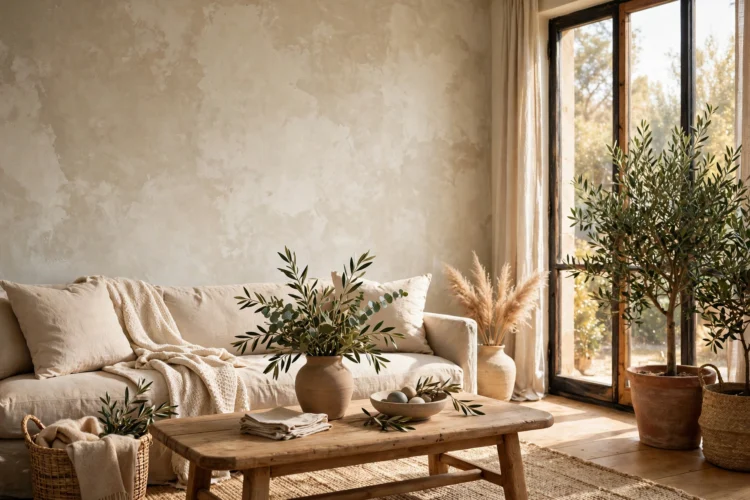
Metallic glaze adds a soft sheen that shifts with the light. Mix metallic paint with clear glaze, about one part paint to two parts glaze, and roll it over a base coat in a W pattern. Keep the coat thin, since metallic paint shows roller marks more than flat paint does. One coat gives a whisper of shine, two coats give a clear glow.
Use metallic glaze on one wall only, such as the wall behind a dining table or a fireplace. Too much sheen in a room fights with lamps and windows, while one wall catches the light and warms the space. Gold glaze suits warm rooms, silver suits cool rooms, and copper bridges the two. Test the glaze on a board and check it in evening light before you commit.
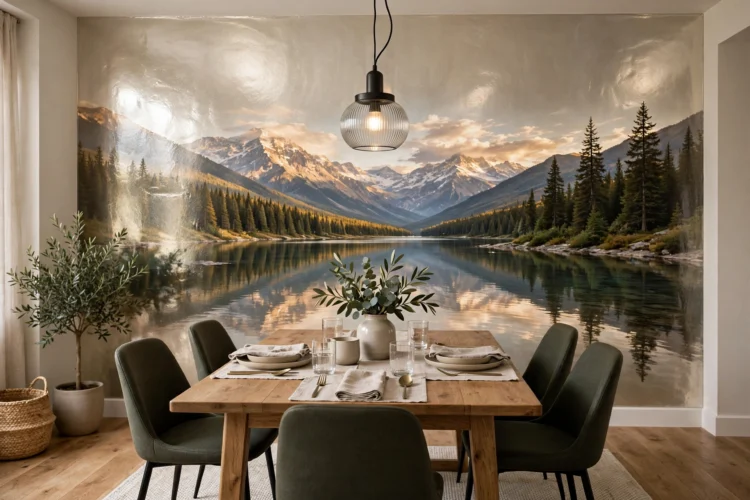
Two-tone blocking paints the lower part of a wall one color and the upper part another, split by a crisp horizontal line. Measure the split at about one third of the wall height from the floor, or at chair rail height if the room has one. Tape the line with a level and a laser if you have one, paint the lower color first, and pull the tape while the paint is wet for a sharp edge.
A dark lower half grounds a room and hides scuffs, while a pale upper half keeps the ceiling feeling high. Add a thin painted stripe or a slim wood trim along the split for a finished look. These gallery wall ideas sit well above a two-tone split, since the upper wall stays calm behind the frames. Keep the two colors in the same family so the split reads deliberate instead of unfinished.
Depth on a wall comes from variation, not from more paint. Pick one technique, practice it on a board, and give it one wall. Color washing softens a bedroom, strie tailors a dining room, and a two-tone split gives a plain room architecture overnight. The paint is cheap and the wall forgives a second try, so the only real cost is an afternoon.