Physical Address
304 North Cardinal St.
Dorchester Center, MA 02124
Physical Address
304 North Cardinal St.
Dorchester Center, MA 02124

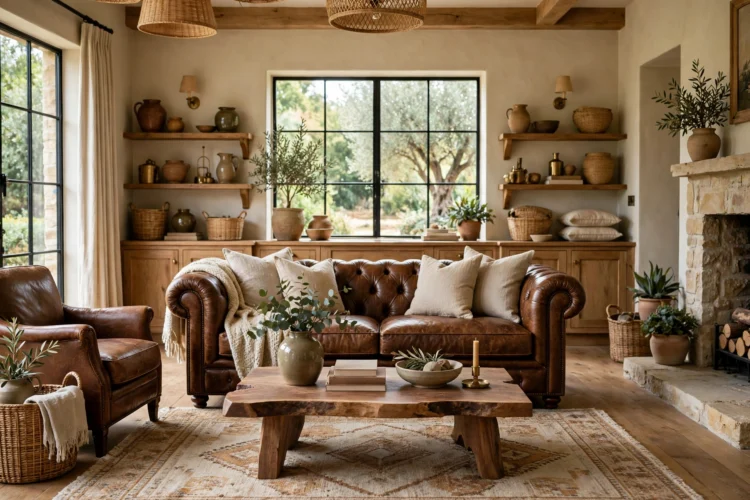
Leather looks better with age when the room around it is planned for that change. Rugs, textiles, and wall tones that soften leather will make the sofa the best seat in the house for years.
Leather sofa living room ideas age well when you plan for patina instead of fighting it. Leather softens, darkens in spots, and picks up marks from daily life, and those changes can look rich when the surrounding rug, cushions, and wall color support them. A leather sofa also brings weight and shine that fabric sofas do not, so the room needs soft layers to balance it. The ideas below match leather tones to walls, soften the seat with textiles, and keep the sofa comfortable through every season.
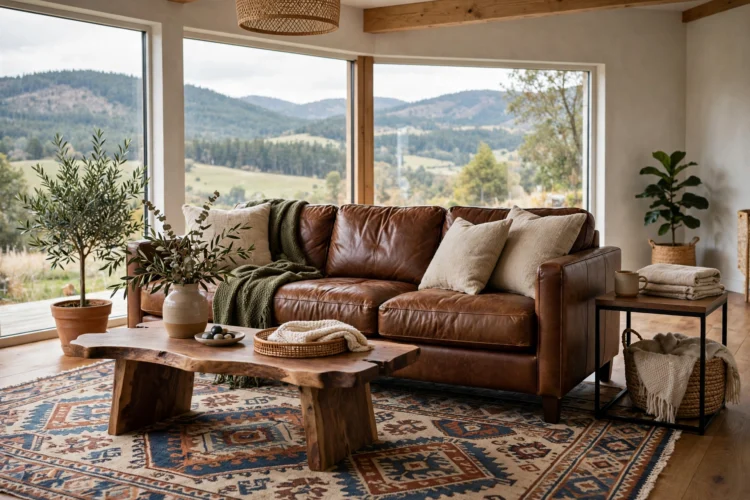
Start with the leather tone and build the wall color around it. Cognac leather glows against warm white, sage, and soft greige walls, while dark brown leather needs lighter walls and a pale rug to avoid a heavy cave feeling. Black leather suits rooms with strong light and pale floors, and it pairs well with wood and brass accents. Test the sofa tone against your wall paint in daylight before committing to cushions, since leather shifts color more than fabric under different bulbs.
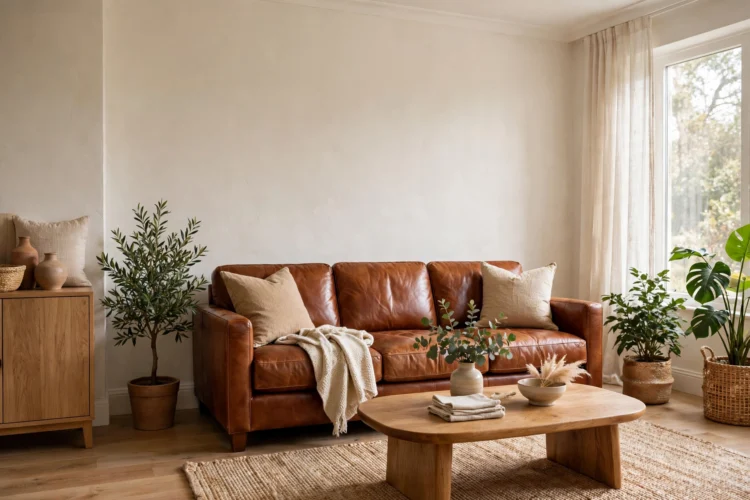
Patina is the gradual softening and darkening that makes a leather sofa look lived in rather than new. Accept creases on seat cushions and a slight shine on armrests as signs of a well-used sofa, and choose a finish that ages gracefully, such as aniline or semi-aniline leather, over a heavily coated surface that can crack. Keep the sofa out of direct sun and away from radiators so aging stays even, and condition it on the maker’s schedule. A sofa that is allowed to age will look better at year five than a sofa kept under covers.
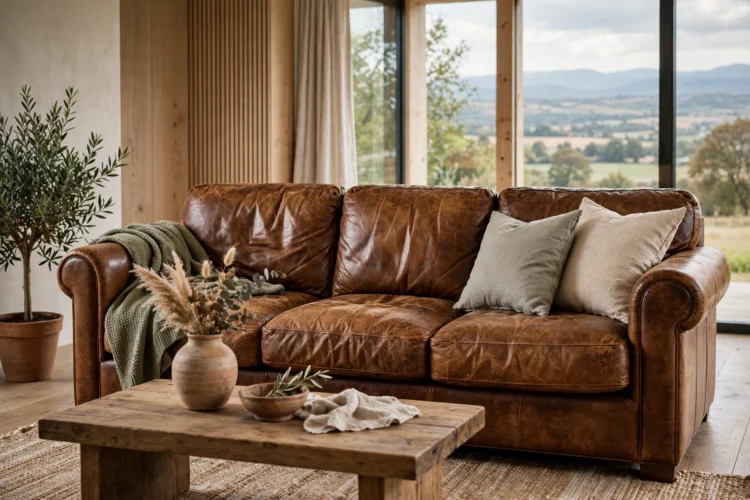
Rugs and textiles are what make a leather sofa inviting to sit on. A wool rug under the front legs adds warmth underfoot, while linen and cotton cushions break up the smooth leather surface and give the back support a softer edge. A knit or woven throw over one arm invites people to settle in, and it protects the armrest from daily wear. Layering ideas from soft living room textile ideas work well here, because the goal is contrast: smooth leather against nubby wool and crisp linen.
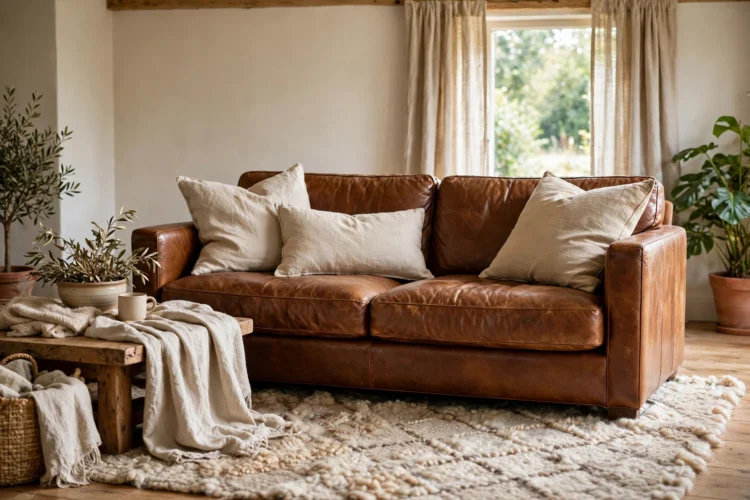
Wall color decides whether leather looks warm or stark. Warm white walls flatter tan and cognac leather, deep green walls make brown leather look library-rich, and pale blue-gray walls cool down a dark sofa without making the room cold. Paint a large swatch next to the sofa and live with it for a few days, checking it in morning light and lamplight. If repainting is not an option, large art and curtains in the right tone can shift the room’s color balance almost as well. For more tone pairings, see leather sofa wall color ideas that match common leather shades to paint families.
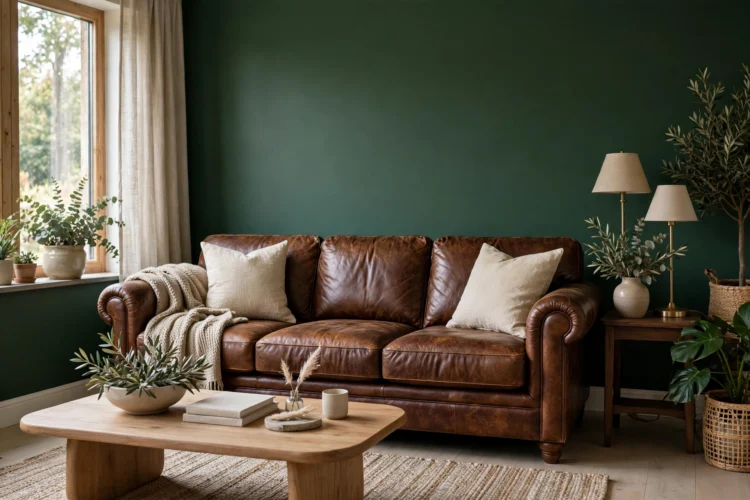
A room full of leather can feel like a showroom, so balance the sofa with fabric chairs and wood tables. A linen accent chair, a wooden coffee table with visible grain, and a woven basket for throws break up the shine and add different textures at eye level. Keep the wood tone close to the leather tone family so the mix feels calm, and repeat the fabric chair color in a cushion on the sofa to tie the group together. Mixed materials also make the room easier to update, since swapping one chair changes the whole feeling.
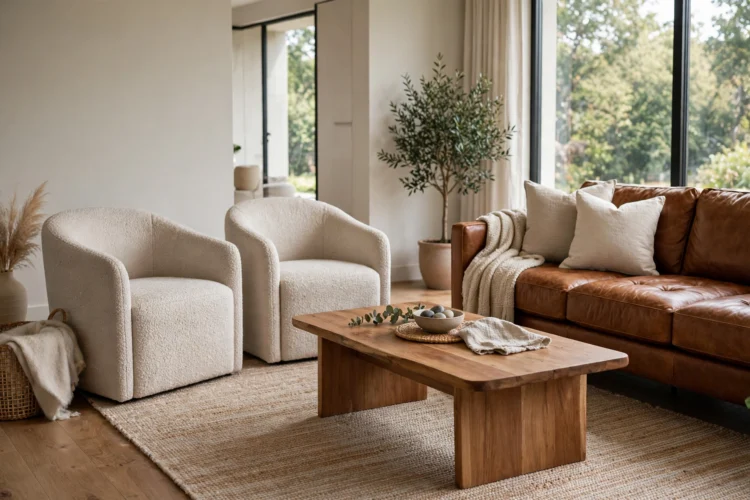
Cushions on a leather sofa should add color and softness without sliding off every time someone sits down. Choose cushion covers with a bit of grip, such as linen, cotton, or knit, and avoid silk or satin that slips on smooth leather. Two or three cushions in a restrained palette, plus one patterned cushion for interest, is enough for a three-seat sofa. Keep cushion sizes generous so they fill the seat depth, and fluff them regularly since leather seats show a flat cushion more clearly than fabric seats do.
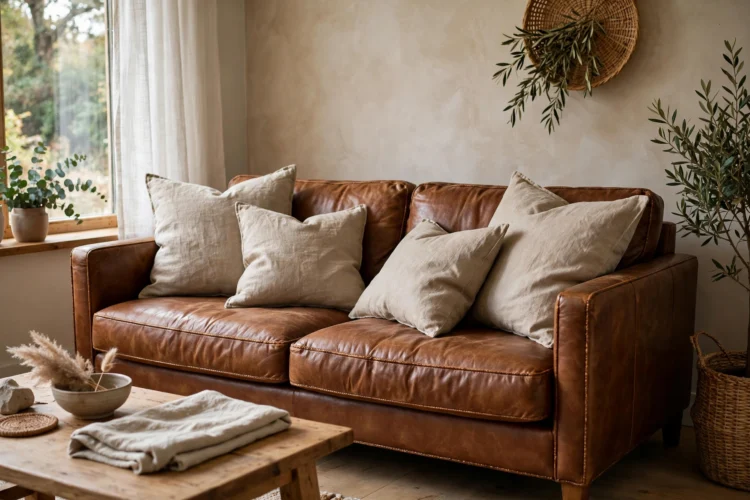
Leather feels cool in summer and can feel chilly in winter, so seasonal layers matter. In summer, a light cotton throw and breathable linen cushions keep the seat comfortable, while in winter a wool throw and a thicker rug underfoot warm the whole seating area. A room that stays at a steady, comfortable temperature also protects the leather from drying out. If the sofa sits near a window, a sheer curtain will cut harsh sun while keeping daylight, which helps both comfort and the leather finish.
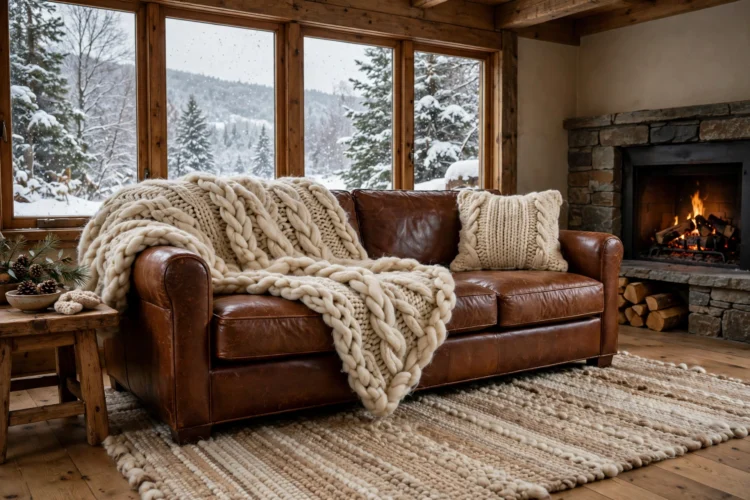
Style choices that last suit a sofa that lasts. Neutral rugs, classic wood tables, and art in simple frames will still suit the sofa in ten years, while a bold trendy rug may clash once the leather darkens. Invest in the pieces that touch the sofa daily, the rug, the coffee table, and the lamps, and treat cushions and throws as the easy seasonal swap. That approach keeps the room feeling current without replacing the largest piece in it. For long-lasting arrangements, classic sofa living room layouts and timeless living room styling ideas show how simple foundations outlast trends.
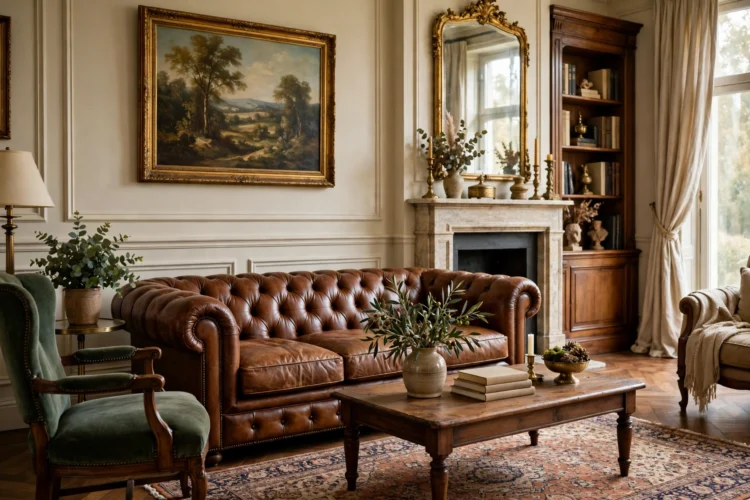
Good leather sofa patina care is mostly about restraint. Dust the sofa weekly with a dry cloth, wipe spills quickly with a slightly damp cloth, and condition only as often as the maker recommends, since over-conditioning can darken leather unevenly and leave a sticky surface. Keep the sofa away from direct sun and heat sources, and test any cleaner on a hidden spot first. A simple routine protects the finish and lets patina develop evenly, which is what makes an older leather sofa look better than a new one.
Avoid home remedies that promise quick fixes, such as oils or polishes not made for leather, because they can stain or soften the surface in ways that are hard to reverse. If a scratch appears, it often blends into the patina over time, especially on aniline leather, so wait before trying a repair product. Regular gentle care, not aggressive treatment, is what keeps a leather sofa aging well for years.
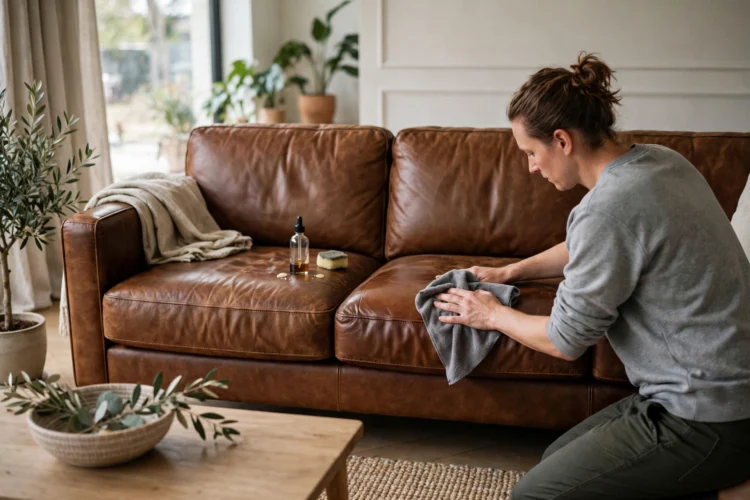
A leather sofa rug pairing changes how the whole room feels underfoot and to the eye. A wool rug softens the leather shine, a flat weave rug keeps the room looking tailored, and a patterned rug in muted tones stops a large leather sofa from dominating the space. Size matters most: the rug should reach under the front legs of the sofa and the chairs facing it, so the seating group reads as one zone. For tan leather sofa walls in warm white or greige, a rug with warm brown, cream, and rust threads will tie the sofa to the walls without adding a loud color.
Keep rug pile low enough that chair legs do not catch, and choose a rug that can be cleaned easily, since leather sofas often sit in rooms where food and drinks are part of relaxing. A rug pad underneath stops slipping on hard floors and adds a little cushion underfoot. With the right rug, the leather sofa feels grounded, soft, and ready for daily use rather than formal and stiff.