Physical Address
304 North Cardinal St.
Dorchester Center, MA 02124
Physical Address
304 North Cardinal St.
Dorchester Center, MA 02124

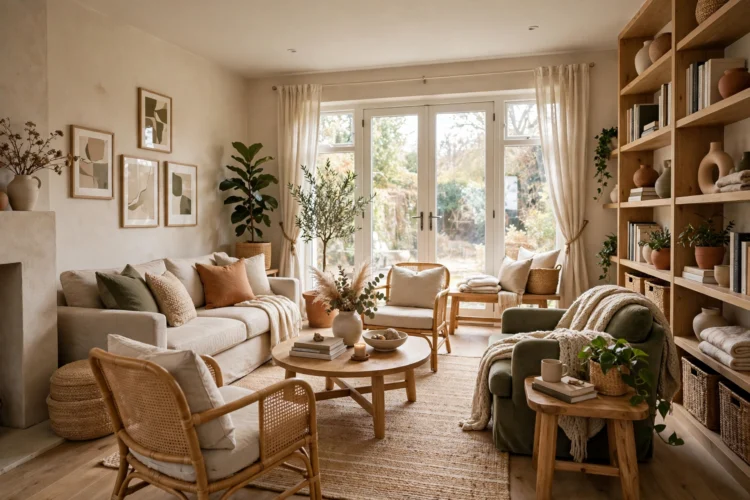
Without a television, a living room needs a new focal point and a seating plan built for talking. These layouts use art, windows, fireplaces, and books to fill that role.
Living room without tv ideas start with a simple shift: seating faces people instead of a screen. That change affects everything, from where chairs point to what hangs on the main wall. A room without a television can feel calmer and more social, but only if it gets a clear replacement focal point and enough comfortable seats for real conversation. The layouts below give art, windows, fireplaces, and bookshelves that job, and each one keeps traffic paths clear so guests move easily.
Pick the focal point before you move furniture. A large window with a view, a fireplace, a gallery wall, or a tall bookshelf can each anchor a room, and the choice sets the seating direction. Place the largest seat facing that focal point at a slight angle, then add chairs that face each other rather than lining up in a row. When the focal point is art, hang the main piece at eye level and keep surrounding decor quiet so the eye has one place to land. A strong focal point also helps a room feel finished on the first visit, which matters when there is no screen to fill the wall.
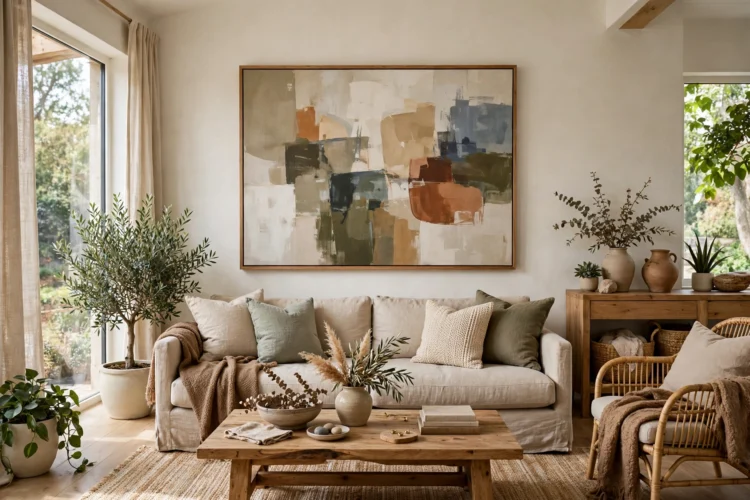
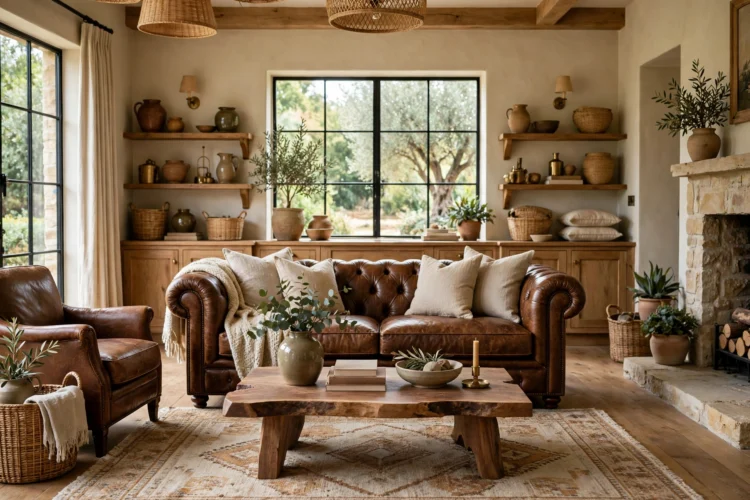
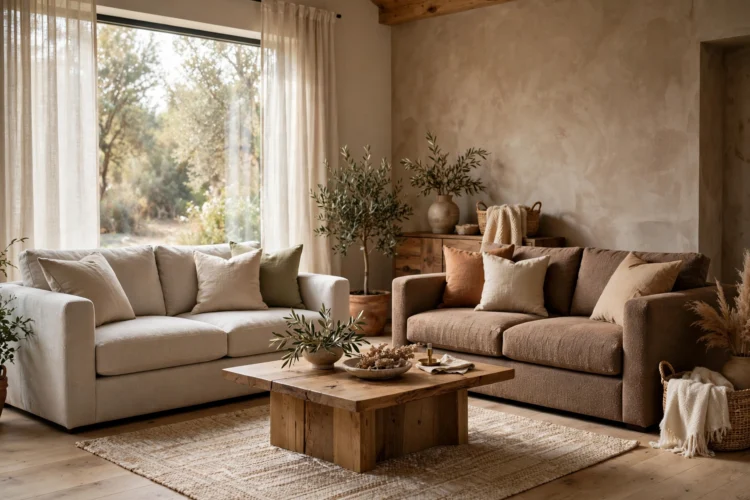
Two sofas facing each other, or a sofa facing two chairs, is the classic conversation layout for a reason. Everyone can see each other’s faces, and the coffee table between them gives hands something to do. Keep the distance between facing seats close enough for easy talk, roughly the span of a coffee table plus room to walk around it, and avoid pushing seats against opposite walls in a large room. A rug under the whole group marks the conversation zone and stops the arrangement from drifting apart over time.
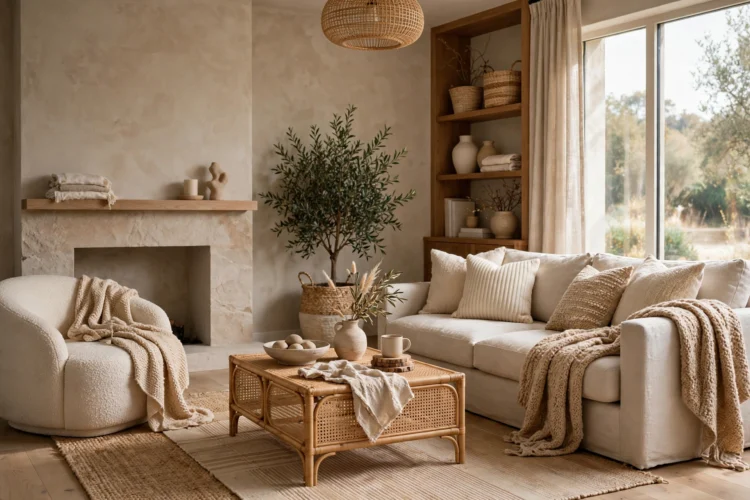
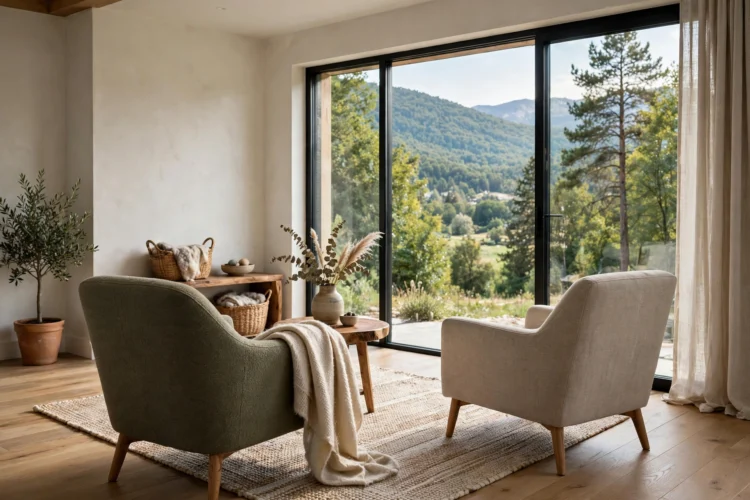
A window makes a generous focal point in a room without a television, especially when the view includes trees, sky, or a garden. Place a pair of chairs angled toward the window and each other, with a small table between them for cups and books. Low furniture under the window keeps the view open, and sheer curtains soften daylight without blocking it. In the evening, lamps near the window keep the corner inviting after dark. Window-led seating also suits bright living room layout ideas that use daylight as the main decoration.
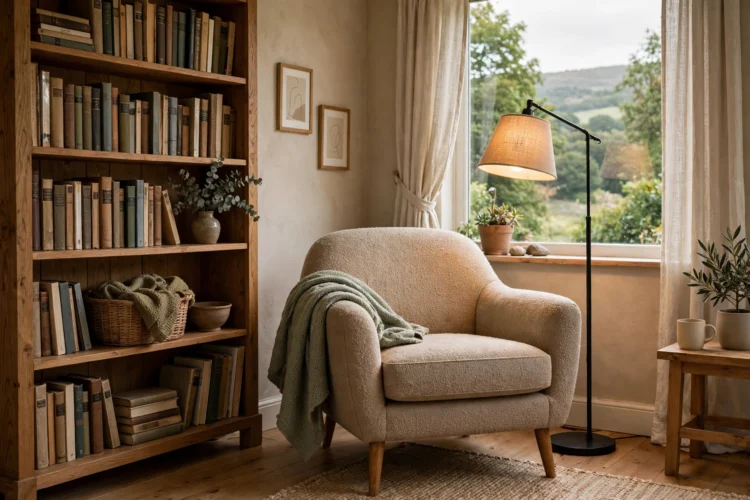
Readers love a room without a television because books can take center stage. Build a reading corner with a deep chair, a floor lamp that lights the page from over the shoulder, and a side table for a cup and a stack of books. A nearby shelf, even a single tall bookcase, gives the corner a purpose and a backdrop. If the room serves both readers and talkers, put the reading chair at one end of the seating group so one person can read while others talk without anyone feeling cut off.
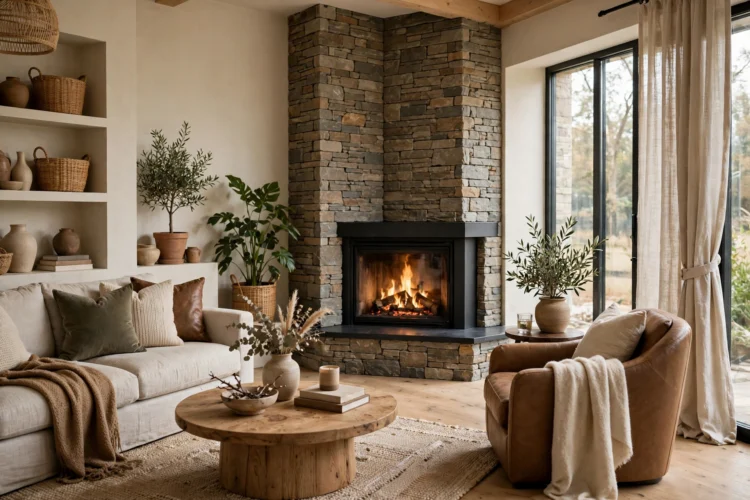
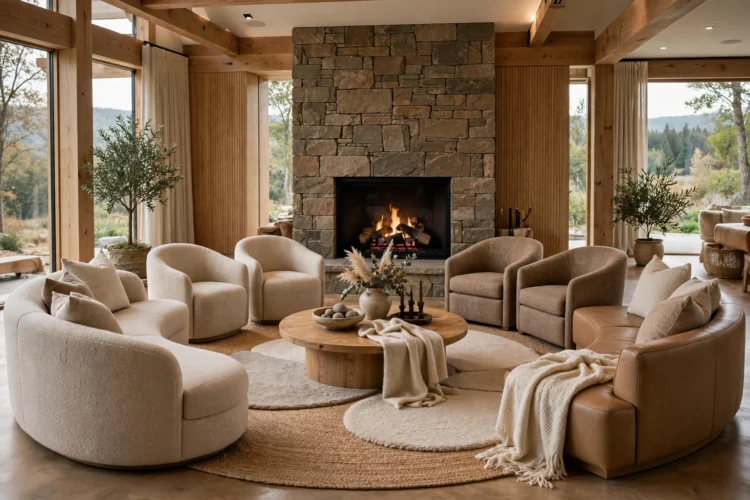
A fireplace gives a no-TV room warmth and a natural gathering point, and it works in every season when the mantel is styled well. Arrange seating in a loose arc around the hearth, leaving room to tend the fire safely, and keep a basket of logs or a stack of books nearby for texture. In warm months, candles or a large vase on the hearth keep the fireplace present without heat. Pair this layout with fireplace living room seating ideas to balance the hearth with the rest of the furniture.
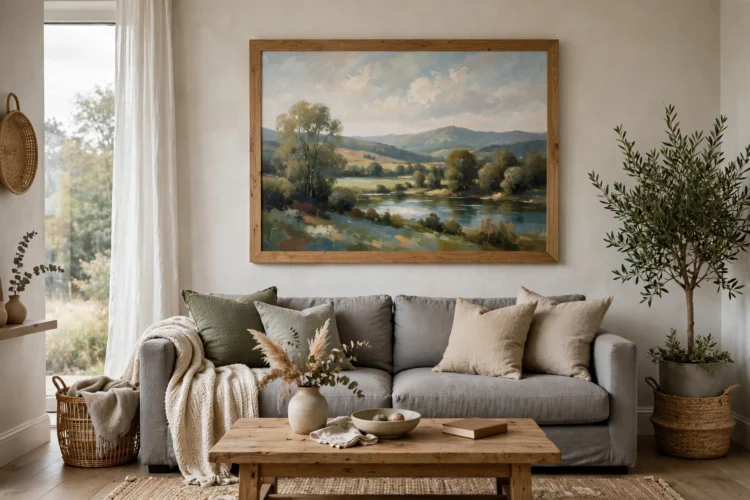
When the main wall is free, art can carry it. One large piece beats a scattered cluster of small frames in a conversation room, because a single image gives guests something shared to look at and talk about. Hang it low enough to enjoy from a seated position, and add a picture light if the room is dim. A gallery wall works too, but keep the spacing even and the frames consistent so the wall feels curated rather than crowded. Rotate one piece each season to keep the room feeling fresh without buying new furniture.
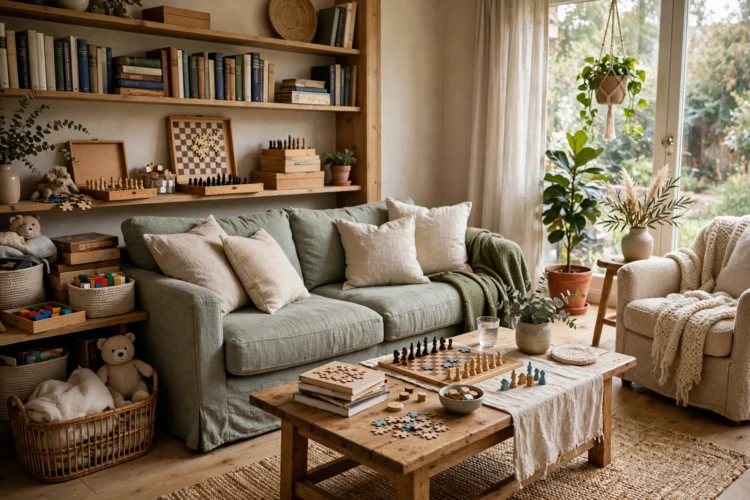
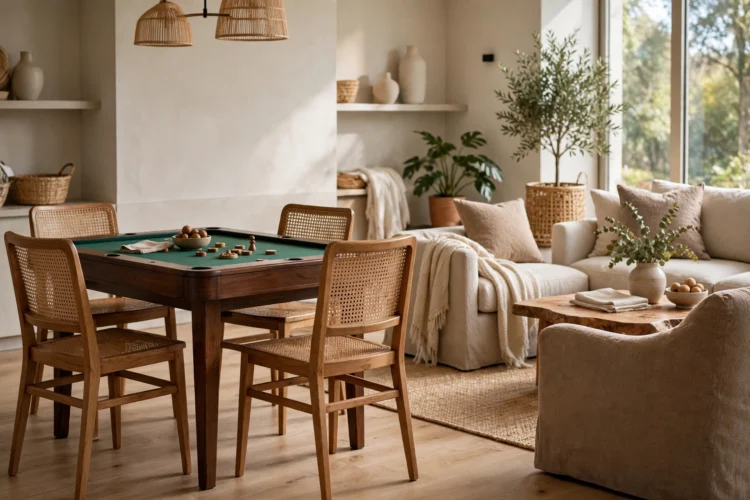
A room without a television needs activities, and a small game table or music corner gives guests a reason to stay. A round table with four chairs fits a card game or puzzle, while a piano, guitar stand, or record player gives the room a sound of its own. Keep the activity zone near the seating group, not hidden in a far corner, so it joins the conversation instead of splitting the room. A low shelf for games and records keeps the table clear and ready to use.
The best no-TV rooms adapt when more people arrive. Lightweight chairs, a bench that slides under a console, and a coffee table that can move aside let a conversation group grow from two people to six without a full rearrangement. Store extra seating near the room, not in a distant closet, so hosting feels easy. Test the layout by walking the paths a guest would take: entry to seat, seat to kitchen, seat to bathroom, all without squeezing past furniture. Flexible plans like these pair well with small gathering living room ideas and entertaining without a tv ideas for hosts who want the room to work hard.
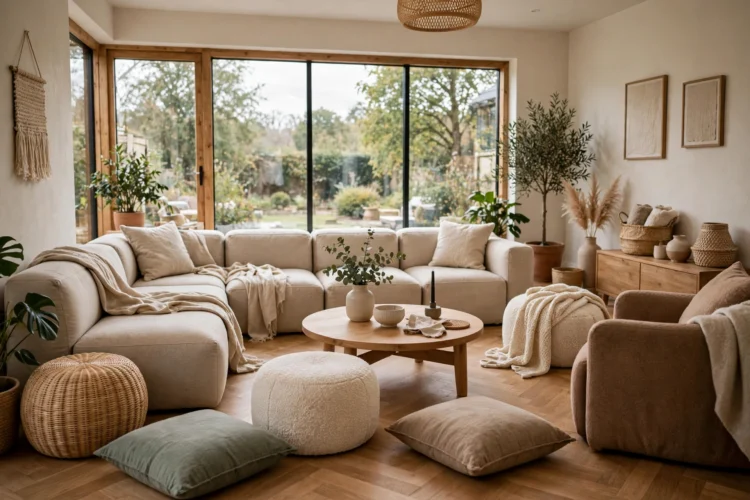
A conversation living room layout gains energy when music has a place in it. A record player on a low cabinet, a guitar on a stand, or a small speaker on a shelf gives guests something to gather around and talk about, and it fills quiet moments without a screen. Place the music spot near the seating group, not in a far corner, so someone can change a record while still joining the talk. Keep the cabinet tidy, with records or instruments stored upright and cables tucked away, so the corner looks inviting rather than cluttered.
If live music is part of the household, leave room for one instrument to stay out and ready to play, since an instrument in a case rarely gets used. A single comfortable chair near the music corner lets a listener enjoy a song while others talk, and the room keeps its social feeling. Music also helps a no-TV room feel warm on evenings when conversation pauses, because the sound fills the space gently.
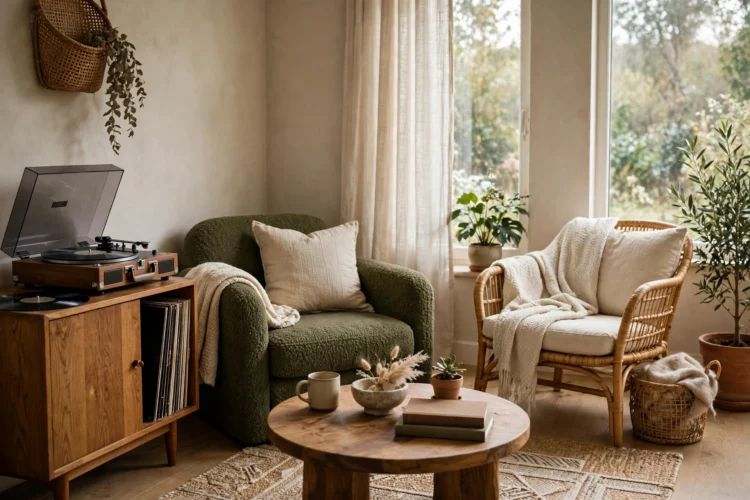
Families need a no tv living room focal point that suits both adults and children, and a low bookshelf with games and puzzles often does that job better than a single piece of art. Keep a basket of games near the seating group, a puzzle table that can stay out for days, and floor cushions that children can pull into the circle. A reading living room arrangement helps here too, since a parent can read while children build or draw nearby without anyone needing a screen to stay occupied.
Set one clear rule for the room, such as games stay in the basket and books return to the shelf, so the flexible layout stays usable. Test the room on a busy evening: can four people sit, talk, and play without moving heavy furniture? If the answer is yes, the layout will hold up through school holidays and visits from friends, and the room will earn its place as the house gathering spot.