Physical Address
304 North Cardinal St.
Dorchester Center, MA 02124
Physical Address
304 North Cardinal St.
Dorchester Center, MA 02124

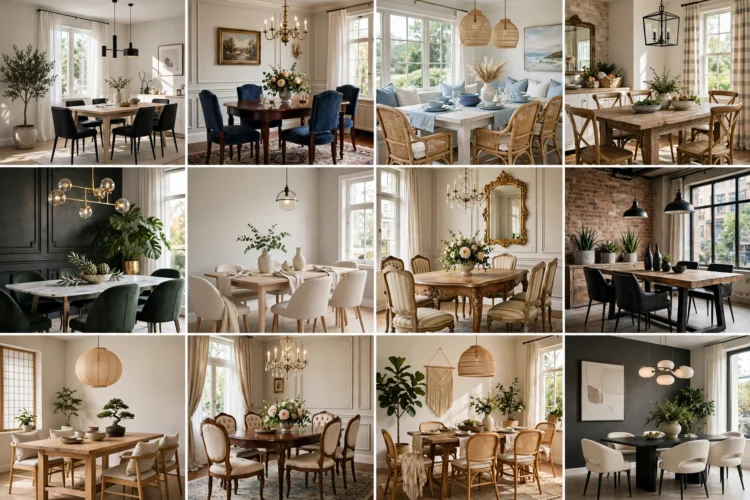
A formal dining room should not sit empty eleven months a year. Comfortable seating, durable luxury finishes, and flexible lighting turn it into the room the family actually uses.
Most formal dining rooms fail for one reason: they are built for a dinner party that happens twice a year and punish everyone the rest of the time. The chairs are stiff, the table is too precious to touch, and the light is either a chandelier on full blast or nothing at all. These formal dining room ideas fix that by keeping the elegance and removing the punishment. The room should still look good at a holiday dinner. It should also work for Tuesday breakfast.
The shift is mostly about comfort and durability. A chair you can sit in for an hour, a table finish that survives a hot plate, and lighting that adjusts to the meal all make the room inviting instead of intimidating. None of it requires a renovation. The ideas below start with the furniture you already have and change the parts that keep people away. For big gatherings, these kitchen ideas designed for entertaining a crowd share the same logic: plan for the people, not the photo.
Uncomfortable chairs are the main reason formal dining rooms sit empty. If a chair hurts after twenty minutes, nobody lingers, and the room becomes a place to eat fast and leave. Choose chairs with a padded seat, a back that reaches the shoulder blades, and arms if the room allows them. Arms slow people down in a good way. They signal that this is a chair for staying, not perching.
Upholstery matters as much as shape. A performance fabric or a treated linen resists stains and cleans with a damp cloth, so you stop worrying about red wine and gravy. Test a chair by sitting in it for ten minutes in the shop, not ten seconds. Lean back, shift your weight, and see whether the seat edge digs into your legs.
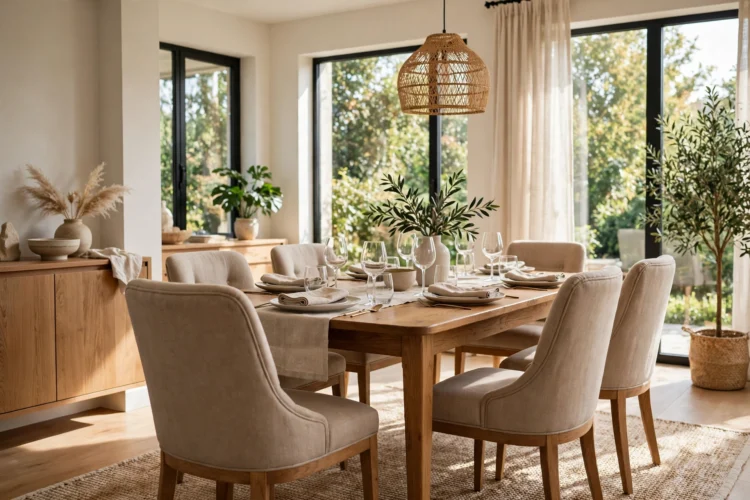
A formal table should fit the room and the family, not just the guest list. Measure the room and leave at least 90 centimeters between the table edge and the wall on every side, so chairs pull out without scraping. A table that seats eight in a room built for six forces everyone to squeeze past each other, and that friction keeps people out. A table that seats six comfortably beats a table that seats ten awkwardly.
Shape helps too. A rectangular table suits long rooms and large groups. A round table suits square rooms and conversation, since everyone can see each other. An extendable table gives you both: compact for daily meals, long for holidays. Whichever shape you choose, pick a finish that tolerates real use. A hardwax oil or a matte lacquer hides small marks far better than high gloss, and that is what makes formal dining room decor survive daily life.
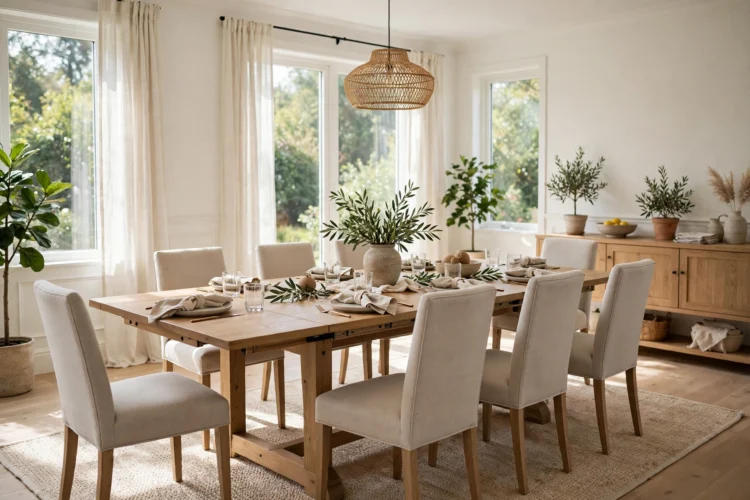
Luxury and durability are not opposites, but formal rooms often pretend they are. Marble looks grand and stains the first time someone sets down a lemon wedge. Brass looks rich and shows every fingerprint. The fix is to choose the durable version of the luxury finish: a honed stone instead of polished marble, a brushed brass instead of polished, a performance velvet instead of silk. Each one keeps the look and drops the anxiety.
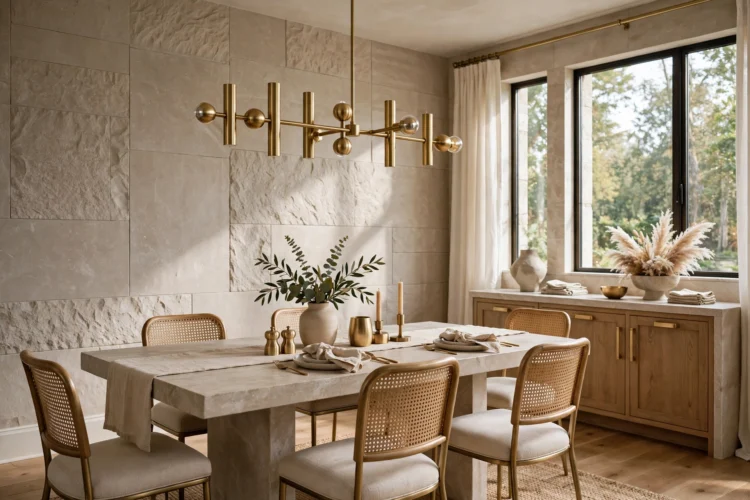
One chandelier on a single switch cannot serve breakfast, homework, and a candlelit dinner. Layer the light instead. Keep the chandelier as the centerpiece, add wall sconces or a pair of table lamps on the sideboard, and put the chandelier on a dimmer. Bright light for setting the table, soft light for eating, and a low glow for lingering after dessert. Each layer has a job, and the dimmer lets you move between them.
Warm bulbs make the biggest difference. Choose bulbs around 2700K so skin tones look healthy and food looks appetizing. Cool white bulbs make a formal room feel like a conference room. If the chandelier is too bright even on low, swap in lower-wattage bulbs rather than living with the glare. Good lighting is the cheapest way to make a formal dining room design feel welcoming, and it works on a room you already own.
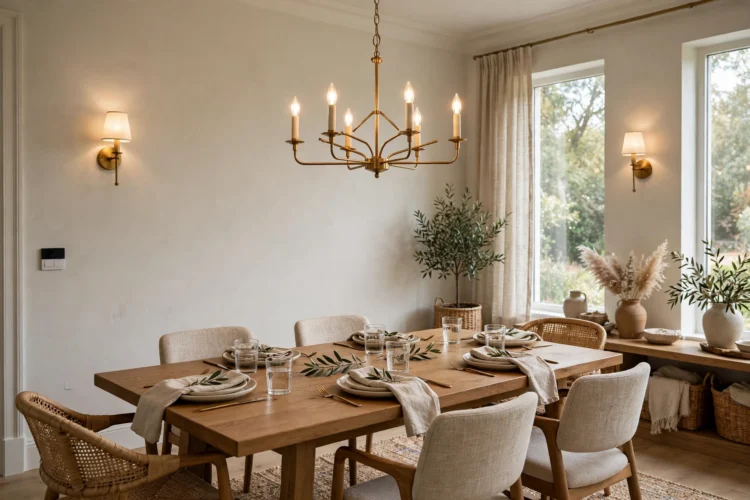
A rug under a formal dining table softens the room and quiets footsteps, but a silk or high-pile rug under a table is a spill waiting to happen. Choose a low-pile wool rug or an indoor-outdoor rug in a classic pattern. Wool resists stains naturally and cleans with blotting, not scrubbing. Indoor-outdoor rugs hose clean and come in patterns that pass for traditional at a glance.
Size the rug so chairs stay on it when pulled out, at least 60 centimeters beyond the table on each side. A rug that is too small catches chair legs on its edge and frays within a year. Pick a pattern with some variation in it, since a solid pale rug shows every crumb. A subtle Persian-style pattern in muted tones hides crumbs, suits a formal room, and still reads as elegant from the doorway.
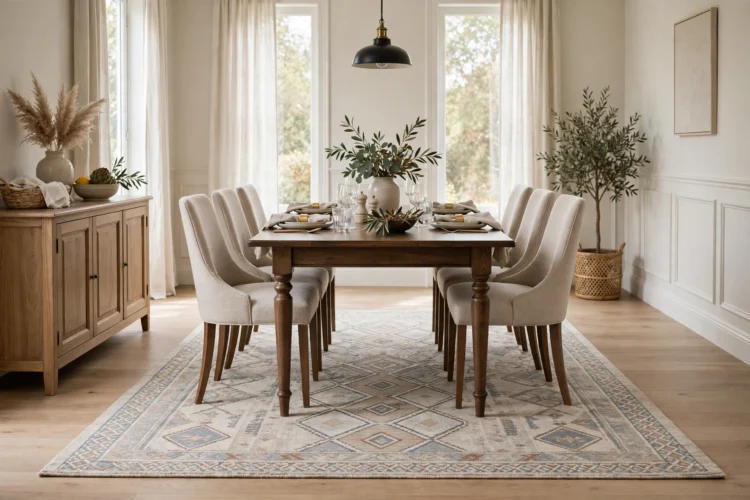
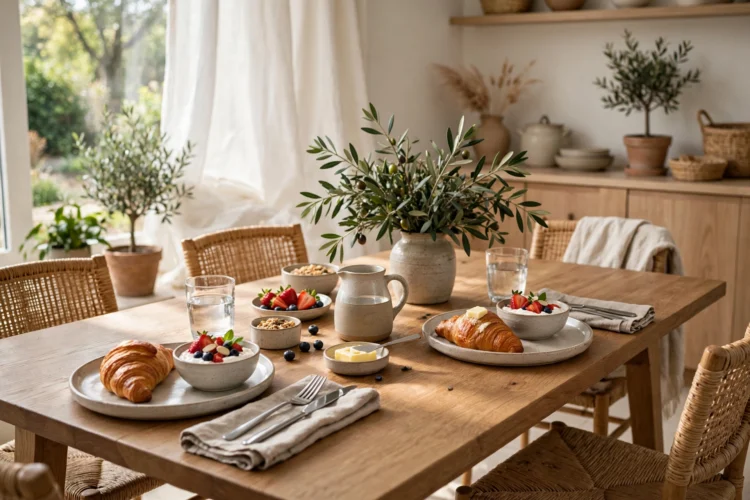
The fastest way to make a formal dining room feel used is to eat breakfast there. It takes one small change: keep the table set simply, with placemats and a water carafe always in place, so the room is ready without a production. When the table is already set, sitting down for toast and coffee feels easy. When the table is bare and the placemats live in a cupboard, breakfast happens in the kitchen by default.
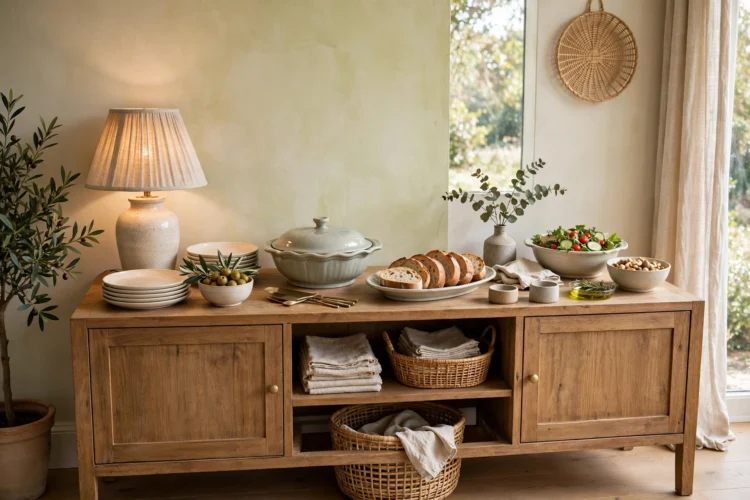
A formal dining room runs on its sideboard. Stock it with what a meal actually needs: extra placemats, cloth napkins, a spare set of cutlery, candles, and a serving platter. When everything lives in the sideboard, setting the table takes five minutes instead of twenty, and the room stops feeling like a project. Put the most-used items in the top drawer and the rarely used ones at the bottom, so the first thing you reach for is the right thing.
Keep the sideboard top clear except for a lamp and one decorative piece. A crowded top makes the room feel like storage, and it forces you to move things before every meal. If the sideboard holds serving dishes, stack them by size and keep the lids with their dishes. The habit that saves a formal room is simple: after every meal, put the used linens in the wash and return the clean ones to the sideboard, so the room resets itself. That routine is the same one that keeps a family-friendly kitchen surviving kids and chaos, and it works just as well here.
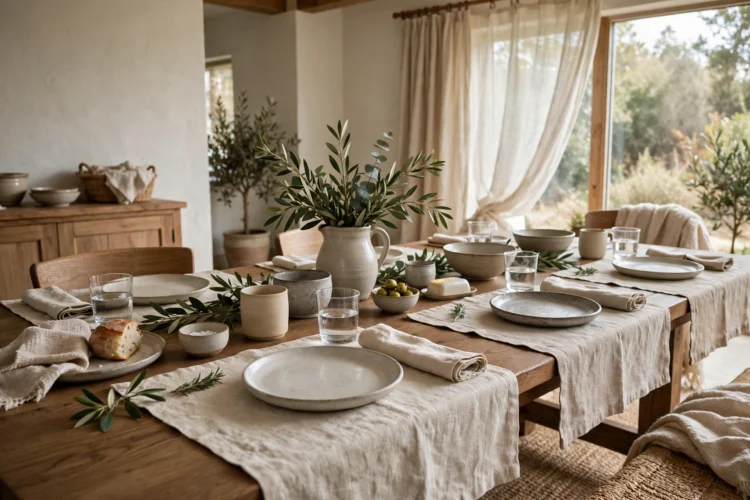
A room full of formal pieces feels like a museum. Mixing in everyday pieces breaks that feeling. Pair a formal mahogany table with simple linen placemats and ceramic plates. Put a crystal decanter on the sideboard next to a plain wooden fruit bowl. The contrast tells the eye that the room is for living, not for looking. One everyday object in a formal room does more work than a whole shelf of formal ones.
Start with the table setting. Use your good plates on a normal Tuesday, and save nothing for a special occasion that may not come. Plates exist to be eaten from, and using them is what makes them valuable. If you own heirloom pieces, mix one or two into the daily setting rather than keeping the whole set locked away. A formal dining room with a few everyday pieces feels like a home. A formal room with none feels like a showroom.
Blank walls make a formal dining room feel like a waiting room. One strong piece of art gives guests something to talk about and gives the room a personality. Choose a piece with color and scale: a large landscape, a bold abstract, or a framed textile that fills the wall above the sideboard. Hang it at eye level, with the center about 145 centimeters from the floor, so it reads from a seated position as well as standing.
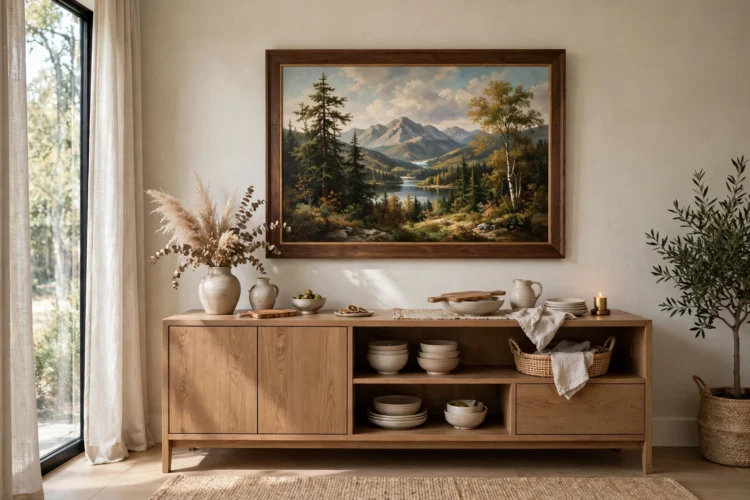
A formal dining room that takes an hour to clean after dinner will not get used. Make cleaning easy and the room gets used more. Choose chair seats that wipe clean, a table finish that tolerates a damp cloth, and a rug that vacuums without catching.
Clear the table fully after every meal, even if you plan to eat there again in an hour. A cleared table invites the next meal. A table covered in glasses and plates from lunch tells the family to eat somewhere else. The five minutes of clearing pay off in a room that stays ready. An elegant dining room that cleans up fast is an elegant dining room that gets lived in, and that is the whole point.
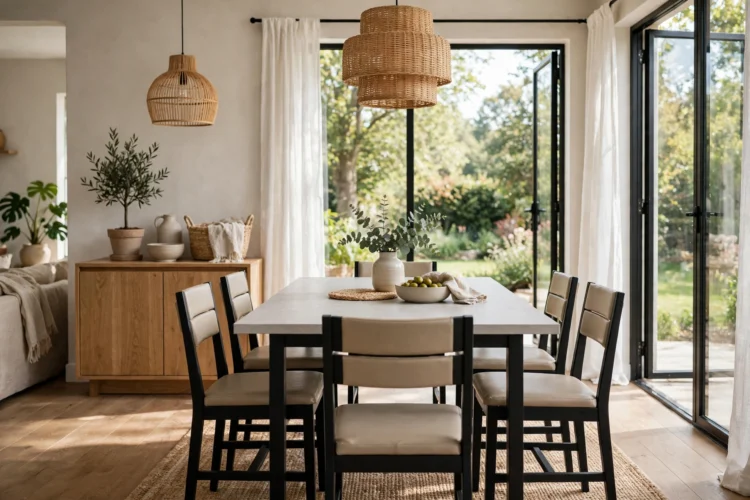
Formal rooms often seat people like a boardroom, with fixed places and a head of the table. A flexible seating plan works better for daily life. Keep two extra chairs in a nearby room or folded against the wall, so the table grows from four to six without a furniture move. Use a bench on one side if the room is narrow. Benches seat children easily and slide under the table when the meal ends.
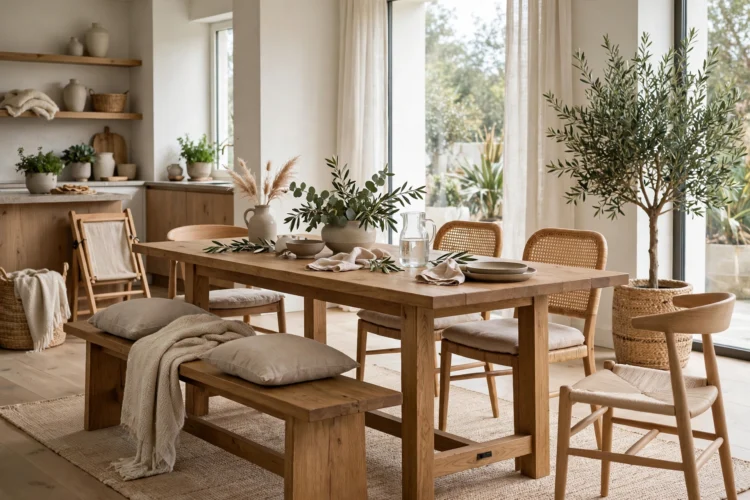
Give the formal dining room a weekly job and it stops being a museum. A Sunday roast, a Friday game night, or a weekly family meeting at the table all count. Put it on the calendar so it actually happens. A room with a standing appointment gets used, tidied, and enjoyed. A room with no appointment gets forgotten, and forgotten rooms gather dust and guilt in equal measure.
Track it simply. If the room hosts at least three meals a week, it is earning its keep. If it hosts none, change something: move breakfast there, move homework there, or move the good plates into daily rotation. The room does not need a renovation. It needs a reason to be sat in, and the reason is usually a meal. A formal dining room that gets used every week is not a luxury. It is the best room in the house, finally doing its job. For the table itself, these plate rack ideas that turn everyday dishes into decor show how the dishes you already own can dress the room without new purchases.