Physical Address
304 North Cardinal St.
Dorchester Center, MA 02124
Physical Address
304 North Cardinal St.
Dorchester Center, MA 02124

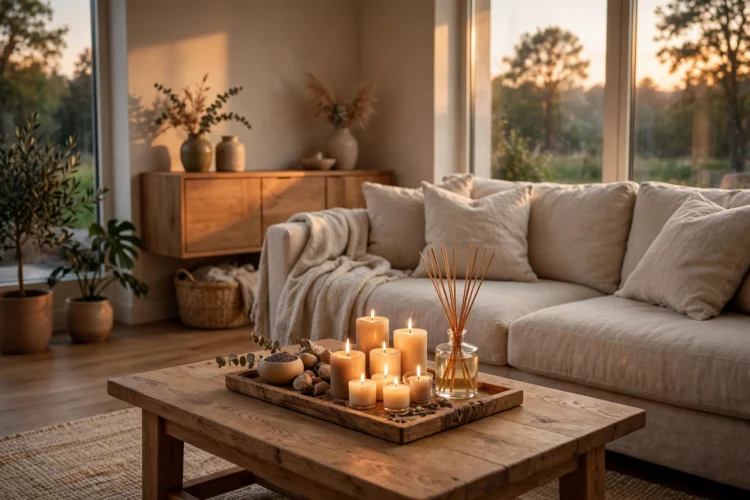
Layer candles, diffusers, and simmer pots by scent family so your whole house smells curated, not confusing. Ten practical ideas to build a cozy signature scent room by room.
A single candle can make a room smell nice for an hour. Candle and scent layering makes the whole house smell like it was planned that way, from the front door to the bedroom, without any one scent shouting over the rest. The trick is simple: pick one base scent per room, add a lighter top note, and let a third scent show up only in small doses. When you are layering home fragrance this way, candles, diffusers, and simmer pots stop competing and start working together. These 10 candle and scent layering ideas will help you build a cozy home scent that feels personal, not perfumed.
Before you light anything, open a window for ten minutes. Stale air holds old cooking smells and dust, and no candle can cover that cleanly. Fresh air gives every layer a clean start, and it is the cheapest step in this whole list.
Every room needs one scent that does the heavy lifting. In the living room that might be cedarwood or sandalwood. In the bedroom, lavender or clean linen works better because softer scents suit rest. Pick the base first, then choose everything else to support it. A good base scent is warm, steady, and easy to live with for hours. If you start with three strong scents at once, the room smells confused instead of cozy.
Test a base scent for a full evening before you commit to it. Light the candle, leave the room for twenty minutes, then walk back in. That first breath when you return is what guests will notice. If it feels heavy or sweet, the base is too strong. Swap it for something woodier or greener and try again.
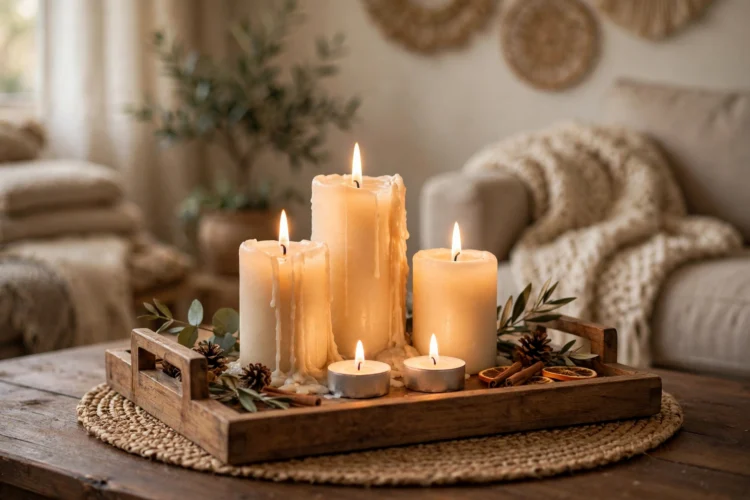
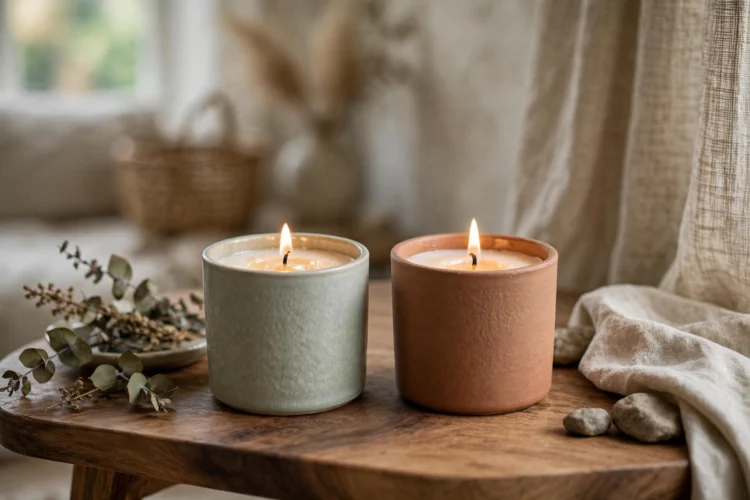
Candles from the same scent family blend. Candles from clashing families fight. Woody scents pair well with amber and spice. Floral scents pair well with green leaves and soft fruit. Citrus pairs well with herbs and clean linen. When you shop, read the scent notes on the label instead of judging by the jar color. Two candles can look identical and smell completely different once lit.
A simple test: hold both unlit candles a few inches from your nose at the same time. If the combination smells muddy before lighting, it will smell worse once the wax warms up. Keep a small notebook of pairs that worked, so you can repeat them without guessing. Over time you will build a short list of scented candle combinations you trust.
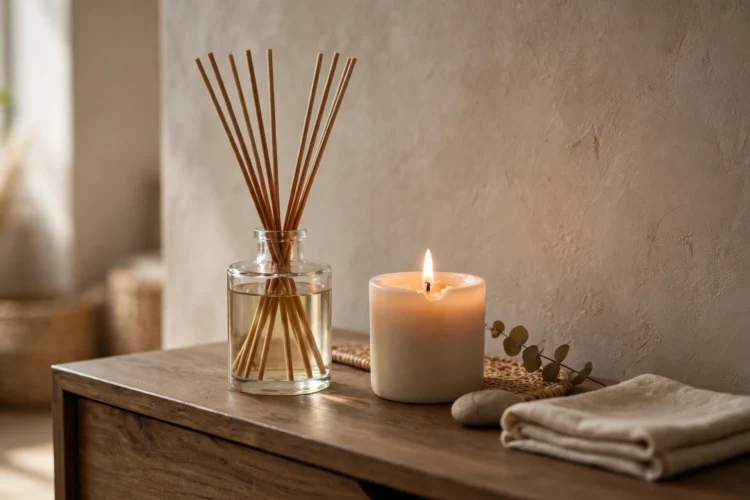
A reed diffuser gives a room a constant low background scent. A candle adds a stronger top layer for the hours you are actually in the room. Put the diffuser in the base scent and choose a candle in a lighter related scent. For example, a cedar diffuser under a fig candle, or a linen diffuser under a light floral candle. The diffuser keeps the room from smelling empty when the candle is out.
Place the diffuser away from direct sunlight and heating vents, or the oil will evaporate too fast and the scent will turn sharp. Flip the reeds once a week, not every day. Flipping daily floods the room and wastes oil. For more on building a calm base in the room itself, these cozy living room ideas show how soft furnishings hold scent longer than hard surfaces do.
Kitchens fight scent layering because cooking smells linger. A simmer pot solves this better than any candle. Fill a small pot with water, orange slices, a cinnamon stick, and a few cloves, then keep it on the lowest heat. It clears cooking smells and adds a warm scent at the same time. Refill the water as it drops and it will run for hours.
Start the simmer pot thirty minutes before guests arrive, not when they knock. Scent needs time to travel through a house. In summer, swap the cinnamon for lemon slices and fresh mint. The pot costs almost nothing, uses no flame you have to watch, and beats a plug-in air freshener that only masks odors with a chemical sweetness.

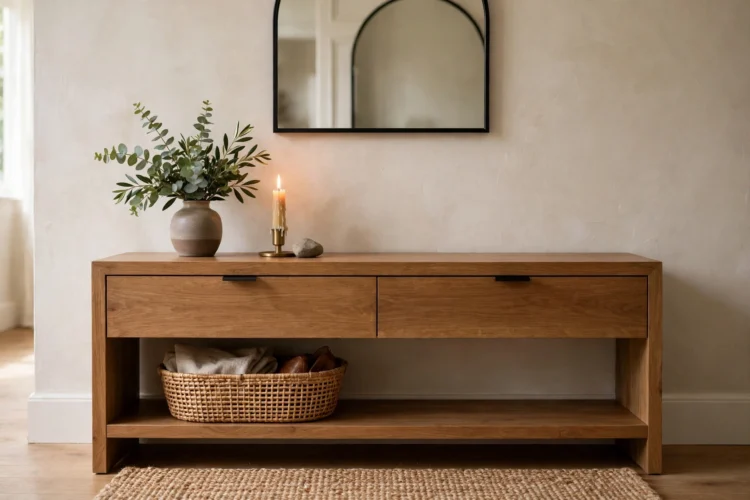
The entryway is the first scent a guest meets, so give it a distinct one. A small candle or a few drops of essential oil on a wooden bead garland works well here. Choose something bright and welcoming, like bergamot, grapefruit, or a light pine. Keep it lighter than the living room scent so the house reveals itself gradually instead of hitting visitors all at once.
Change the entryway scent with the season while the rest of the house stays steady. That small change makes the whole home feel fresh without rethinking every room. A console table with a tray keeps the candle, matches, and a small vase in one tidy spot. If you need styling help for that first impression, these throw pillow combinations show how small swaps change a whole room, and the same idea applies to scent.
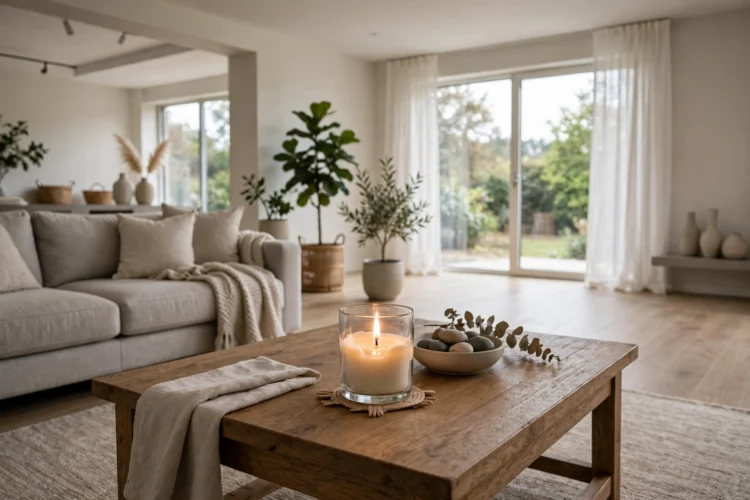
A large candle in a small bathroom will overwhelm the space in minutes. A small candle in a big open-plan living room will disappear. Match the throw of the scent to the size of the room. Small rooms need a tea light or a single-wick candle. Medium rooms take a standard two-wick candle. Large open spaces need a diffuser plus a candle, or two candles placed at opposite ends.
Ceiling height matters too. Rooms with high ceilings need a stronger base scent because warm air rises and carries fragrance up with it. In those rooms, place the candle lower, on a coffee table rather than a high shelf, so the scent stays where people sit. Close interior doors for fifteen minutes before guests arrive to let the scent build, then open them again.
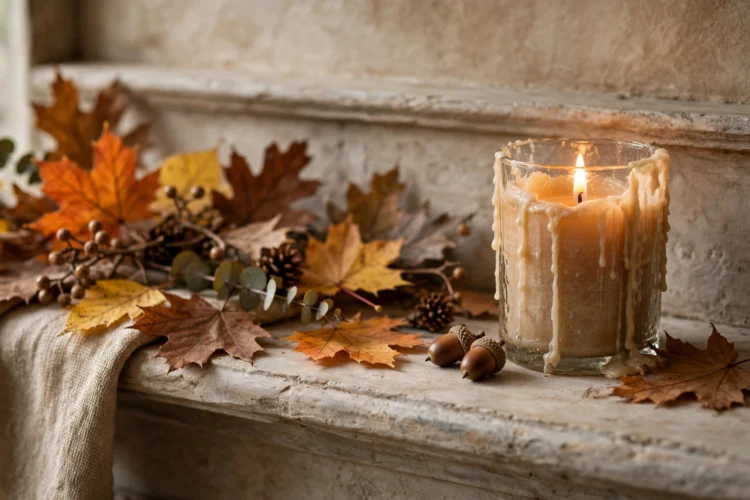
Keep your base scents the same all year and change only the top note. In spring, add a green or floral candle over a wood base. In summer, add citrus or sea salt. In autumn, add apple, cinnamon, or clove. In winter, add pine, amber, or smoked vanilla. This keeps the house smelling familiar while still feeling right for the month.
Seasonal top notes are also the cheapest way to experiment. Buy one seasonal candle instead of a whole new set, and you can test a new scent family without wasting money. Store out-of-season candles with their lids on, away from heat, so the fragrance stays strong until next year.
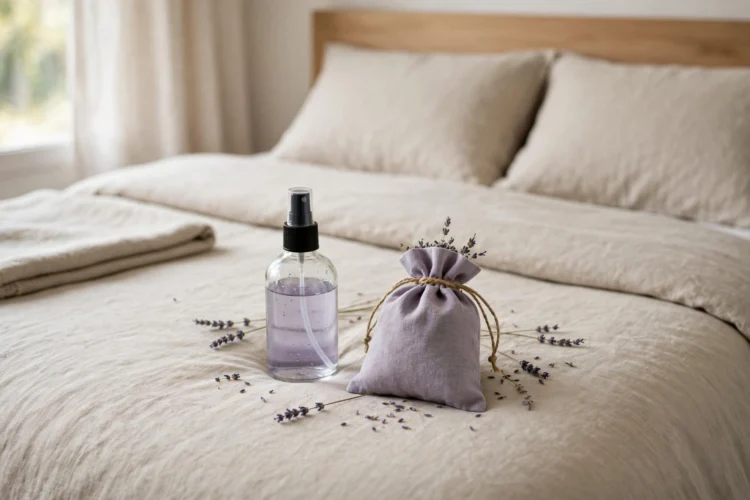
The bedroom should smell calm, not perfumed. Instead of burning a candle all evening, use linen spray on pillows and a sachet in the drawer. Lavender and cedar sachets keep clothes fresh and add a faint scent to the whole room. Spray the bedding in the morning so the scent settles by bedtime instead of sitting heavy in the air.
Avoid strong candles in the bedroom entirely. A heavy scent can make sleep harder, and an open flame near bedding is a risk nobody needs. If you want a candle in the bedroom, light it for thirty minutes while you read, then blow it out before you turn off the lamp. These bedding layering ideas pair well with a light scent, because layers of fabric hold fragrance gently for hours.
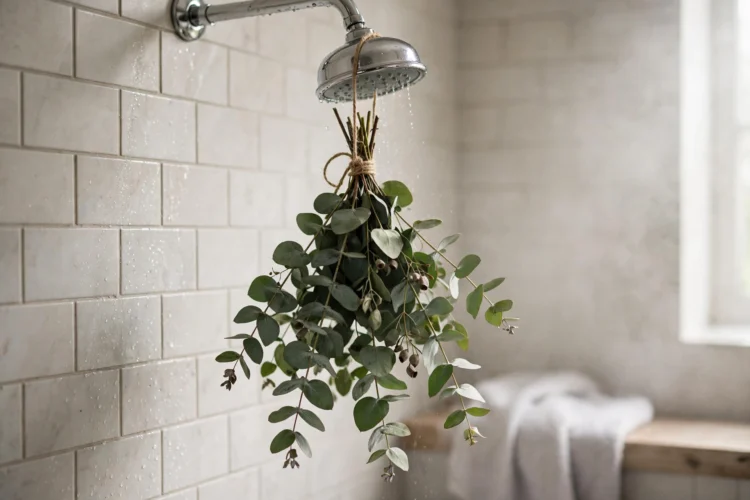
Bathrooms are small, tiled, and full of hard surfaces, so scent bounces around fast. One small diffuser or a single eucalyptus bunch hung from the shower head is enough. The steam releases the scent slowly and naturally. Skip large candles here. The heat and humidity make them burn unevenly and throw scent too hard.
A few drops of essential oil on a cotton ball tucked behind the toilet tank gives a steady faint scent with zero clutter. Replace it weekly. Keep the bathroom scent in the same family as the hallway outside it, so walking between rooms never feels like stepping into a different house. Eucalyptus and mint pair well with almost any neutral base.
The best scent layers are the ones you can repeat. Keep a short list on your phone: room, base scent, top note, and the exact candle or diffuser you used. When a combination earns a compliment, write it down that day or you will forget it by next month. Over a year this list becomes your house scent recipe book. Home fragrance layering is a skill you build one room at a time, and a written record is what turns a lucky guess into a repeatable recipe.
Start with just one room this week. Pick a base, add one top note, and live with it for a few days. Once that room feels right, move to the next. A whole home scent takes a month to build properly, and that is fine. The goal is a house that smells like you live well in it, not a shop. Small mirrors and light surfaces help scent and light travel together, so these mirror placement ideas are worth a look when you plan where each scent layer should sit.