Physical Address
304 North Cardinal St.
Dorchester Center, MA 02124
Physical Address
304 North Cardinal St.
Dorchester Center, MA 02124

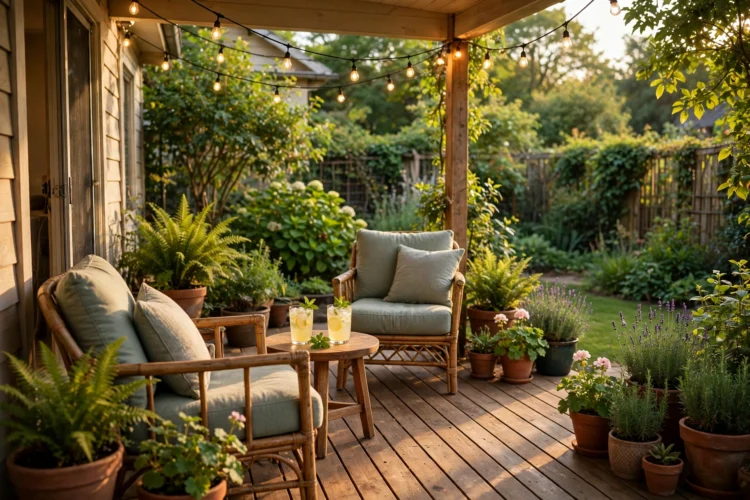
The front porch gets all the attention, but the side and back porch is where real living happens. These 9 back porch ideas turn leftover space into a private outdoor room.
The front porch gets all the attention, but the side and back porch is where real living happens. Nobody performs for the street out back. A back porch is for morning coffee, evening books, and dinners that stretch past sunset. These back porch ideas treat the side and back of the house as private outdoor rooms, not leftover space. Some need only furniture and shade. Others, like a screened porch or a sleeping porch, take more planning but pay it back every warm evening. Pick the version that fits your yard, your climate, and how your household actually spends time outside.
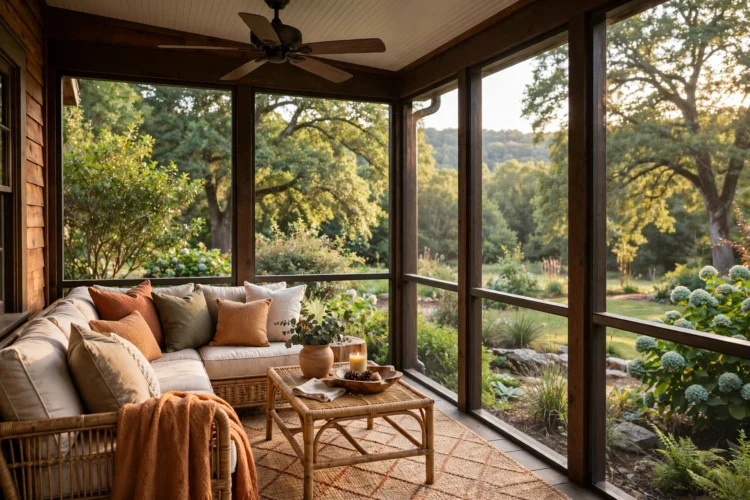
A screened porch is the most useful upgrade a side or back porch can get. Screens keep out mosquitoes and flies, so the porch stays usable through the whole warm season. Build the screen walls with removable panels if you can, so you can open the porch to the breeze in spring and close it up in summer. Inside, treat the space like a room. Add an outdoor rug, a ceiling fan, and furniture you would sit on indoors. A small table for drinks and books matters more than a big sofa, since a screened porch is usually narrow. Keep the floor easy to sweep, since screens let in dust and pollen. Wood decking or painted concrete both work, and a dark floor hides dirt between cleanings. If the porch faces a neighbor, add a lattice panel or a tall planter on one side for privacy without blocking the light.
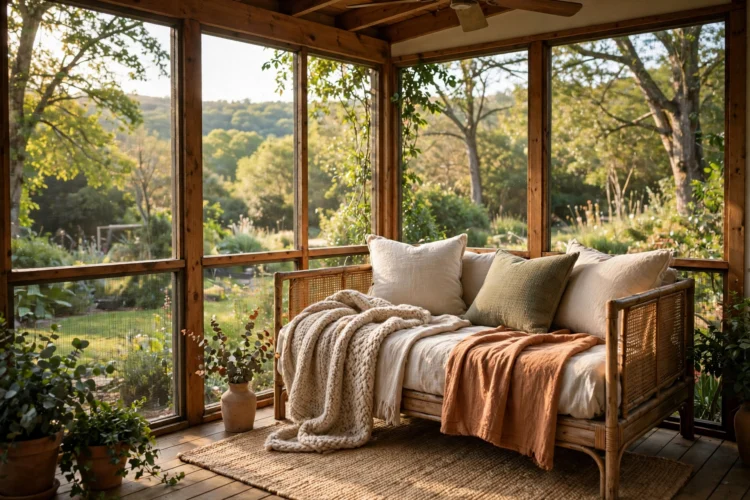
Sleeping porches were common a century ago, when families moved beds outside to escape summer heat. The idea still works, and it needs less than you might think. A screened porch with a daybed or a simple platform bed, a stack of blankets, and a fan becomes a place for afternoon naps and the occasional summer night outdoors. Choose a mattress you can cover easily, since porch air carries dust. A washable cover and a fitted sheet that stays put in a breeze are the practical details. Keep the bedding simple: a light quilt in summer, a heavier blanket for cool nights. A sleeping porch also works as a guest bed in warm months, which is a gift when the house is full. The charm is in the informality. Nobody expects a sleeping porch to look like a bedroom, and that is exactly why people love it.
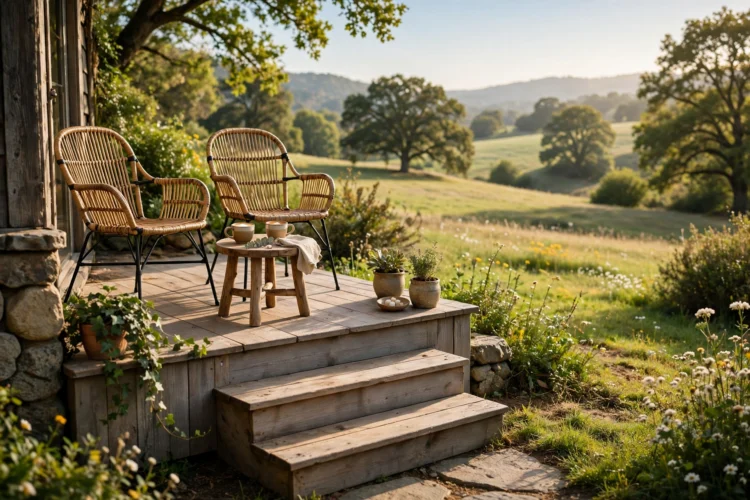
Not every house has room for a full porch. A back stoop, the small landing outside the kitchen or back door, can still become a morning ritual. Two chairs and a tiny table are enough. Add a potted plant, a wall lantern, and a hook for a mug by the door, and the stoop becomes a destination instead of a step. A stoop that faces east catches the morning sun, which is the best seat in the house before ten in the morning. Keep the surface safe: a non-slip mat, a handrail if the step is high, and a clear path to the yard. If the stoop is concrete, a coat of porch paint and a small outdoor rug soften it for very little money. The trick is treating the stoop as a room, not a threshold. Give it a job, give it a chair, and people will use it.
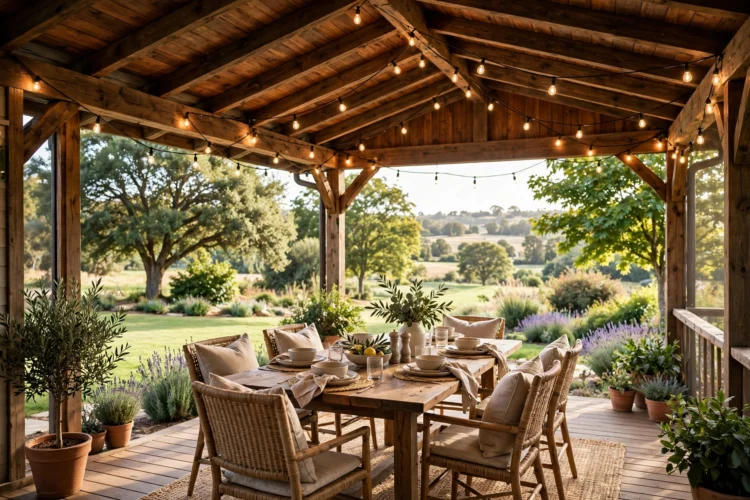
A covered back porch with a dining table turns dinner into an outdoor event. The roof matters most. A solid roof keeps the table dry in a summer shower, while a pergola gives shade but lets the rain through. Choose the solid roof if you eat outside often. Size the table for the porch, not for the guest list. A table that seats six with room to walk around it beats a table that seats ten and traps everyone. Add a bench on one side to save space, and keep the chairs light enough to move. A simple pendant light or a string of lights over the table extends dinner past sunset. Keep the table setting simple outdoors: a washable cloth, unbreakable plates, and a pitcher that stays put in a breeze. For the dining area inside, these breakfast nook ideas for sunny morning corners show how a small eating spot can become the most used seat in the house.
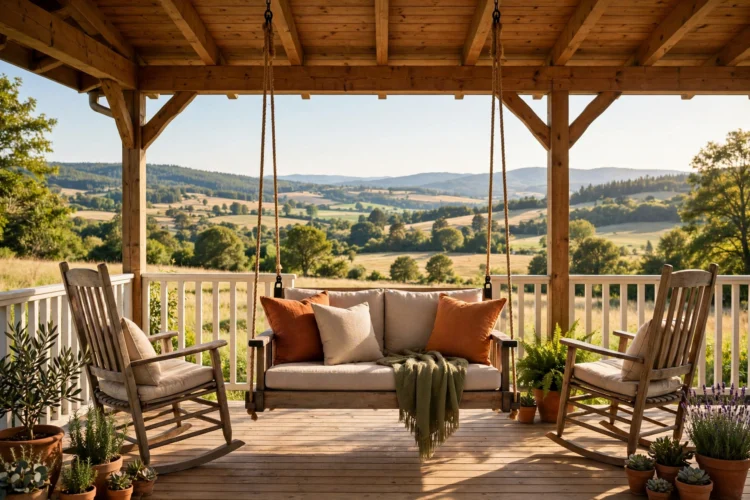
A porch swing is the single piece of furniture that says porch more than any other. Hang it from solid ceiling joists with proper hardware, never from a thin porch ceiling, and test the weight before you trust it. A swing that seats two, with a small side table for drinks, is the classic setup. Rocking chairs are the practical alternative when the ceiling cannot hold a swing. Two rockers facing the yard, with a small table between them, give the same slow rhythm with less structure. Choose chairs with wide arms, since a porch chair without an armrest is a chair nobody sits in for long. Cushions should be outdoor fabric that dries fast. A swing or a pair of rockers needs no other furniture. The movement is the point, and the porch should stay open enough for the chairs to rock freely.
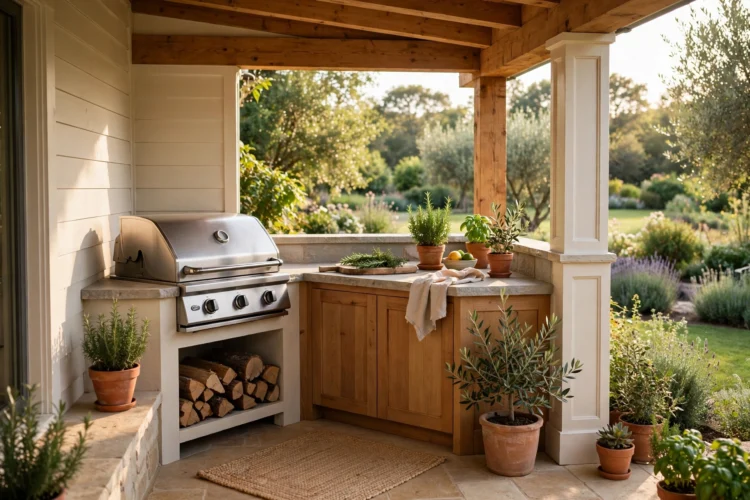
An outdoor kitchen does not need to be a full second kitchen. A corner of the back porch with a grill, a small counter, and a mini fridge covers most of what a family cooks outside. Keep the counter simple: a weatherproof surface at counter height, with storage below for tools and charcoal. A sink is a luxury, but a hose bib nearby covers the same need for most cooks. Place the grill where the smoke blows away from the seating area, not toward it. A small shelf for plates and a hook for tongs keep the cook from running inside every five minutes. Cover the counter when it is not in use, since porch dust settles fast. The goal is a cooking corner that gets used three nights a week, not a showpiece that gets used twice a summer.
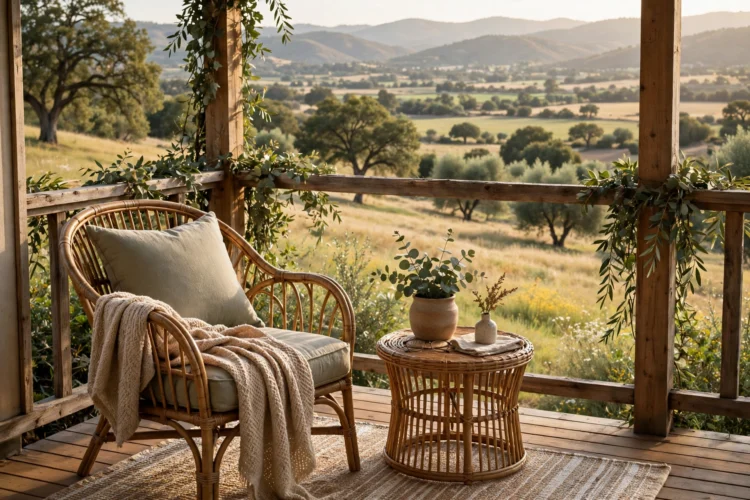
A back porch makes a natural reading nook, since it is quiet, shaded, and away from the television. The setup is simple: one comfortable chair with arms, a small side table, and a light you can read by after sunset. A wicker chair with a thick cushion works well outdoors, and a footstool turns it into a real retreat. Add a small shelf or a basket for books, so the current read is always within reach. A throw blanket in a basket nearby covers cool evenings. The best spot for a reading nook is the corner of the porch with the least foot traffic, usually the far end from the door. A tall plant or a lattice screen on one side gives the nook a sense of enclosure without building a wall. Inside the house, a window seat idea for an awkward nook creates the same kind of quiet corner, and the porch version costs even less.
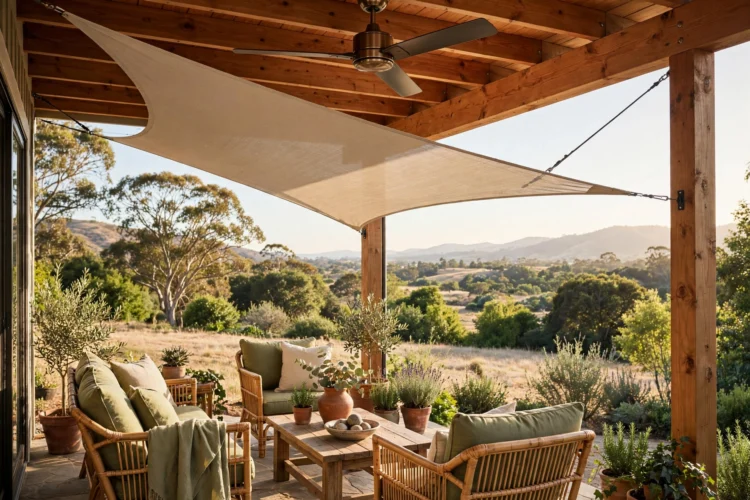
A back porch fails when it is too hot, too buggy, or too bright to sit on. Shade is the first fix. A solid roof is best, but a shade sail, an outdoor curtain, or a retractable awning can rescue a porch that only has a pergola. A ceiling fan is the second fix. It moves air, cools skin, and keeps light insects from landing. Choose a fan rated for damp locations, and mount it high enough that tall guests do not hit it. For bugs, screens are the only real answer, but citronella candles, a fan, and keeping standing water out of the yard all help. Avoid bug zappers, which kill more harmless insects than mosquitoes and add noise. Planting matters too: a row of lavender or rosemary near the porch smells good and gives the space a finished edge. For more ways to soften a hard edge with greenery, these plant room divider ideas with living greenery work as well on a porch as they do indoors.
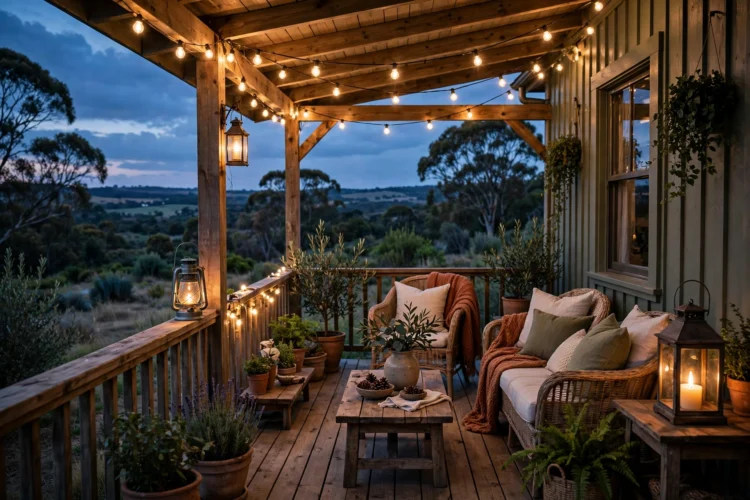
Good lighting is what turns a back porch from a daytime space into an evening room. The rule is layers: one overhead light for the table, one low light for the seating area, and one soft light for the steps. String lights are the easiest win. Hang them in a loose swag, not a tight straight line, and choose warm white bulbs that flatter skin and wood. A pendant over the dining table gives the porch a center, and a small lantern on a side table adds a glow at eye level. Keep the step light on a sensor so nobody trips in the dark. Solar lights work for paths and planters, but they are too dim for the porch itself. Use wired fixtures for the main lights and solar for the accents. When the lighting is right, the porch stays in use until bedtime, and the house feels a room bigger for half the year. The same layered thinking works indoors too, and these cozy living room ideas for relaxed evenings show how light and texture make a room feel lived in after dark.