Physical Address
304 North Cardinal St.
Dorchester Center, MA 02124
Physical Address
304 North Cardinal St.
Dorchester Center, MA 02124

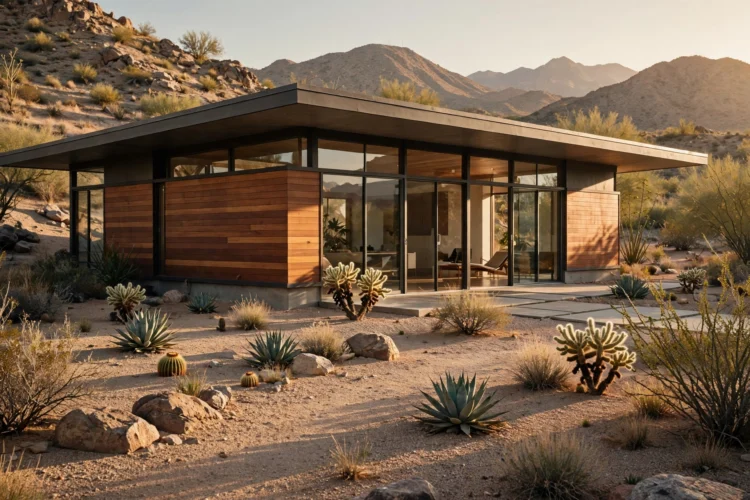
Mid-century modern exteriors still look fresh because the ideas were simple: light, honest materials, and a low horizontal line. Here is how to use them on a home today.
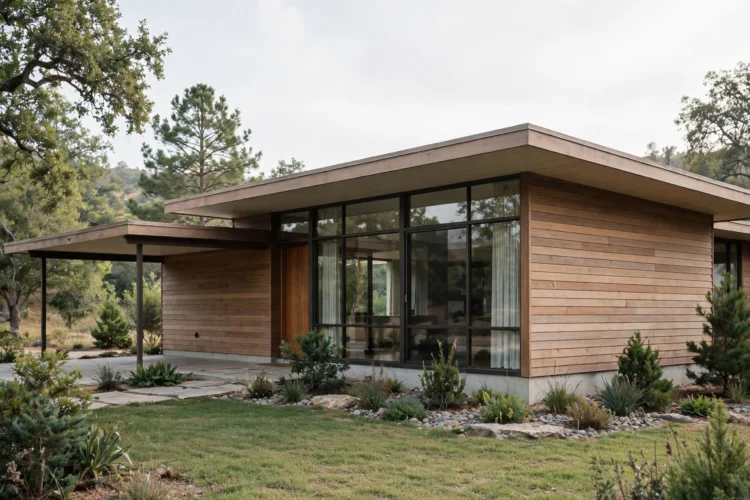
Mid-century modern houses were designed for a different way of living: open plans, big glass, and a close connection to the yard. Seventy years later, the exteriors still look fresh, because the ideas behind them were simple and honest. Mid century modern exterior ideas work just as well on a new build as on a careful update to a 1960s ranch, as long as you respect the low horizontal lines and the mix of materials that define the style.
The trick is to update without erasing what makes the style work. A breeze block screen, a band of clerestory windows, or a revived carport can bring the character back to a house that has been dulled by generic remodels. Below are eleven ideas that adapt the style for current homes, with notes on where to use them and what to avoid.
The best mid century modern exterior ideas share a few traits: a low roofline, a mix of two or three materials, and a clear line between the house and the landscape. Start by looking at your house the way a mid-century architect would. Which lines are horizontal, which materials are honest, and where does the house meet the yard? The answers point to the details worth keeping and the ones worth adding. A bold front door or slatted screen acts like an accent wall for the outside, and accent wall ideas that are not just paint show how to pick one that holds up.
Resist the urge to add ornament. The style works because it is restrained, and one strong move, like a breeze block wall or a wall of glass, does more than five small decorations. Keep the palette quiet, let one material lead, and leave some empty space on the facade so the eye has somewhere to rest.
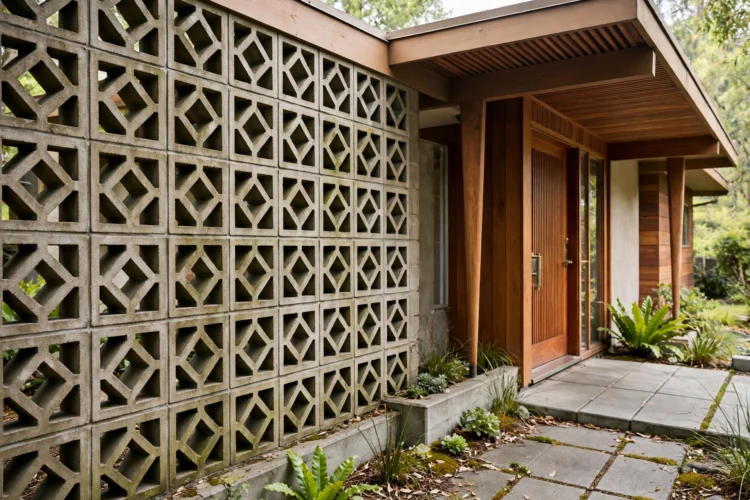
Breeze block, also called screen block, is the patterned concrete block that shows up on so many mid-century houses. Stacked into a screen wall, it gives privacy without blocking light or air, and the repeating pattern turns a plain wall into a design feature. It works as a carport screen, a courtyard wall, or a panel beside the front door.
Mid century breeze block comes in dozens of patterns, from simple squares to starbursts and waves. Choose one pattern and use it in one place, so it reads as a feature rather than a theme. New blocks are still made today, and a mason can set a screen wall in a day or two. Pair it with a simple wood gate or a plain stucco wall so the pattern has a quiet background to stand against.
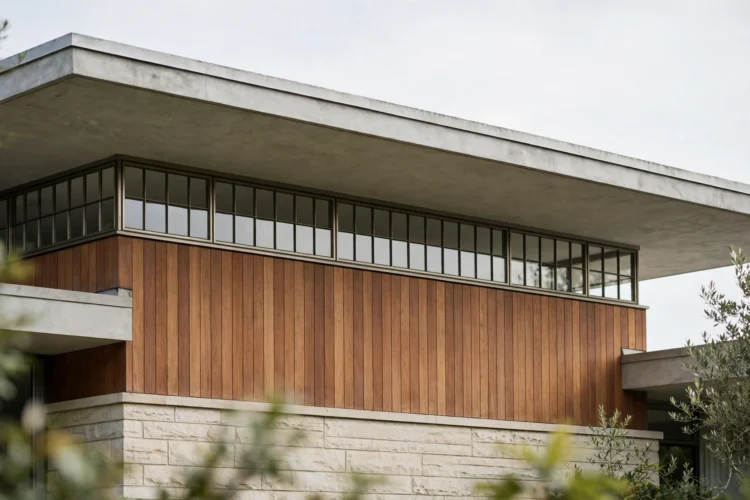
A clerestory is a band of high windows set just under the roofline. It pulls daylight deep into the house while keeping the lower walls private, which is why mid-century architects loved it. From outside, the band of glass breaks up a long wall and gives the roof a light, floating look.
Clerestory windows mid century style work best on a wall that faces the yard or the sky, not the street, so the light comes in without exposing the interior. If you are adding a clerestory to an existing house, check the roof structure first, since the band sits right where the roof meets the wall. Fixed glass keeps the cost down, and a few operable panels give you ventilation on warm days.
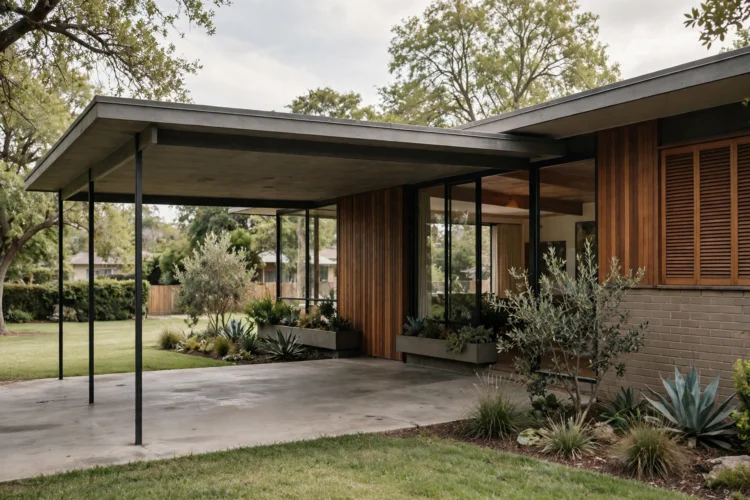
The carport is one of the most misunderstood parts of mid-century design. It was never just a cheap garage. It was an open, roofed space that let the house breathe and gave the car a sheltered spot without a heavy box on the facade. Reviving a carport means keeping it open on at least two sides and giving it a flat or very low slope roof.
Mid century carport ideas for today include a thin steel or wood roof on slim posts, a breeze block screen on one side for privacy, and a storage wall at the back for bikes and tools. Keep the roofline level with the house roof or slightly lower, so the carport reads as part of the house rather than an add-on. A carport also suits the same kind of clean outdoor storage thinking behind slatted wood divider ideas, where open slats give privacy without closing off the space.
The flat or low slope roof is the most visible mid-century move, and the one that scares owners most. A well built low slope roof with modern membranes and good drainage performs fine in most climates, and it gives the house its characteristic horizontal line. If a fully flat roof feels risky, a very low slope reads the same from the street and sheds water better. Small exterior updates go further than a full redo, which is why small-budget home facelifts room by room start with paint, lighting, and hardware.
When you re-roof, keep the fascia thin and the overhang generous. A thick fascia makes the roof look heavy, while a thin one keeps the line crisp. Paint the fascia to match the roof or the trim, and keep gutters minimal or hidden where code allows. The same restraint pays off inside, where ceiling makeover ideas show how a simple finish keeps a low room feeling open. The roofline is the first thing people see, so getting it right matters more than any single detail below it.
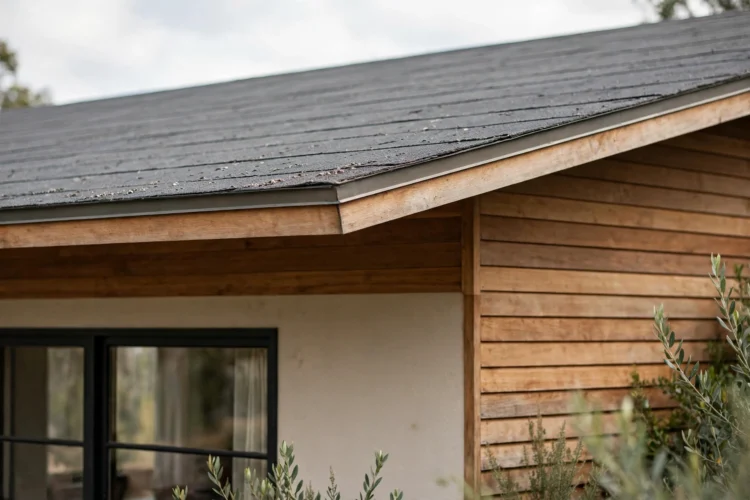
Mid-century houses mix big glass with solid panels of wood, brick, or stucco. The contrast is the point: the glass opens the house to the yard, while the solid panels give it weight and privacy. A wall that is all glass feels exposed, and a wall that is all solid feels closed. The mix is what makes the style livable.
If you are adding glass, use it where the view is best, usually the backyard or a courtyard, and keep the frames slim and dark. Pair the glass with a solid panel in a warm material, such as vertical wood siding or a brick wall, so the facade has something solid to balance the transparency. Inside, the same mix appears in glass partition ideas, where a glass panel divides a room without blocking the light.
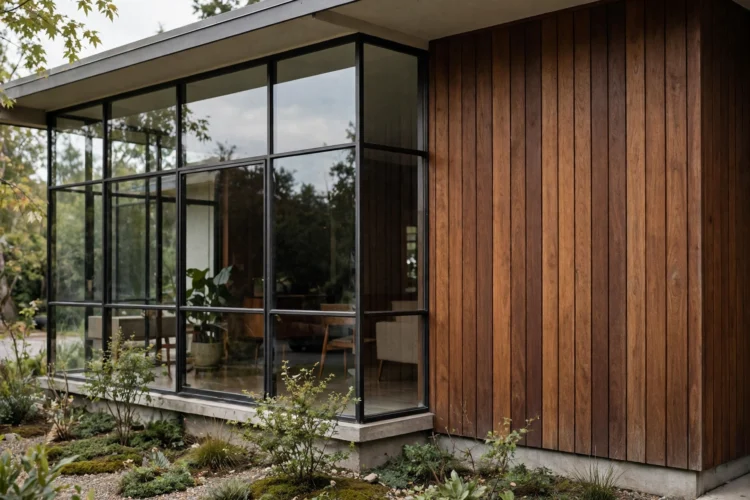
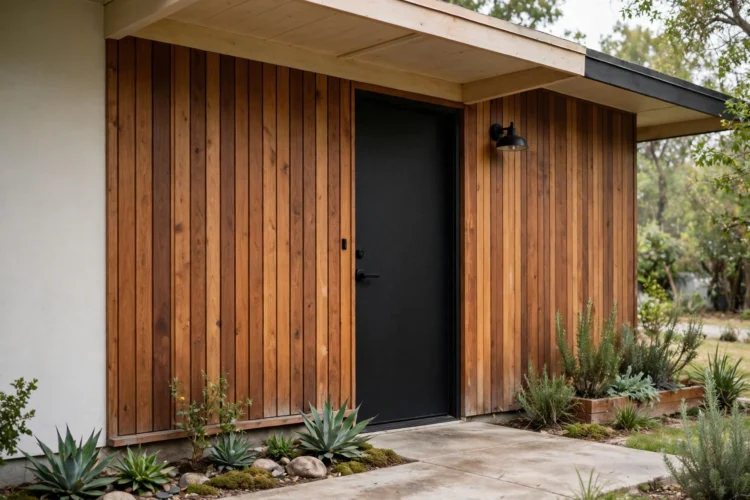
Wood warms up a mid-century facade the way nothing else can. A vertical wood entry wall, a warm wood front door, or a wood soffit under the roof overhang all bring a natural tone to a house that might otherwise read as all glass and stucco. Teak, walnut, and cedar are the classic choices, and modern wood look materials can give the same tone with less upkeep.
Keep the wood to one or two places so it stays special. A wood entry wall beside a stucco wall, with a simple black door handle and a single porch light, is a complete entry composition. Oil or seal the wood on schedule if it is real timber, since the entry takes the most weather and the most wear.
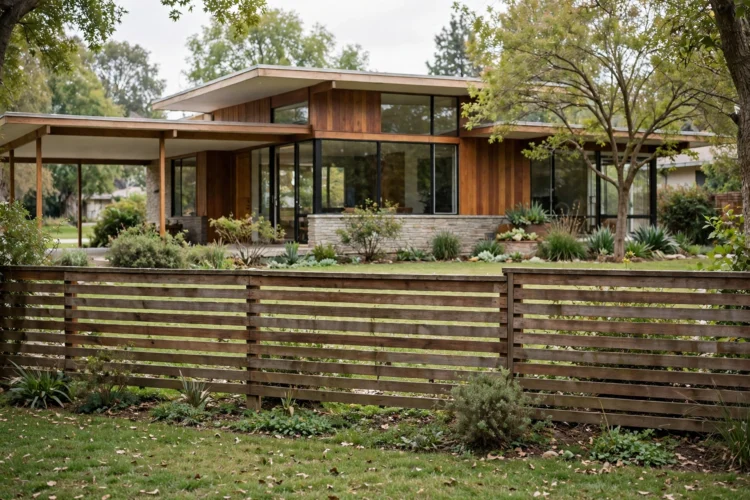
A low horizontal fence suits a mid-century house better than a tall picket fence. Horizontal boards echo the lines of the roof and the siding, and a fence that is waist to chest high marks the boundary without hiding the house. It gives the front yard a finished edge while keeping the house visible from the street.
Build the fence in wood or a wood look material, with slim boards and small gaps for air. A horizontal fence also works as a backdrop for planting, since shrubs and grasses look good against a clean line of boards. Keep the gate simple, with the same boards and a plain black latch, so the whole fence reads as one quiet piece of design.
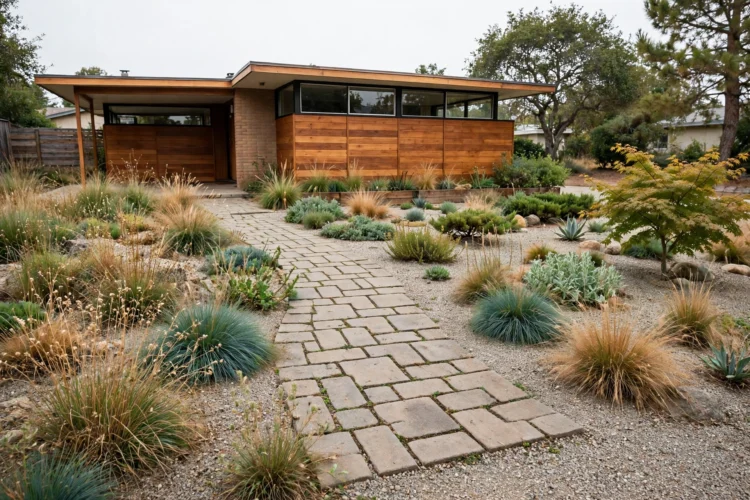
Mid-century landscaping is simple and geometric. A few sculptural plants, a bed of gravel or river rock, and a lawn kept to a clean shape will do more than a busy flower garden. Ornamental grasses, agave, and small evergreens suit the style, and they need little water once established.
Use the planting to frame the house rather than hide it. Keep shrubs low near the windows so the glass stays clear, and put a single specimen tree where it can anchor the front yard. A concrete paver walk with wide joints reads more mid-century than a curved brick path, and it ties the entry to the street in a straight, confident line. Clerestory bands and flat planes need the right interior ceiling treatment, covered in ceiling makeover ideas beyond basic white.
Mid-century modern exteriors reward restraint. One breeze block screen, one band of clerestory glass, and one warm wood entry wall will do more for a house than a dozen small decorations. Update the parts that have worn out, restore the parts that make the style, and let the low lines and honest materials speak for themselves. The style has lasted seventy years for a reason, and a careful update will last another seventy.