Physical Address
304 North Cardinal St.
Dorchester Center, MA 02124
Physical Address
304 North Cardinal St.
Dorchester Center, MA 02124

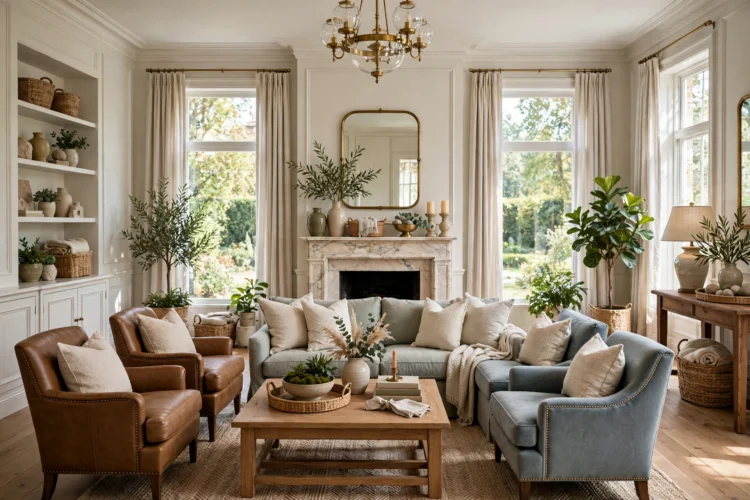
A formal living room can look polished and still get used every day. These 11 ideas keep the classic feel while adding comfort, soft texture, and room to move.
Formal living room ideas often sound like a set of rules for a room nobody sits in. The sofa stays covered, the chairs stay straight, and the whole space feels more like a display than a place to read, talk, or have coffee. It does not have to work that way. A formal room can keep its calm lines and classic pieces and still welcome people in. The trick is to treat comfort as part of the design, not as something that ruins it. Pick pieces with structure, add soft layers where your body meets the room, and leave enough open floor to move without thinking about it. The ideas below do that one choice at a time, so you can keep the polish and lose the stiffness.
Start with the seats, because that is where a formal room usually fails. A sofa with a straight back and firm cushions can still feel good if the seat depth fits an adult and the cushions have some give. Sit in it the way you would at home, with your feet on the floor and a book in your lap, not perched on the edge like a guest. If the seat is too deep, add a lumbar cushion behind you. If it is too shallow, a soft throw folded at the back gives you support without changing the look.
Chairs matter just as much. Two matching chairs facing the sofa make the room feel balanced, and they give people a clear place to sit and talk. Keep the chair frames classic and the fabric practical. A tight weave in a mid tone hides daily wear better than pale silk, and it still reads as elegant living room decor when the lines are clean.
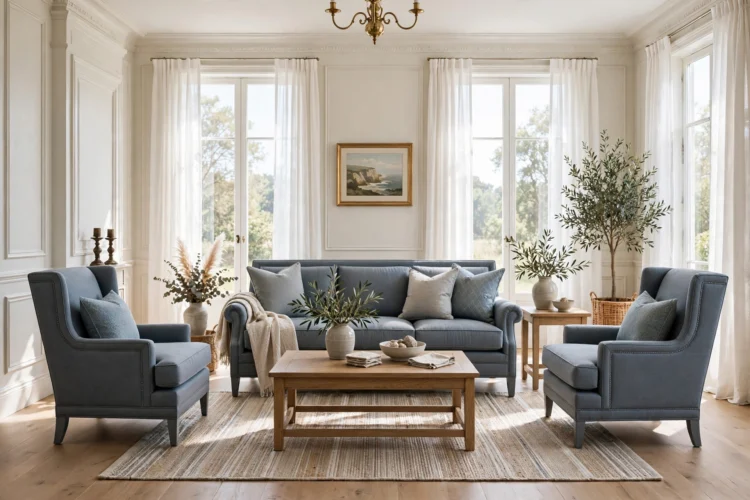
A formal sofa needs a clear shape. Look for a straight or gently rolled arm, a visible wood or metal leg, and cushions that hold their line when nobody is sitting on them. That structure is what makes the room feel intentional instead of casual. It also gives you a frame to soften, which is where the comfort comes in.
Soften it with a linen-look throw draped over one arm, two cushions in different textures, and a lumbar pillow in a plain colour. Keep the palette close to the sofa so the additions feel calm, not busy. A classic living room design works best when the soft pieces look chosen, not piled on, so stop at three or four items and let the sofa shape show.
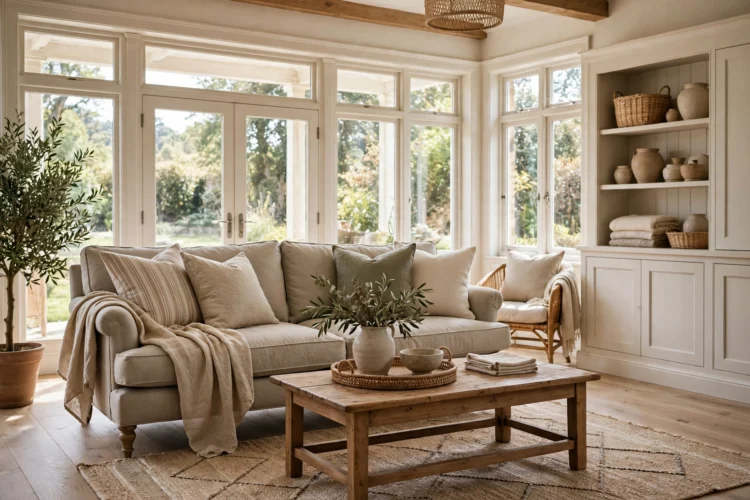
One large rug does more for a formal room than a set of small ones. It anchors the seating group, quiets the floor, and tells everyone where the room actually happens. Choose a rug big enough that the front legs of the sofa and chairs sit on it. A rug that floats in the middle makes the furniture look scattered, even when the pieces are expensive.
Pattern is fine, but keep it low contrast if the room already has patterned curtains or art. A faded Persian style rug, a subtle stripe, or a plain wool rug in a warm neutral all work. The rug should feel good under bare feet too, so check the pile height before you buy. A thin rug over a hard floor still feels cold, no matter how good it looks.
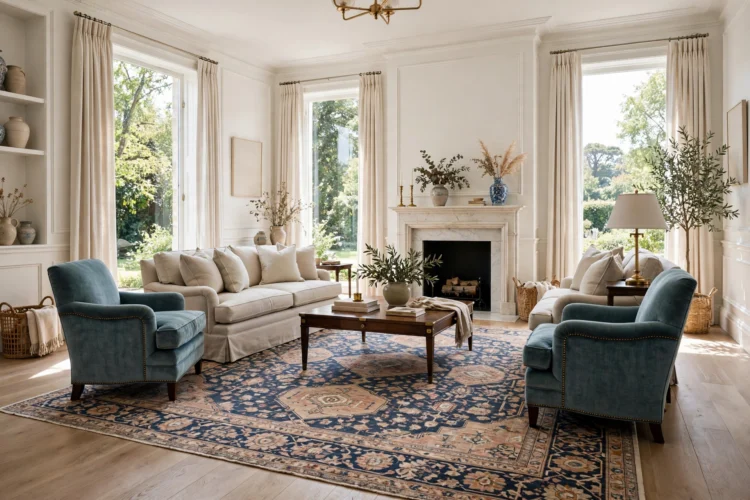
Symmetry is the quickest way to make a room feel formal. Matching lamps on either side of a sofa, matching chairs, and a centred coffee table all give the eye a calm order to follow. That order suits a front room, and it makes the space feel settled the moment you walk in.
Break the symmetry once so the room does not feel like a showroom. Put a tall plant on one side only, hang one piece of art off centre, or use a different cushion on one chair. One clear break is enough. It gives the room a human touch and keeps the classic living room design from feeling rigid, while the rest of the layout stays calm and balanced.
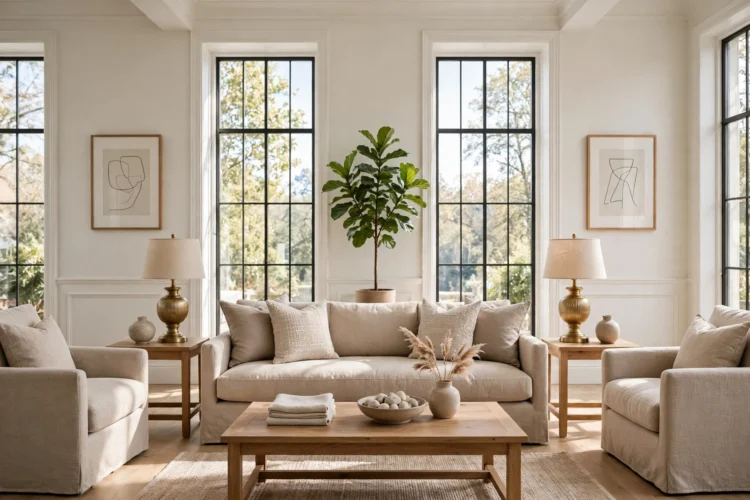
A coffee table in a formal room often ends up too precious to use. Pick one at knee height, with a surface you can set a cup on without hunting for a coaster every time. Wood, stone, or a lacquered top all work, as long as the edge is smooth and the table does not wobble when you lean on it.
Keep the top simple: one stack of books, one small vase, and one empty stretch of surface. That empty space is the point. It says the table is for use, not just for looking at. Leave at least 40 centimetres between the table and the sofa so knees clear it and people can stand up without shuffling sideways.
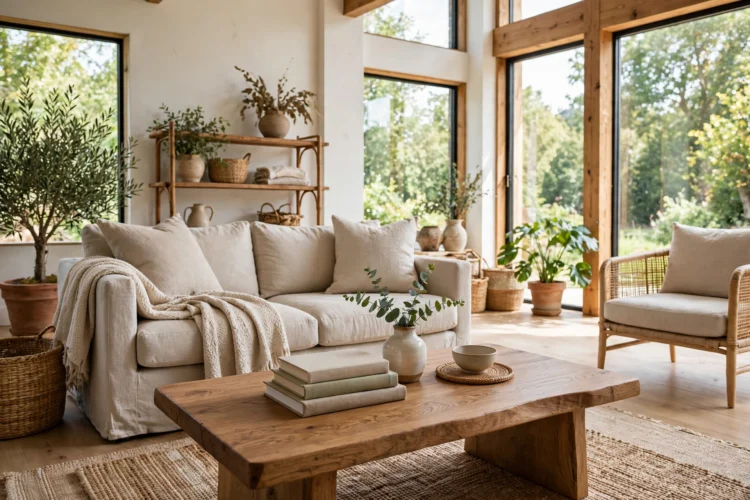
One ceiling light flattens a formal room and makes everyone look tired. Lamps at three heights fix that. A floor lamp beside a chair, a table lamp on a side table, and a low lamp or candle on the coffee table give the room pools of warm light instead of one harsh wash from above.
Use warm bulbs and shades that spread light sideways, not straight down. Turn the lamps on in the late afternoon and see which corners stay dark, then move a lamp there. Layering your lighting this way also lets you change the mood without changing the furniture, bright for reading and low for an evening talk.
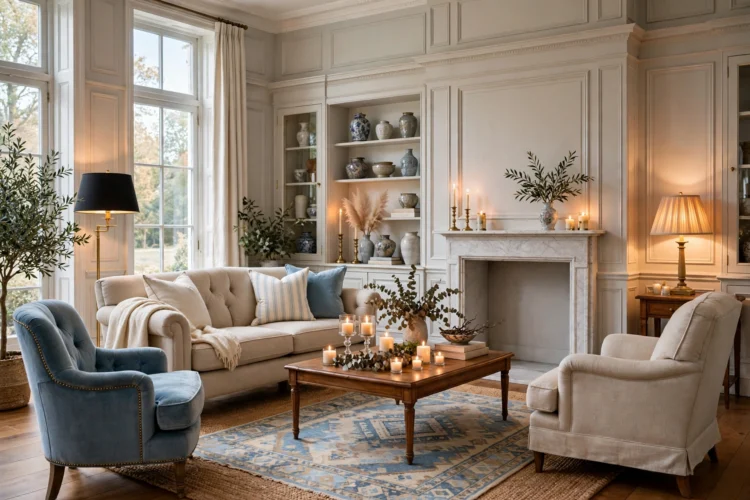
Art gives a formal room its personality, but only if it hangs at eye level and fits the wall. A small frame lost on a wide wall makes the room feel unfinished, while a piece that fills two thirds of the wall width above the sofa feels deliberate. Measure the wall, then choose art to fit it, not the other way round.
A single large piece suits a calm room, while a small group suits a room with more pattern. If you go with a group, keep the frames close in tone and leave even gaps between them. A well planned gallery wall can hold family photos and prints together, and it turns a blank wall into the part of the room people actually look at.
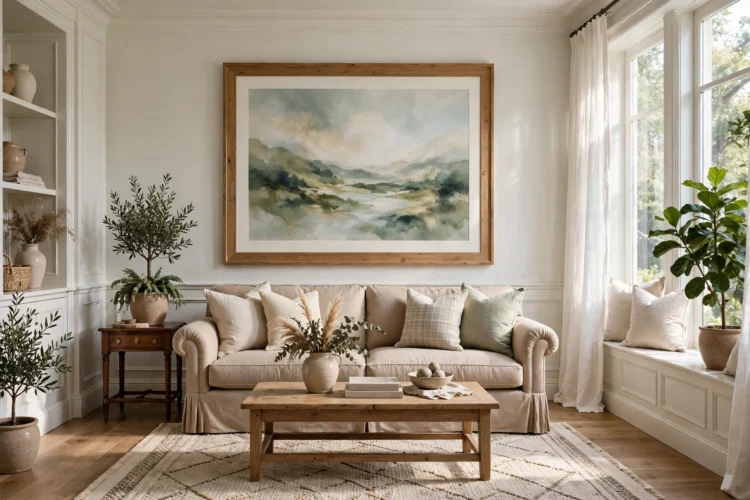
Matching every wood tone in a room makes it feel like a furniture set, not a home. Mix a dark wood coffee table with lighter chair legs, or pair a walnut sideboard with oak picture frames. The tones should sit in the same warm or cool family, but they do not need to be identical.
Repeat each tone at least twice so the mix looks planned. A dark table and a dark lamp base, for example, balance each other across the room. If a piece feels out of place, move it to the other side of the room before you decide to replace it. Distance often fixes what looks wrong up close.
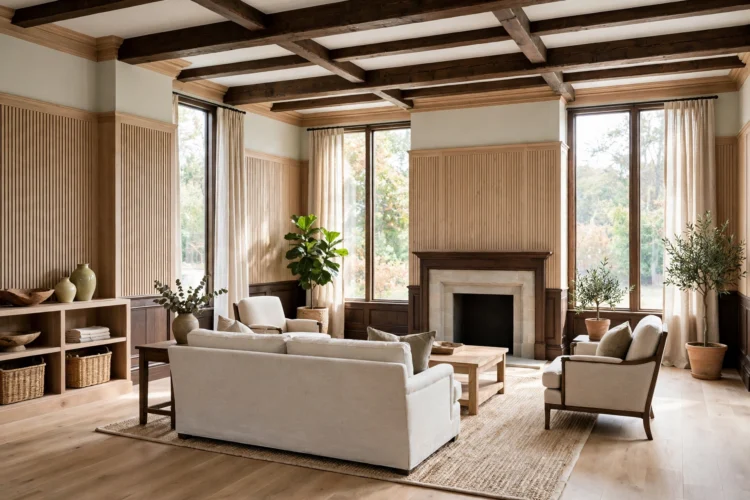
Every formal room needs one chair that invites a person to sit alone with a book. Put it near a window or a lamp, with a small table beside it for a cup and a book. That single spot changes how the room gets used, because it gives one person a reason to be there without a full conversation.
A chair with a high back and a firm seat works best, and a footstool makes it complete. This is the corner where a formal sitting room earns its keep, and it is worth spending a little more on the chair here than on a matching pair elsewhere. Choose accent chairs with a clear shape and a fabric you like to touch, since this is the seat you will use most.
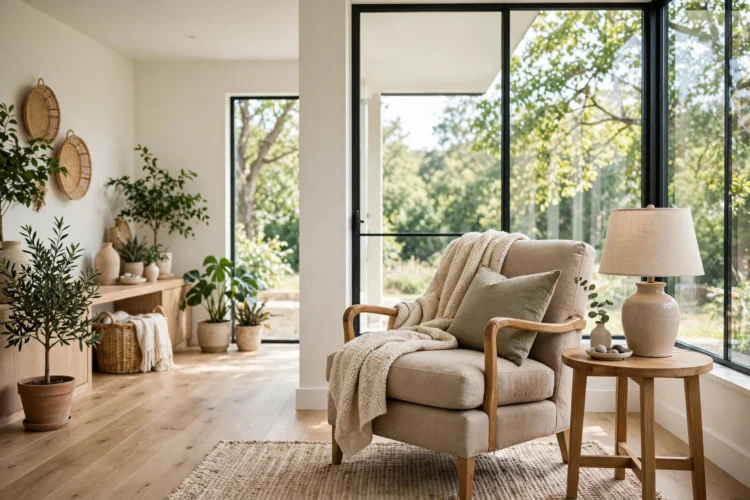
Formal rooms look best when the colour stays calm. Two or three colours, repeated across the room, give the space a settled feel. A warm white wall, a deep green sofa, and brass or wood accents can carry a whole room without another colour competing for attention.
Texture adds the interest that colour holds back. Mix smooth leather with nubby wool, shiny brass with matte ceramic, and crisp linen with soft velvet. A neutral living room palette stays interesting when each surface feels different to touch, and it is far easier to live with than a room that relies on bold colour alone.
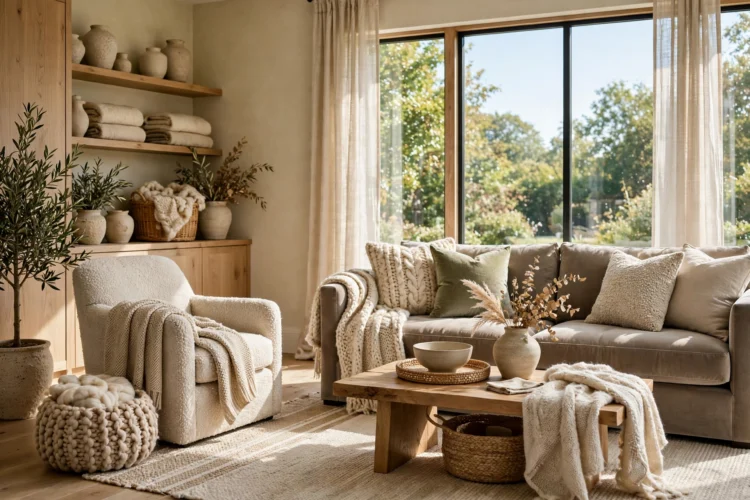
A formal room needs clear paths. Leave a wide walk from the door to the main seat, and keep the route between chairs open enough that nobody has to turn sideways. When the paths are clear, the room feels larger and calmer, even if the furniture itself is large. That is one of the simplest formal living room ideas to try first, because it costs nothing and changes how the room feels at once.
Stop adding pieces once the room does its job. A comfortable formal living room has a place to sit, a place to set a cup, light to read by, and something worth looking at. If a new object does not add one of those things, leave it out. The room will feel finished sooner, and it will stay that way because every piece in it earns its place.
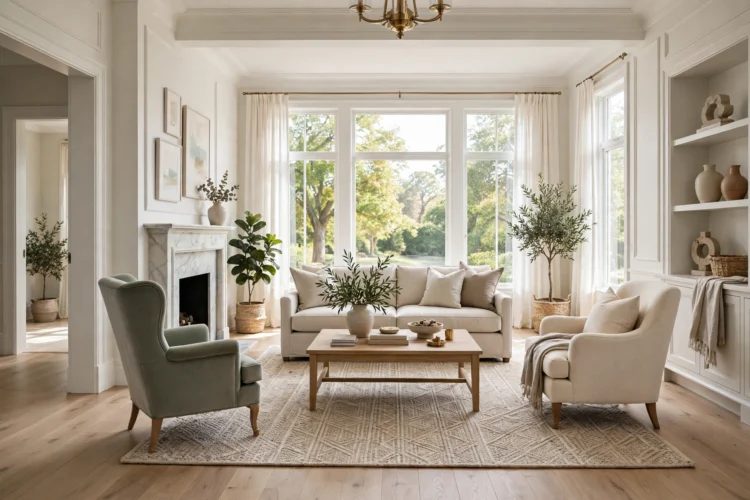
Pick one idea from this list and try it this weekend. Move a lamp, swap a cushion, or clear a path, then sit in the room and see how it feels. These formal living room ideas do not need a full redo to feel livable. It needs a few honest choices about how people actually use it, and the rest of the polish will follow.