Physical Address
304 North Cardinal St.
Dorchester Center, MA 02124
Physical Address
304 North Cardinal St.
Dorchester Center, MA 02124

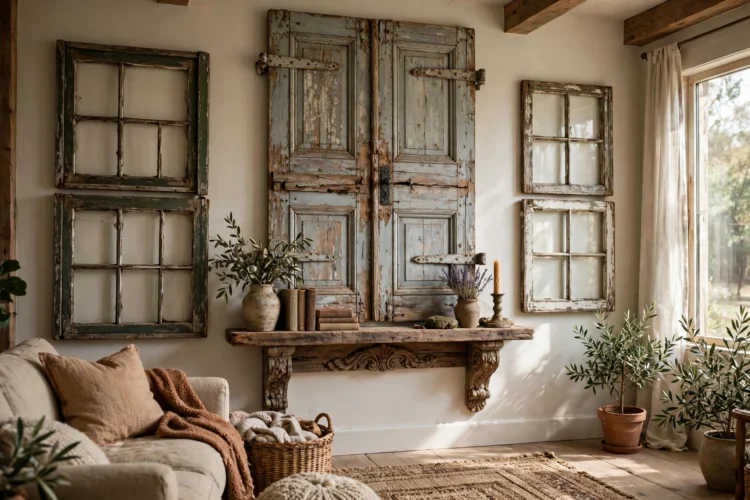
Old buildings hold beautiful pieces that deserve a second life. These 12 architectural salvage decor ideas show where to put salvaged pieces and what to check before you buy.
Architectural salvage decor starts with a simple idea: old buildings hold beautiful pieces that deserve a second life. A door from a demolished schoolhouse, a corbel from a torn-down theater, or a transom window from a century-old storefront can carry more character than anything new from a showroom. Salvage also keeps good material out of the landfill, which matters when the piece is old-growth wood or hand-cast iron that cannot be made the same way today. The trick is choosing pieces with honest wear and a clear job in your home. These 12 architectural salvage decor ideas show where to put salvaged pieces, how to make them work, and what to check before you buy.
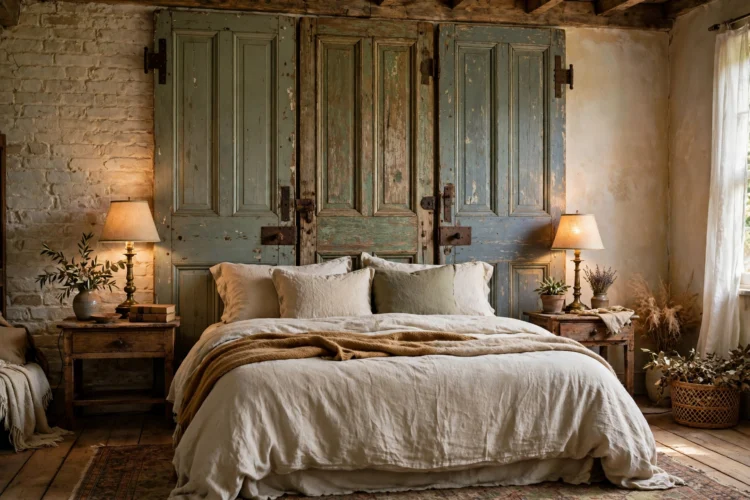
A solid wood door is the most versatile piece in any salvage yard. Two matching doors make a dramatic headboard: mount them side by side on the wall, add a simple shelf across the top, and the bed gains instant architecture. A single door laid flat on trestle legs or a pair of sawhorses becomes a dining table or a desk with a story. Paneled doors work best, since the panels give the eye something to follow, but even a plain slab door gains charm with its original hardware left in place. For an open floor plan, hinge three narrow doors together as a folding screen. Leave the chipped paint and the old knob holes. They are the point. If the door needs a refresh, these spray paint makeover ideas for dated decor can update a salvaged piece without hiding its age.
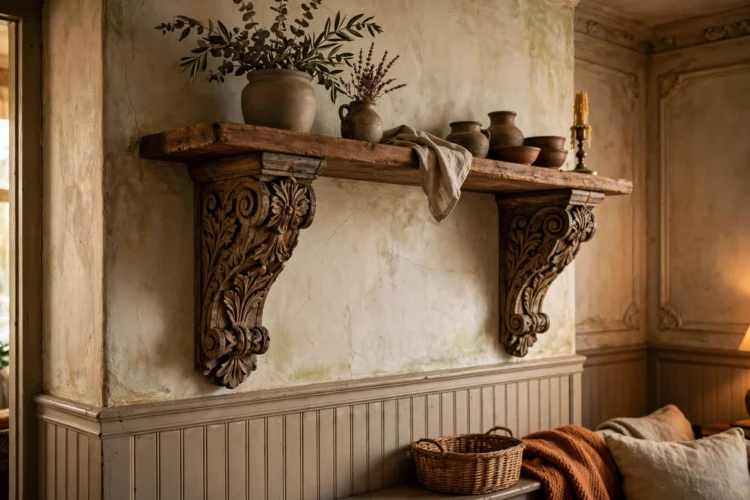
Corbels are the carved brackets that once held up mantels, shelves, and rooflines, and they are small enough to use anywhere. A pair of matching corbels under a wood plank makes a shelf with real presence, far more interesting than a plain metal bracket. A single large corbel works as a bookend on a deep shelf, or as a doorstop with more personality than it needs. Small corbels can hold a candle or a tiny plant. Look for solid wood with crisp carving and no rot at the mounting edge. A coat of wax, not paint, keeps the detail visible. If the carving is very ornate, let the corbel stand alone rather than crowding it with other decor. One carved piece per shelf is usually enough.
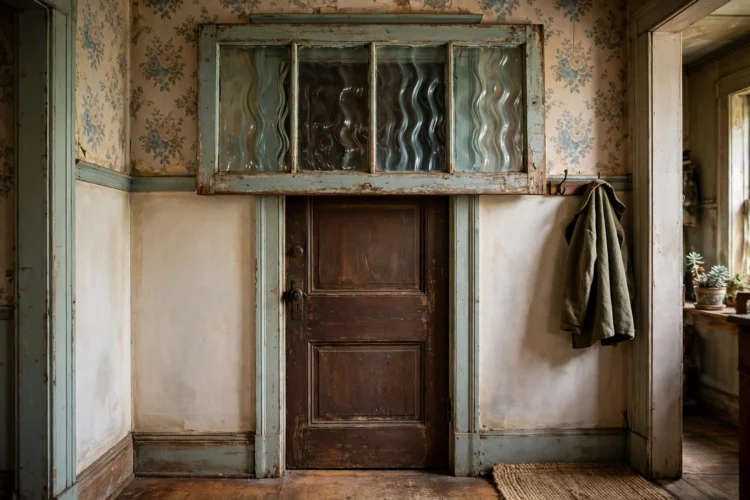
A transom is the small window that once sat above a door, and it is one of the smartest salvage pieces to reuse. Mount a transom above an interior doorway to borrow light from a bright room into a dark hallway. Hang one in front of a window as a second layer of glass, where it catches light and throws soft color into the room. Old transoms often keep their wavy original glass, which bends light in a way new glass cannot copy. Check the glazing before you hang one. Loose putty is an easy fix with a putty knife and a fresh bead, but a cracked pane needs a glazier. Keep the original frame and hardware if you can. A transom with its brass latch still attached tells its history at a glance.
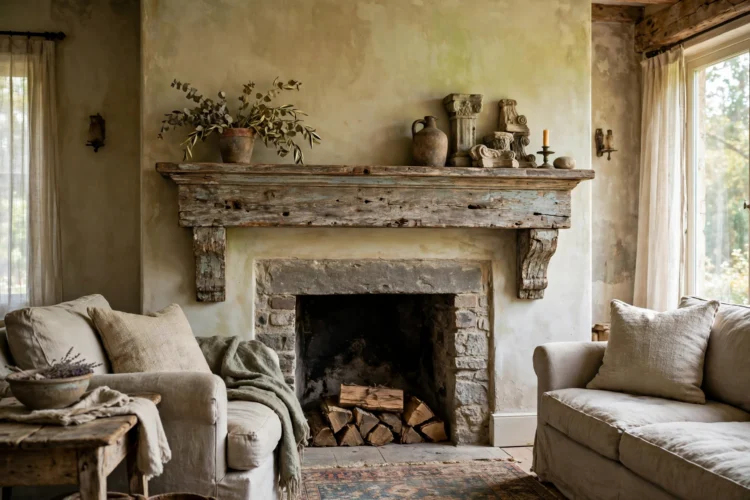
A salvaged mantel is the fastest way to give a plain wall a focal point. Even without a fireplace behind it, a mantel frame mounted on the wall anchors a mirror, a row of candles, or a collection of framed art. Measure twice before you buy. Mantels are heavy and sized for the room they came from, so a piece that is too wide will crowd a small wall. Check the back for a flat mounting surface and look for a mantel with its original tile or marble insert intact, since matching it later is hard. Clean it with a soft brush and mild soap, and leave the patina alone. A mantel that looks too new loses the reason you bought it. If you want to build a whole look around secondhand finds, these thrift store furniture flips worth the effort show how rescued pieces become the best pieces in a room.
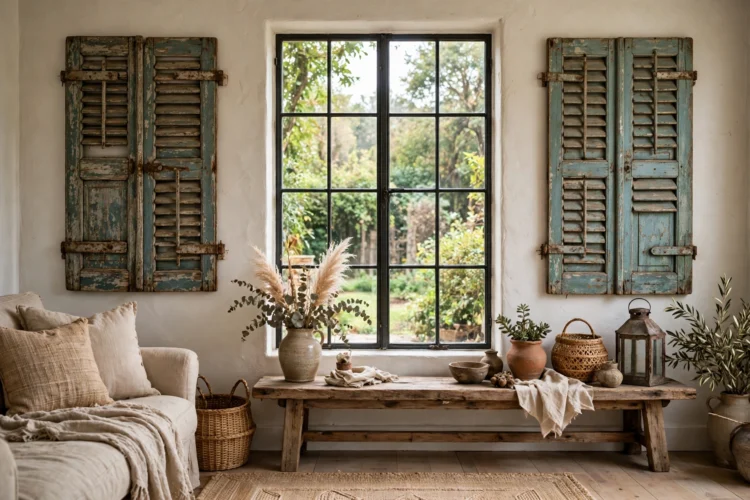
Old shutters and carved panels make wall art that needs no frame. A pair of tall shutters flanking a window adds height and rhythm to a wall, and a single shutter leaned in a corner fills an awkward gap with almost no effort. Painted panels from old wainscoting work as a headboard or as a backdrop for a console table. When you hang them, use real wall anchors rated for the weight, since old wood is denser than it looks. Keep the finish as found when the wear is even and attractive. If one shutter is far more worn than its mate, a light sanding and a single coat of paint evens them out without erasing the grain. Group shutters in odd numbers for a collected look, and leave breathing room between pieces.
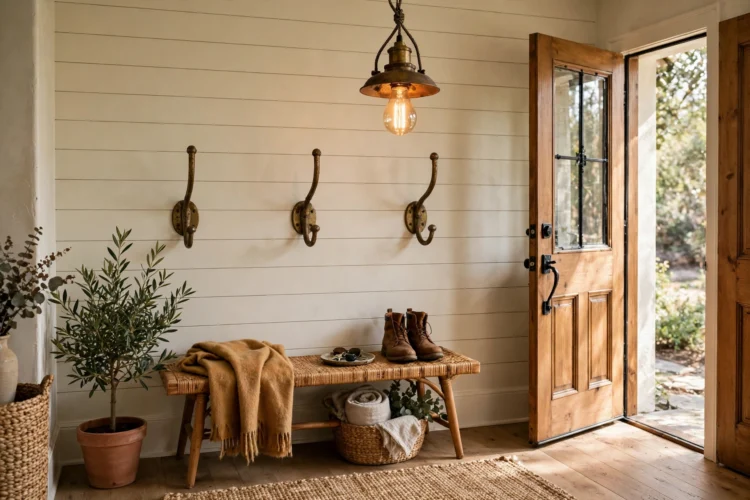
Small salvage pieces often make the biggest difference. Old brass hooks, iron bin pulls, and porcelain knobs can replace plain modern hardware on cabinets, doors, and drawers. A row of mismatched hooks by the back door becomes a coat rack with more character than any store-bought version. Salvaged light fixtures deserve care. Rewire any old fixture before you install it, and have an electrician check the sockets. A rewired schoolhouse pendant or a pair of sconces from an old hotel can light a room no new fixture can match. Keep one finish per room so the mix looks curated rather than random. Brass in the kitchen, black iron in the mudroom, and the house feels collected over time rather than assembled in a weekend.
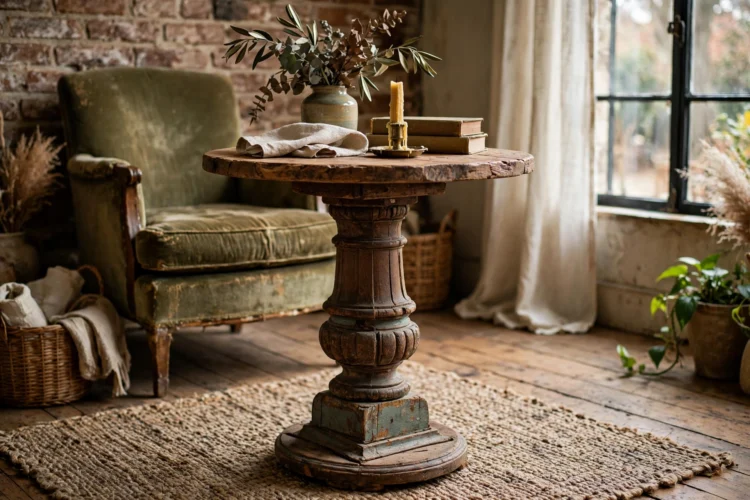
Staircases leave behind some of the best salvage: newel posts, balusters, and handrail sections with turning and carving that is expensive to reproduce. A newel post makes a striking lamp base or the pedestal for a small side table. A row of balusters becomes a drying rack, a candle holder, or the legs of a bench. A handrail section mounted on the wall works as a towel bar or a coat rail in an entry. Check each piece for splits along the grain, since stair parts carry load and a hidden crack can fail under weight. Sand the hand-contact areas smooth and leave the rest as found. These pieces carry the marks of every hand that gripped them, and that wear is what makes them worth saving. For more ways to give old pieces new jobs, these upcycled window frame decor ideas use the same thinking on a smaller scale.
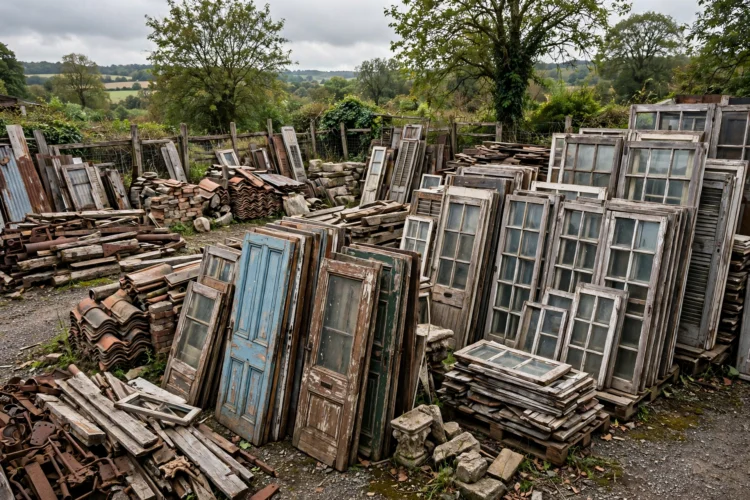
Start at architectural salvage yards, demolition sales, and estate auctions, and ask the staff what just came in. The best pieces sell fast, so regular visits beat one big trip. Online marketplaces work too, but ask for photos of the back and the edges, not just the pretty front. Before you pay, check for lead paint on anything made before 1978. A cheap test kit from a hardware store gives an answer in minutes, and a positive result means you seal the piece or leave it outside, never sand it indoors. Check for rot by pressing a screwdriver into the wood. Soft spots mean the piece is decoration only, not structure. Measure your space and your doorway before you load up. A mantel that cannot fit through the front door is a problem you want to discover at the yard, not at home. Bring a tape measure, a flashlight, and a friend, since the best salvage is always heavier than it looks. Once you know the rules, salvage hunting becomes a habit, and these DIY wall art ideas that look gallery-worthy can help you display what you bring home.