Physical Address
304 North Cardinal St.
Dorchester Center, MA 02124
Physical Address
304 North Cardinal St.
Dorchester Center, MA 02124

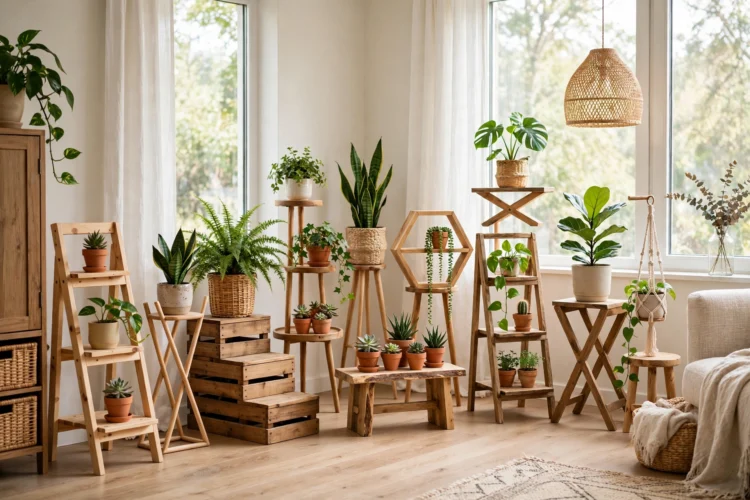
Eleven plant stand designs, from mid-century tripods to tiered and hanging stands, sized to common pots and small corners.
A plant on the floor gets stepped around and forgotten. A plant on a stand gets light, air, and attention. These DIY plant stand designs solve a practical problem first: they lift pots to window height, group plants into a display, and keep leaves off cold floors and away from pets. The eleven designs below cover mid-century tripods, tiered shelves, and hanging stands, sized to common pot sizes from 4-inch succulents to 12-inch floor plants. Most of them use one board, a few dowels, or a single plant hanger kit, and none of them needs a full workshop.
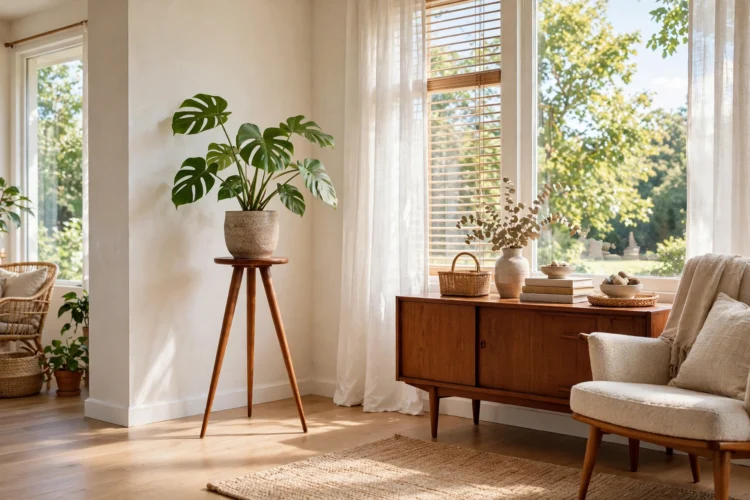
The tripod stand is three angled legs under a round top, and it is the shape most people picture when they think of a plant stand. Cut a round top from a 12-inch pine board, drill three holes at a slight angle around the edge, and glue in three dowel legs cut to 18 inches. The angle matters: legs that splay outward by about 10 degrees hold the stand steady, while legs that stand straight will wobble under a heavy pot. Sand the top smooth, stain it walnut for the classic mid-century look, and paint the legs white or brass for contrast. A mid-century plant stand like this one fits a 6-inch or 8-inch pot, which covers most houseplants, and it tucks into a corner without blocking the walkway. For rooms where greenery does the dividing, these plant room divider ideas with living greenery show how stands and tall plants can zone an open floor plan.
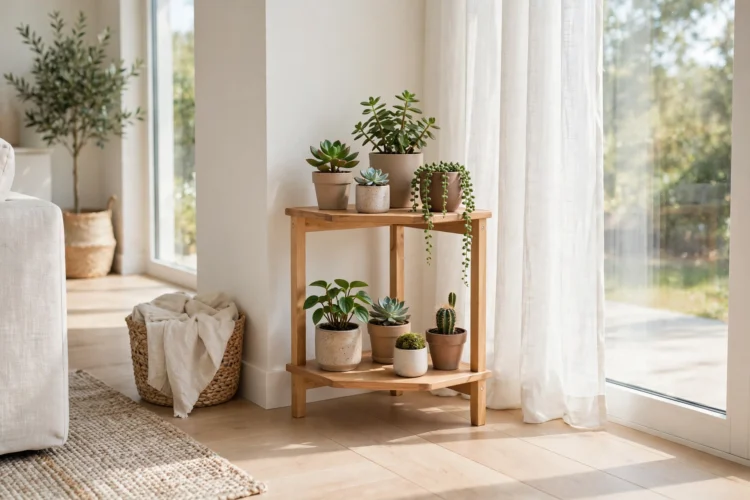
A two-tier stand stacks two shelves on four legs, and it turns one corner into a small plant shelf. Build it from two square boards, one 14 inches and one 12 inches, with legs that run the full height so the top shelf sits above the bottom one. The lower tier holds a trailing plant that spills over the edge, while the upper tier holds a compact plant that likes direct light. Keep the shelves 12 inches apart so the lower plant has room to grow upward without pressing against the shelf above. This design suits a corner that gets morning light, and it holds four to six small pots in the space of one floor plant. Paint it a single color so the plants do the talking, or stain the shelves and paint the legs for a two-tone look.
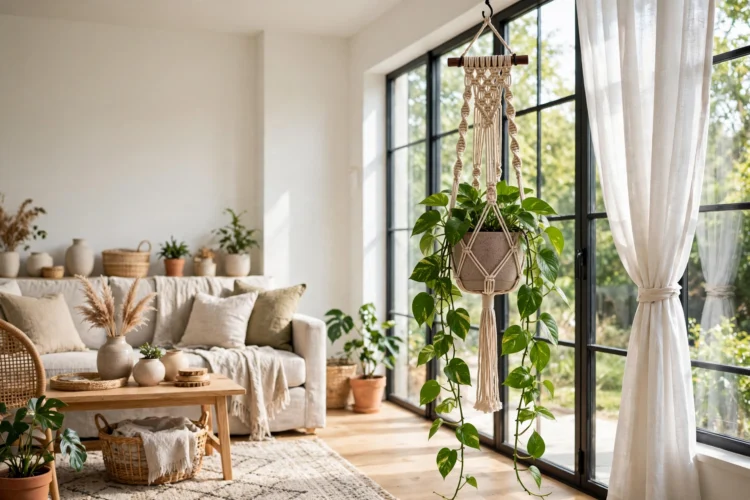
A hanging plant stand lifts a plant into the air, which suits trailing plants and rooms with no floor space to spare. A macrame hanger needs a metal ring, cotton cord, and a ceiling hook rated for at least 15 pounds, since a watered 8-inch pot weighs more than most people guess. Knot the cords in a simple square knot pattern, set the pot in the cradle, and hang the ring from a hook screwed into a ceiling joist, never just into drywall. Hang it near a window so the plant gets light from the side, and spin it a quarter turn each week so it grows evenly. A hanging stand also works in a bathroom, where humidity suits tropical plants, as long as the hook sits far enough from the shower that the plant never sits in direct spray.
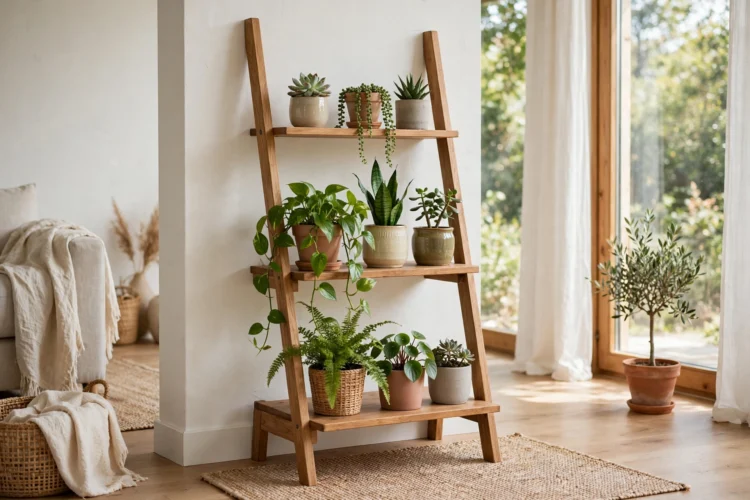
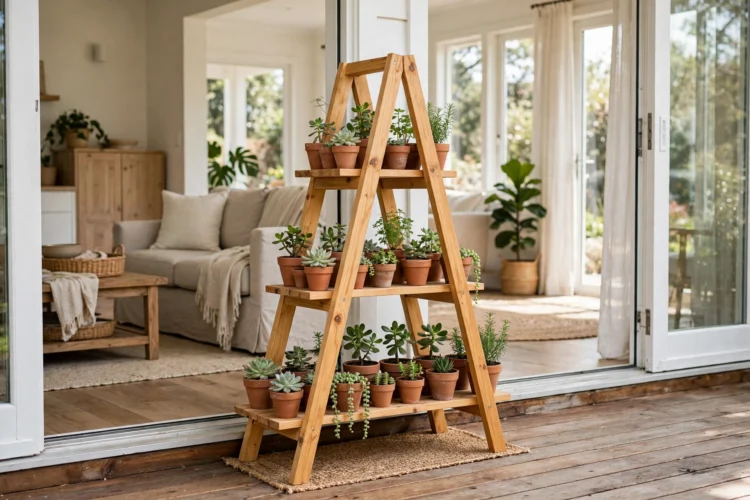
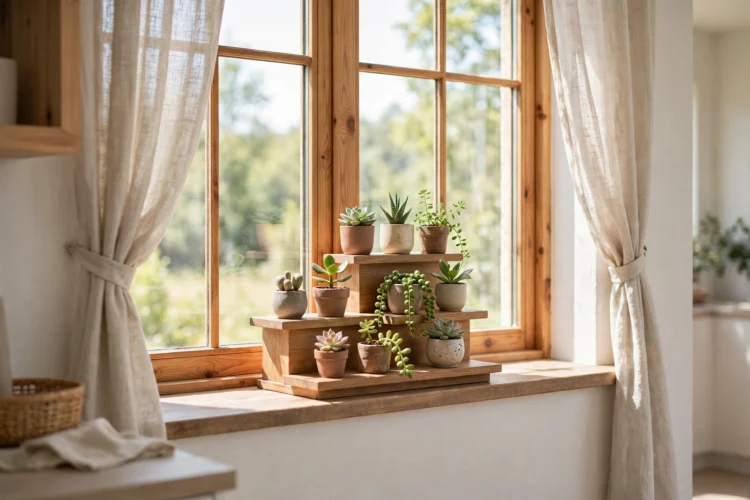
A ladder-style stand leans three shelves against the wall, each one deeper than the one above it, like a staircase for plants. Build it from three boards, 10, 8, and 6 inches deep, joined by two side rails that angle back to the wall. The bottom shelf holds the largest pots, the middle holds medium pots, and the top holds small succulents and a watering can. Because the stand leans, anchor the top rail to the wall with a small bracket so it cannot tip forward when a child or a pet bumps it. A tiered plant stand holds eight to ten pots in a footprint barely wider than a single floor plant, which makes it the best of these DIY plant stand ideas for a collector with a growing shelf of small plants.
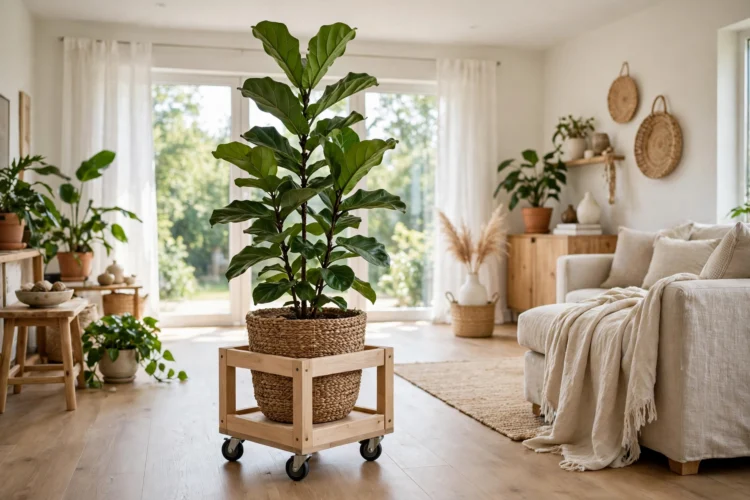
A rolling caddy is a low square platform on four caster wheels, and it solves the problem of a heavy floor plant that never moves. Cut a 14-inch square board, attach four small casters to the underside, and set a 10-inch or 12-inch pot on top. The caddy lets you roll the plant toward the window on sunny days and back into the corner when guests come over. Choose locking casters so the plant stays put once you position it, and check the caster rating: a large pot with wet soil can weigh 30 pounds or more. A caddy also protects wood floors, since the pot never sits directly on the boards and water never pools underneath it. Add a felt pad on top of the platform to stop the pot from sliding when you roll it.
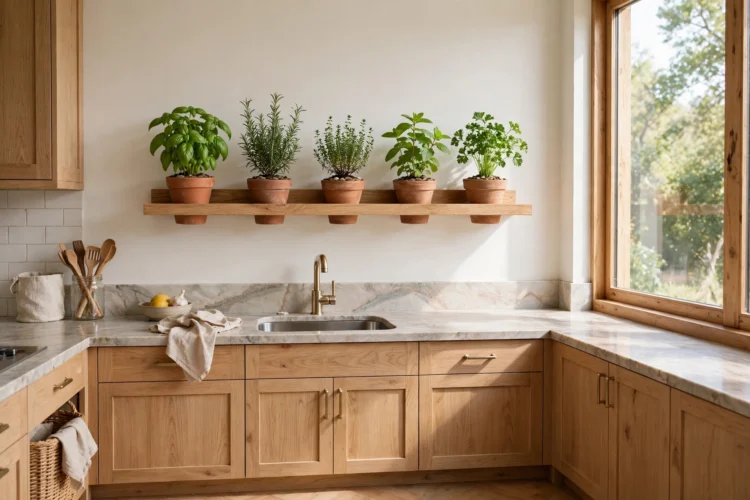
A wall-mounted shelf holds plants at eye level, which suits small rooms where the floor is already full. Mount a 24-inch board on two hidden brackets, just like a floating shelf, and set three small pots in a row. A wall shelf works best for plants that like bright light but hate cold drafts from the floor, and it keeps leaves away from pets that chew. Space the shelf 12 inches below the next one if you stack two, so the lower plants have room to grow. For a bathroom or kitchen, seal the board with polyurethane so steam and splashes do not warp it. A wall-mounted plant shelf also makes a good herb garden near a kitchen window, where you can snip basil and mint while you cook. See how a bay window can hold a whole row of plants in these bay window living room ideas for the alcove.
An A-frame stand is two leaning side panels joined at the top, with two or three shelves slung between them. Cut the side panels from plywood, angle the tops together, and rest the shelves on cleats screwed to the inside faces. The A shape is stable by nature, and it folds flat if you join the top with a hinge instead of screws. This design suits a sunroom or a covered porch, where it holds a dozen small pots in a display that looks like a market stall. Keep the shelves shallow, around 8 inches, so the plants sit close to the light and none of them hides behind the one in front. Paint the frame white for a greenhouse feel, or leave the plywood bare and seal it for a workshop look.
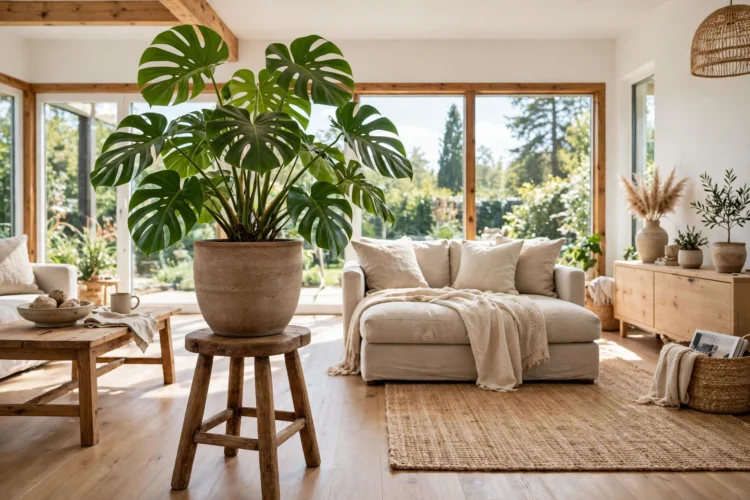
A stool-top stand starts with a wooden stool you already own and turns it into a plant pedestal. Flip the stool over, check that the legs sit tight, and sand the seat smooth. A stool seat holds a single large pot beautifully, and the height lifts the plant into the light without a dedicated stand. Group two stools of different heights in a corner and you get a tiered display for the price of zero new materials. If the stool has a woven seat, lay a round board on top first so the pot sits flat and the weave never sags under the weight. This is the fastest of the DIY plant stand ideas here: ten minutes of sanding and a plant, and the corner is done. It also works as a side table when the plant moves outside for summer.
A window sill riser is a small shelf that sits on the sill and lifts plants a few inches higher, so they catch light above the frame. Build it from a board the length of your sill, supported by two small blocks at each end, and set two or three small pots on top. The riser also creates a second row: short plants on the sill itself, taller plants on the riser behind them. Keep the total height under 8 inches so the plants never block the window latch. A mini tabletop stand is the same idea at a smaller scale: a 6-inch board on two small blocks that lifts a single succulent above the clutter of a desk or a nightstand. Both versions suit renters, since they need no holes in the wall at all. For more ways to use an awkward corner for greenery, these living room corner decor ideas for dead space show how plants fill gaps that furniture cannot.
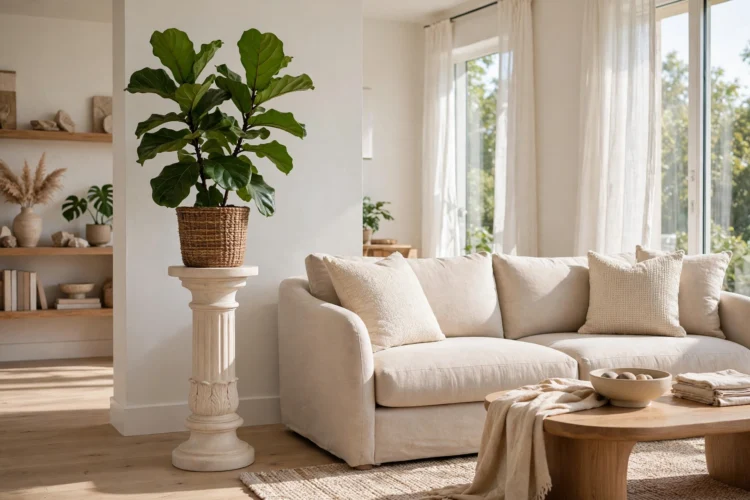
A tall pedestal stand lifts a single plant to eye level, which turns one good plant into a focal point. Build it from a square base, a central column cut from a 4-by-4 post, and a square top, all joined with wood glue and screws. A 30-inch pedestal suits a large floor plant like a fiddle leaf fig, while a 24-inch pedestal suits a medium plant in a decorative pot. Weight the base with a bag of sand inside the column if the plant is top-heavy, so the stand never tips when someone brushes past it. Paint the pedestal the wall color so the plant stands out, or stain it dark for a gallery look. A pedestal also works beside a sofa as a plant side table, holding a book and a cup of tea next to the pot. For styling ideas that make a single plant look collected rather than lonely, these living room bookshelf styling ideas show the same layering trick applied to shelves.
Match the stand to the plant, not the other way around. A heavy floor plant needs a caddy or a pedestal, a trailing plant needs a hanger or a high shelf, and a collection of small pots needs a tiered stand. Build one, live with it for a week, and the next stand you build will be better, because you will know exactly what your plants needed.