Physical Address
304 North Cardinal St.
Dorchester Center, MA 02124
Physical Address
304 North Cardinal St.
Dorchester Center, MA 02124

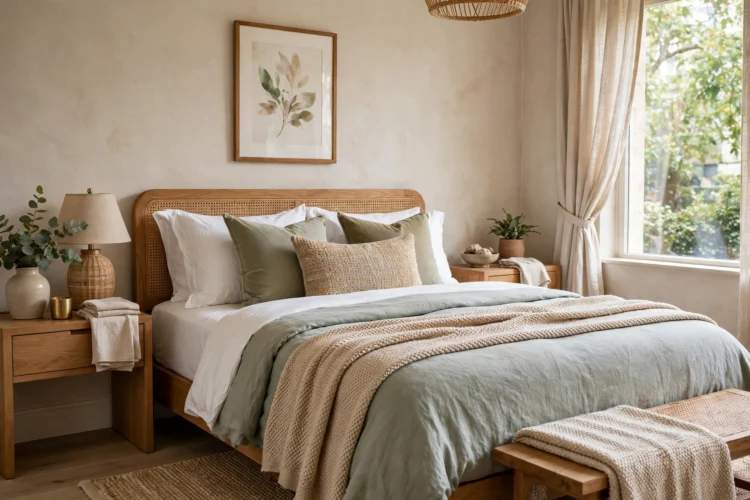
Make visitors feel truly hosted with boutique hotel details: a great bed, bedside charging, luggage space, and a welcoming bath. These ideas turn a spare room into a favorite stop.
Guest room ideas work best when you think like a host, not a decorator. A guest who sleeps well, finds a towel without asking, and charges a phone by the bed will remember the stay fondly, even if the room is small. Boutique hotels win guests with small thoughtful details, not expensive furniture, and you can borrow those details at home. These 10 ideas cover the bed, the bedside, the bath, and the little touches that make visitors feel genuinely hosted.
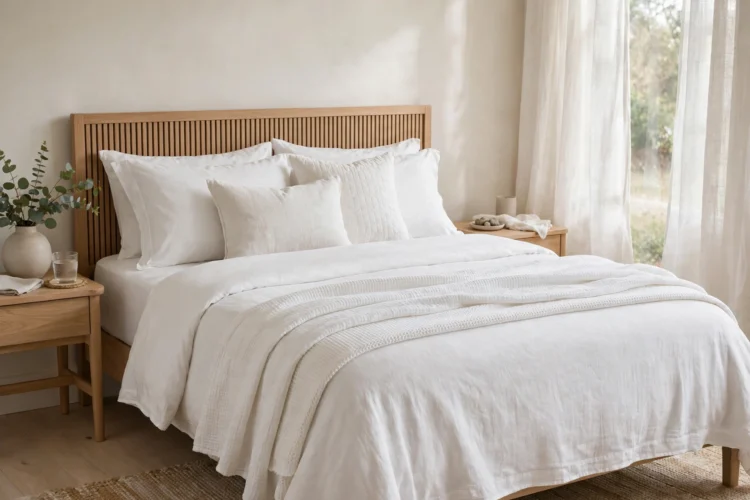
A boutique hotel guest room starts with the bed, and so should yours. Use a supportive mattress, a mattress protector, fresh cotton sheets, and two pillow firmness options so guests can choose. Layer a duvet plus a folded throw at the foot, so guests can adjust warmth without hunting for extra blankets in a closet they do not know.
Make the bed before guests arrive, even if the room sat empty for weeks, and air it out first. A made bed signals that the room was prepared for them, not just left over. Keep the bedding neutral and washable, since guests have different tastes and allergies, and neutral layers suit almost everyone.
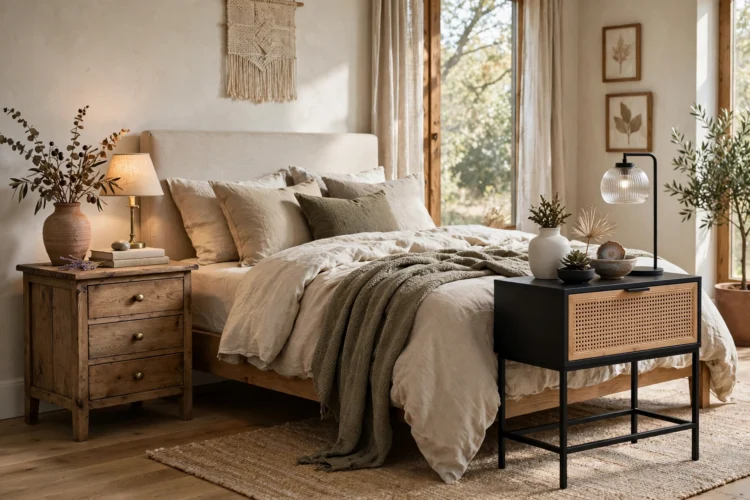
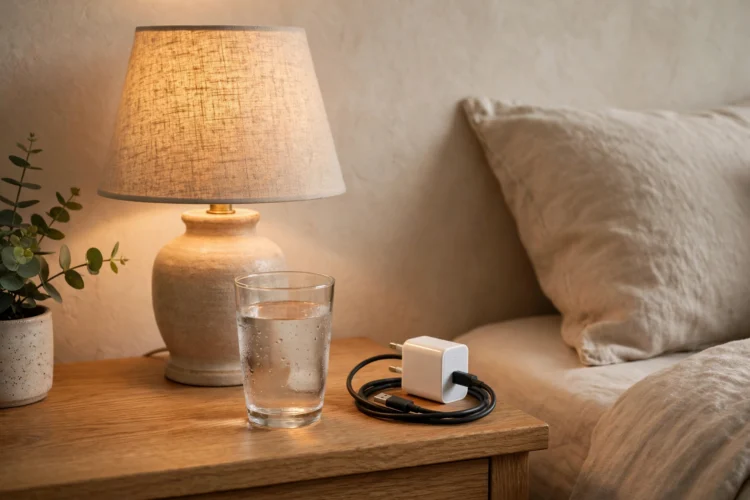
Guest bedside charging solves the most common guest frustration: a dead phone and no outlet in reach. Place a power strip or a multi-port charger on the nightstand, with one cable for each common phone type, and a small lamp guests can control without getting up. Add a glass of water, a small clock, and a notepad, and the nightstand starts to feel like a hotel bedside.
Label nothing and explain nothing. Guests should find what they need by sight, not by asking. Keep the drawer empty except for a phone charger and a spare adapter, so guests have a place for their own small items. A tidy bedside tells guests they are welcome to settle in, not just to sleep and leave.
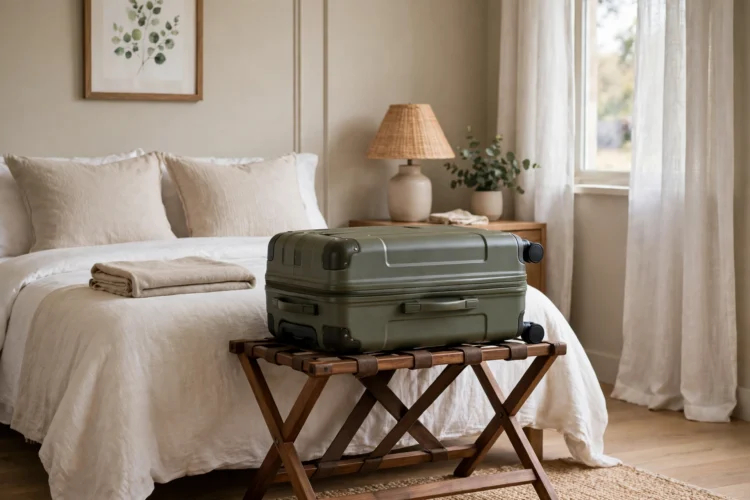
Guests arrive with suitcases, and a room without a luggage spot forces bags onto the bed or the floor. A folding luggage rack, a low bench, or a clear stretch of floor near the closet gives bags a home. Hotels use luggage racks for a reason: they keep clothes off the floor and make unpacking easy.
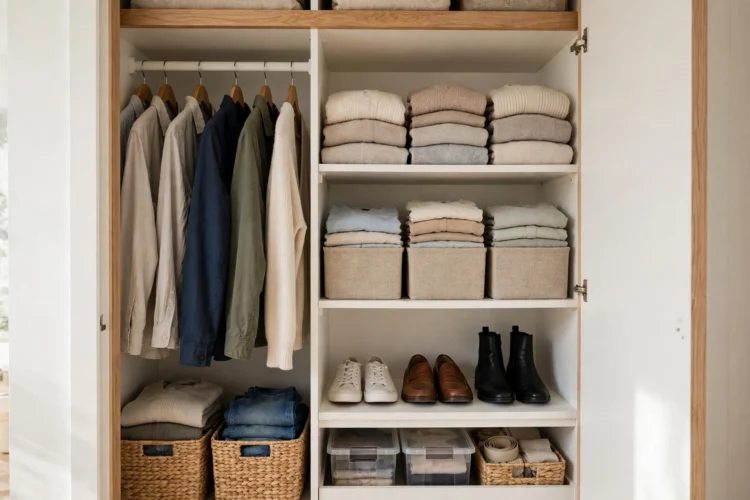
Add a few empty hangers in the closet and one clear drawer for folded clothes. Guests who can unpack, even partly, sleep better than guests living out of a suitcase. Keep the closet door easy to open and the rod at a reachable height, and skip storing your own off-season boxes in the guest closet when guests are coming.
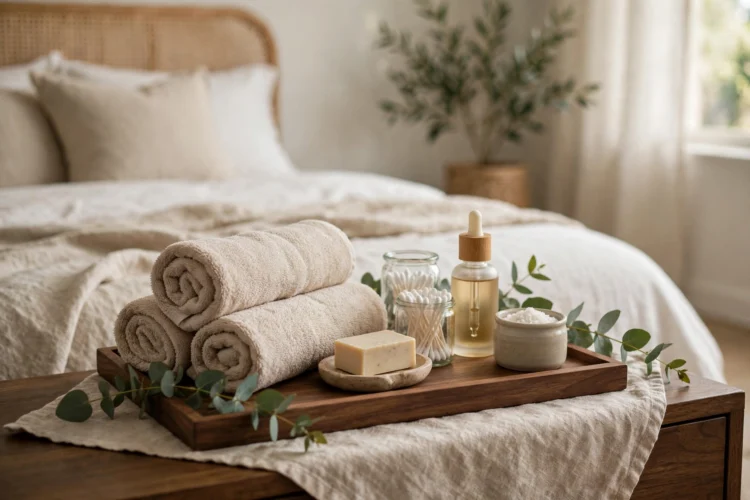
A small welcome tray does more than fancy decor. Stock it with fresh towels, a spare toothbrush, basic toiletries, a phone charger, and a bottle of water. Add a short handwritten note with the Wi-Fi password, the bathroom location, and your morning routine, so guests never have to guess or ask awkward questions.
Refresh the tray between visits, checking expiry dates on toiletries and washing the towels even if they look unused. Guests notice fresh towels and a clean tray, and they notice stale ones just as fast. Layered guest bedding plus a stocked tray is the pair that turns a spare room into a hosted room.
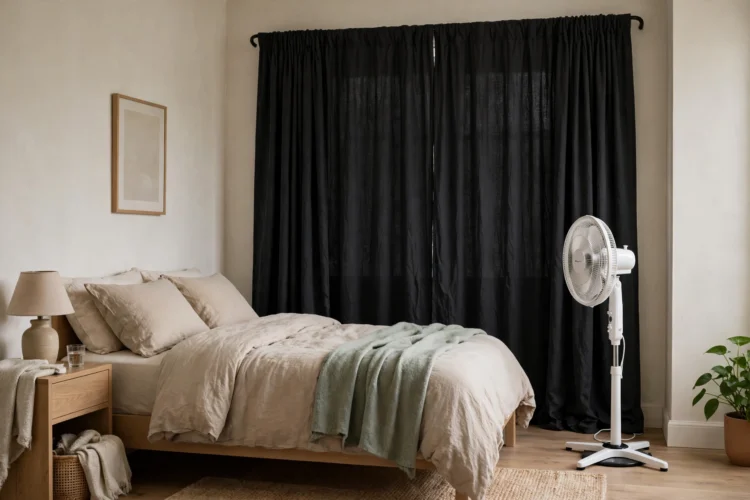
Guests sleep at different hours and temperatures, so give them controls. Blackout curtains or a sleep mask, a fan or a spare blanket, and a door that locks from inside all help guests rest on their own schedule. Test the curtains yourself at night, since thin curtains that look fine by day can leak streetlight all night.
Show guests how the thermostat, fan, and window latch work when they arrive, in one short walk-through. A guest who can adjust the room without waking the host sleeps better and feels less like an intruder. Privacy and control are quiet luxuries, and they cost almost nothing to provide.
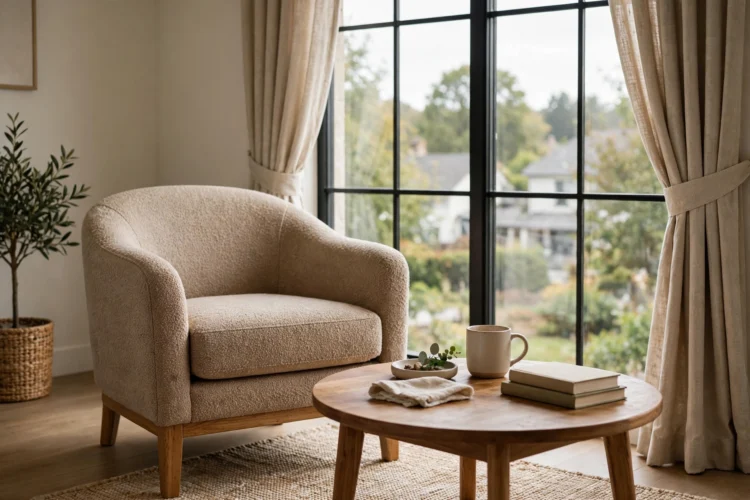
A chair and a small table give guests a place to sit that is not the bed. Morning coffee, a book, or a video call all feel better in a chair than perched on a mattress. Place the chair near a window or a lamp, with a coaster and a small side table for a mug, and the corner becomes a tiny lounge.
If space is tight, a sturdy stool or a folding chair stored in the closet works fine, as long as guests can find it. The point is choice: a guest who can sit up, read, and wake slowly will enjoy the stay far more than one who must stay in bed until the house wakes.
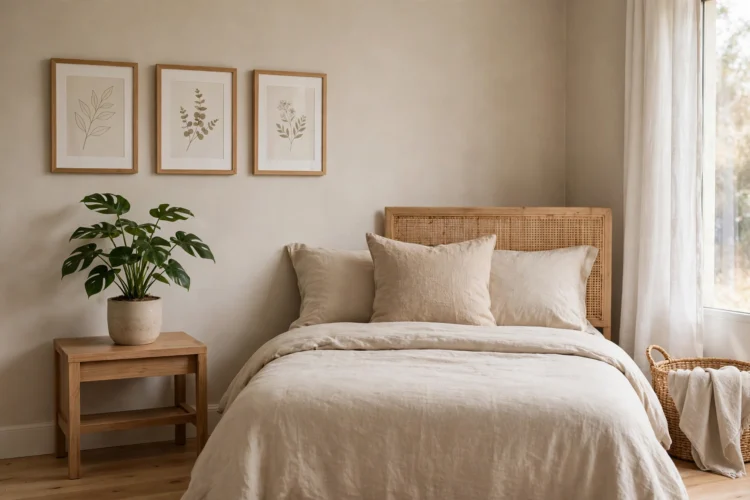
Guest rooms should feel personal without feeling like someone else’s bedroom. A few framed prints, a plant that survives neglect, and one local touch, like a guidebook or a photo of the area, warm the room without filling it with family photos. Keep surfaces mostly clear so guests have room for their own things.
Choose washable bedding, wipeable nightstands, and a rug that shakes out easily. After each visit, wash everything, vacuum, and reset the room to its welcome state, so the next guest walks into the same care. A boutique hotel guest room earns repeat visits through consistency, and your guest room can do the same.
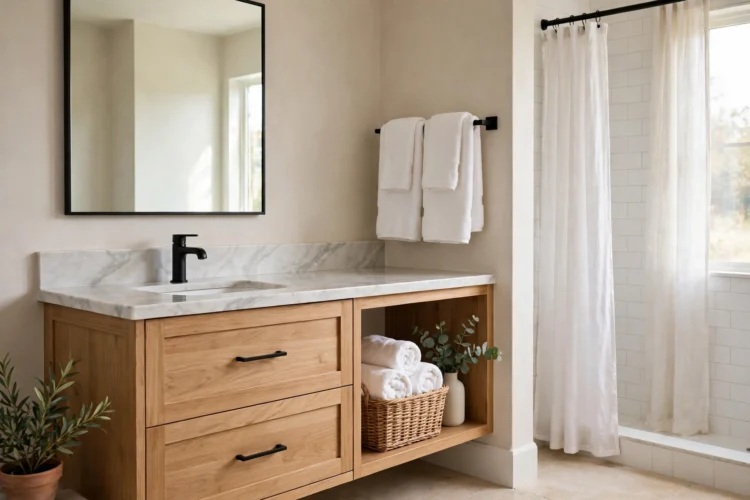
The bathroom guests use shapes the whole visit, so give it the same care as the bedroom. Fresh towels on a visible rack, a clear counter, a nightlight for late trips, and a stocked vanity turn a shared bath into a hosted one. If the guest bath needs a refresh before visitors arrive, start with the fixtures guests touch most.
These guest bathroom ideas cover layouts that work for visitors, while these bathroom vanity ideas help you pick a vanity with counter room for guest toiletries. For smaller shared baths, these powder room ideas show compact layouts that still feel generous, and these spa-like bathroom ideas add the calm, layered touches that make guests feel pampered rather than tolerated.
Think through the first hour of a guest stay, from arrival to bedtime. Guests need to know where to put bags, where to wash up, where to charge a phone, and how to lock the door. Walk the path yourself with fresh eyes and fix anything confusing: a stiff latch, a missing towel hook, a lamp with no reachable switch. That first hour sets the tone for the whole visit, and a smooth arrival makes every later detail feel thoughtful.
Think through the last morning too. Leave a spare key or clear checkout notes, a place for used towels, and a simple goodbye, like coffee ready before guests wake. Guests who leave rested and unhurried remember the stay well, and they accept the next invitation faster. Hospitality is mostly anticipation, and anticipating departure matters as much as anticipating arrival.
Leave a short house guide on the nightstand with the Wi-Fi password, the breakfast plan, and how to work the shower. Guests who can answer their own questions relax faster, and hosts get fewer midnight knocks on the bedroom door.