Physical Address
304 North Cardinal St.
Dorchester Center, MA 02124
Physical Address
304 North Cardinal St.
Dorchester Center, MA 02124

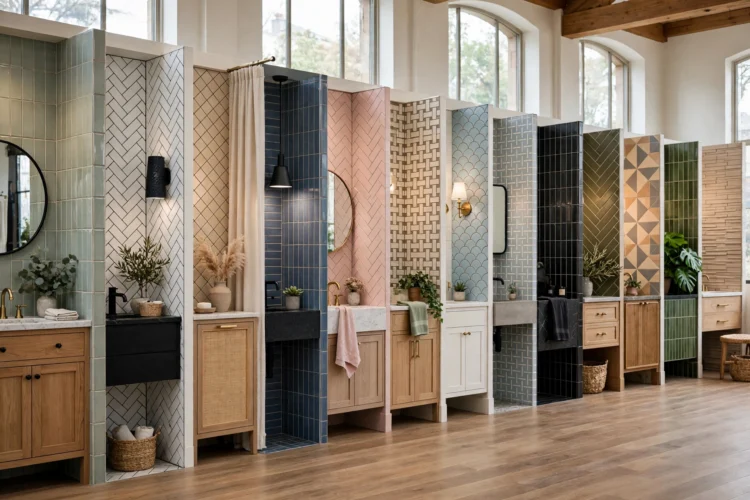
Subway tile goes far past the basic brick pattern. These 13 layouts, grout choices, and glazes show how one classic tile can look completely different.
Subway tile bathroom ideas start with a familiar shape and then go somewhere far more interesting. The classic white brick has earned its place, but it is only one way to use a rectangular tile. Change the layout, the grout, the glaze, or the scale, and the same tile reads modern, rustic, or quietly elegant. This list moves past the standard horizontal run and shows 13 subway tile bathroom ideas you can adapt to a shower wall, a full bath, or a single accent strip. Each idea works on its own, and several pair well together, so you can pick the level of change that fits your budget and your nerve.
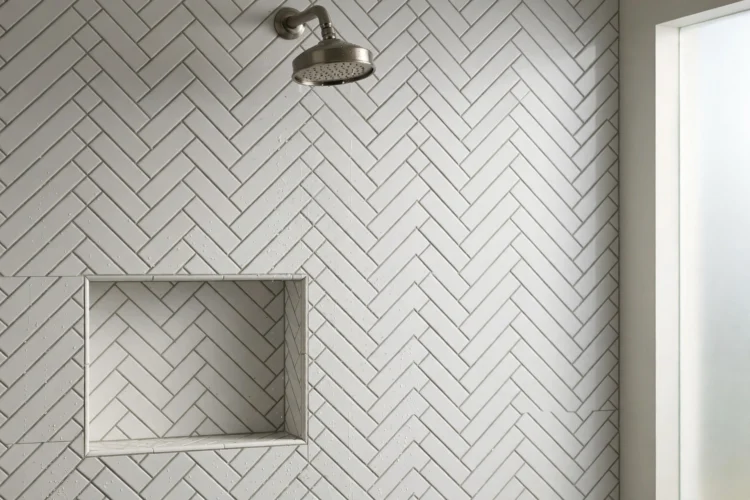
A herringbone layout turns plain subway tile into a woven pattern that pulls the eye across the wall. Each tile sits at a right angle to its neighbor, which creates a zigzag rhythm that feels intentional rather than busy. The effect works best on one feature wall, such as the wall behind the vanity or the back wall of a shower, where the pattern gets room to show.
Herringbone needs more cuts than a straight run, so expect extra tile and extra labor if you hire the job out. Ask your tiler to dry lay a small section first so you can check how the pattern lands at edges and corners. A soft white or pale gray tile keeps the look calm, while a deeper glaze makes the zigzag read as a clear design choice.
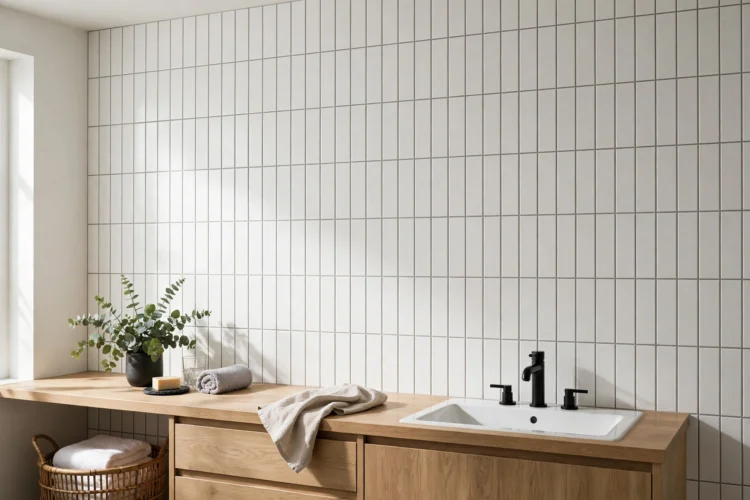
Stack subway tile vertically and the wall suddenly looks taller. The straight vertical lines draw the eye upward, which helps in bathrooms with low ceilings or a boxy shower enclosure. This layout also feels calmer than herringbone because the grid stays orderly, just rotated ninety degrees from the usual run.
Vertical stack tile suits a full-height shower wall or a backsplash that runs to the ceiling. Keep the grout color close to the tile for a seamless sheet of color, or pick a slightly darker grout if you want the grid to read. Pair it with a simple vanity and plain floor tile so the vertical lines stay the star, the same way small rooms gain space from layout choices rather than extra decoration.
Your choice of subway tile grout colors changes subway tile more than most people expect. White tile with dark gray grout reads graphic and crisp, almost like a sketched grid on the wall. The same tile with matching white grout looks smooth and quiet, closer to a solid surface than a tiled one.
Dark grout also hides everyday marks better in a busy family bathroom, though it needs sealing to stay even in tone. Test a grout sample next to your tile in daylight and under your bathroom bulbs before you commit, because grout dries a shade lighter than it looks wet. One accent wall in contrasting grout gives you the drama without redoing the whole room.
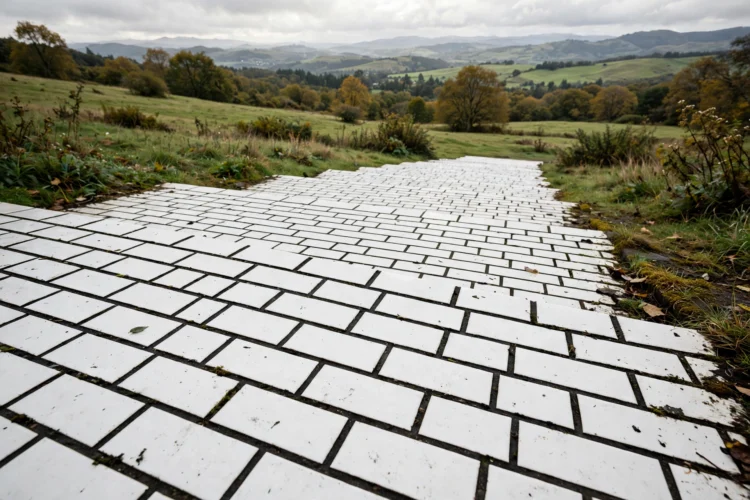
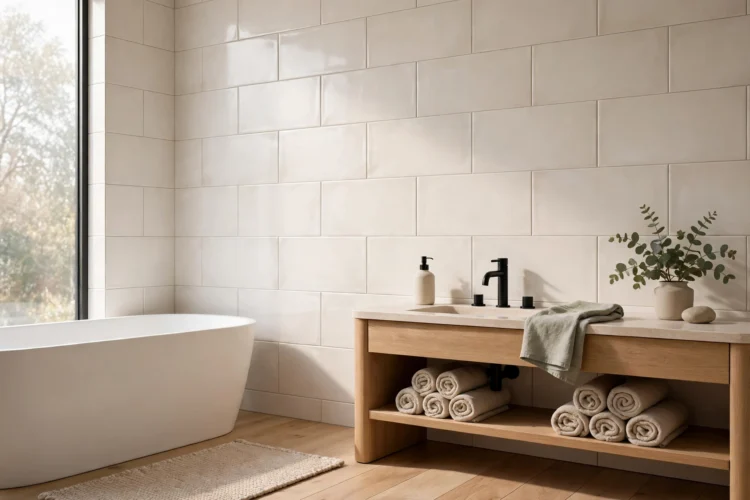
Larger subway tiles, roughly double the length of the classic size, cut down the number of grout lines and make a small bathroom feel less chopped up. The longer format still carries the subway shape, but the wall reads as broad, calm planes instead of a busy grid. That calm suits a spa style bath where you want the room to feel restful.
Oversized subway tile works well in a walk-in shower and on a full vanity wall. Because each tile covers more area, the layout goes up faster and the grout stays easier to wipe. The principle matches tiny storage ideas that fit tight spaces, where fewer, larger moves beat a dozen small ones. Keep the finish simple, a soft gloss or satin, and let the scale do the talking rather than adding a loud color on top.
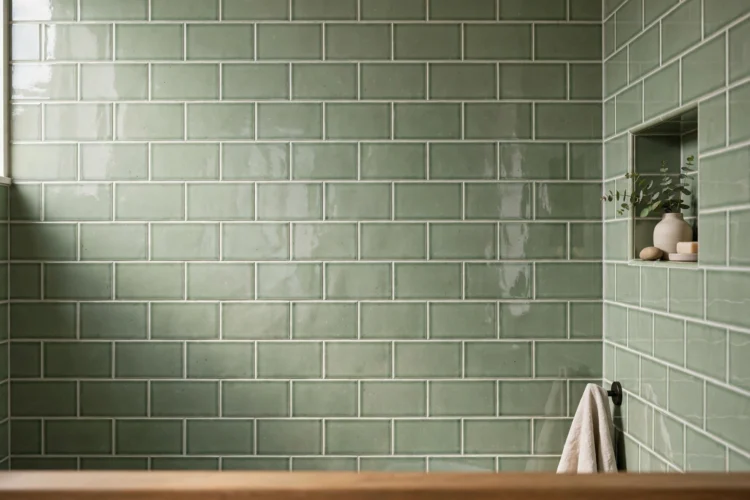
A colored glaze is the fastest way to rescue subway tile from feeling generic. Sage green softens a white bathroom, dusty blue cools a sunny room, and a deep forest green turns a small bath into a moody retreat. Glazed tile also reflects light, which helps a windowless bathroom feel brighter.
If a full wall of color feels risky, run the color on one wall and keep the rest white. Handmade-look glazes vary slightly from tile to tile, and that variation is part of the charm, so order from one batch and mix tiles from several boxes as you lay them. A colored subway tile wall pairs well with plain brass or chrome fittings, and the same soft green tone works in sage to forest green cabinets when you want the color to carry through the house.
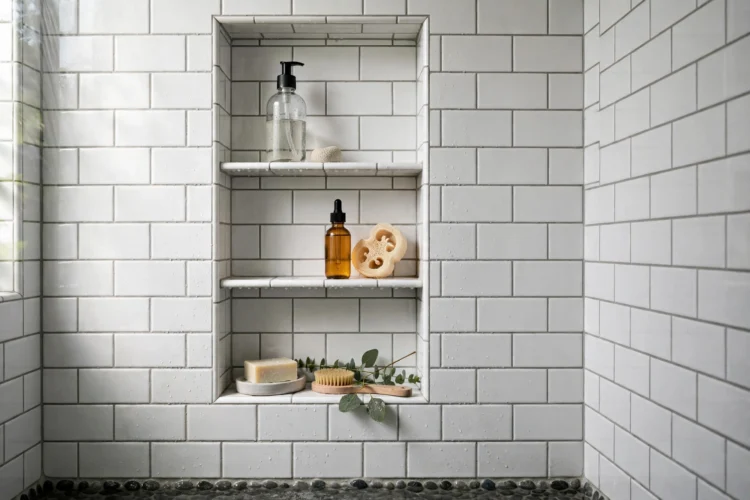
You do not need to retile a whole bathroom to use subway tile well. A shower niche lined in a contrasting subway tile turns a practical shelf into a detail people notice. A single horizontal border row at chair rail height can also tie a painted wall to a tiled shower without a full retile.
For a niche, pick a tile that contrasts in color or layout with the field tile around it, such as herringbone inside a straight-run shower. Keep the niche shelf slightly sloped so water drains out. A border works best when it lines up with a mirror edge or a vanity top, so measure twice before the tiler starts.
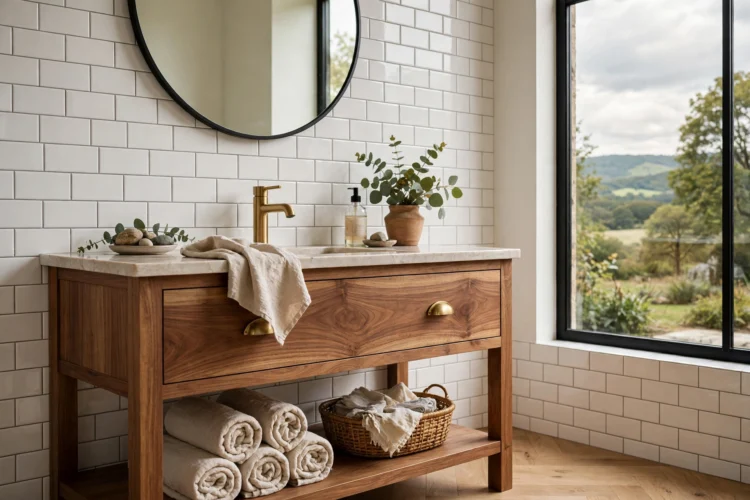
Subway tile plays well with other materials, and the mix keeps a bathroom from feeling like a tile showroom. Try subway tile on the shower walls with a stone-look floor tile, or pair a white tile wall with a warm wood vanity. The contrast between cool tile and warm wood is one of the easiest ways to make a bathroom feel lived in.
Keep one material dominant and the other as support, or the room can feel crowded with competing textures. For example, let subway tile cover the wet zones and let wood appear only in the vanity and a stool. A stone threshold or a wood-framed mirror repeats the second material just enough to tie the room together, much like cabinet color ideas beyond basic white use one strong color against a calm background.
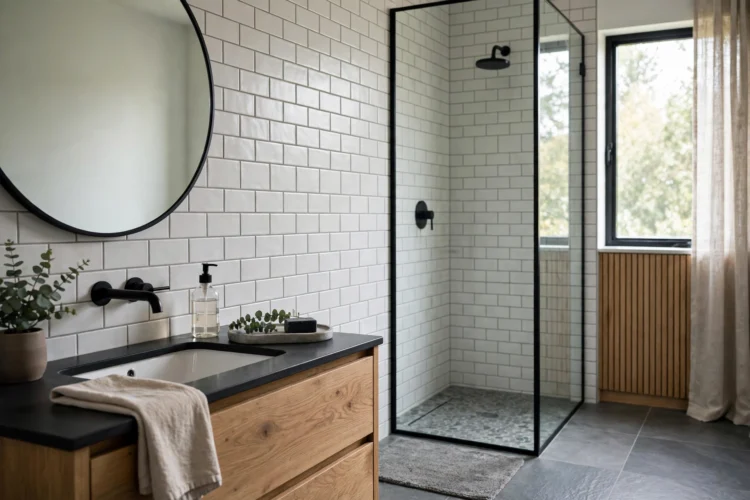
Finish changes how subway tile behaves in light. Glossy tile bounces light around a small or windowless bathroom and wipes clean with little effort, which is why it stays popular in showers. Matte tile absorbs light and reads softer and more modern, closer to plaster or stone than to glass.
Matte subway tile hides water spots better, but it can show soap film if you skip regular wiping, so keep a squeegee in the shower. Glossy tile shows spots more but cleans faster. Many bathrooms mix the two, with gloss in the shower and matte on the vanity wall, and the mix looks deliberate when the color stays the same.
Start with the change that costs least and bothers you most: grout color on one wall, a single herringbone feature, or a colored glaze in the shower niche. Live with that change for a few weeks, then decide whether the rest of the bathroom needs the same treatment. Subway tile rewards patience, because one well chosen layout often makes the whole room feel redone without a full renovation.