Physical Address
304 North Cardinal St.
Dorchester Center, MA 02124
Physical Address
304 North Cardinal St.
Dorchester Center, MA 02124

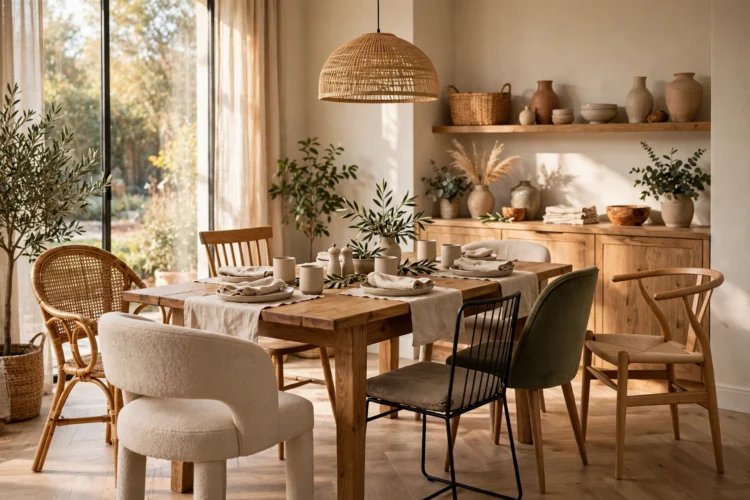
Mixed dining chairs look intentional when one element ties them together. These 8 ideas show formulas for blending styles, from matching colors to shared materials.
A dining set with identical chairs can feel like a showroom, and a room full of random chairs can feel like a yard sale. The sweet spot sits between the two, and it comes from one rule: mix and match dining chairs around a single shared element. Pick one thing to repeat, a color, an era, or a material, and let everything else vary. The eight ideas below use that rule in different ways, so you can blend the chairs you already own with a few new finds and end up with a dining room that looks collected on purpose rather than thrown together.
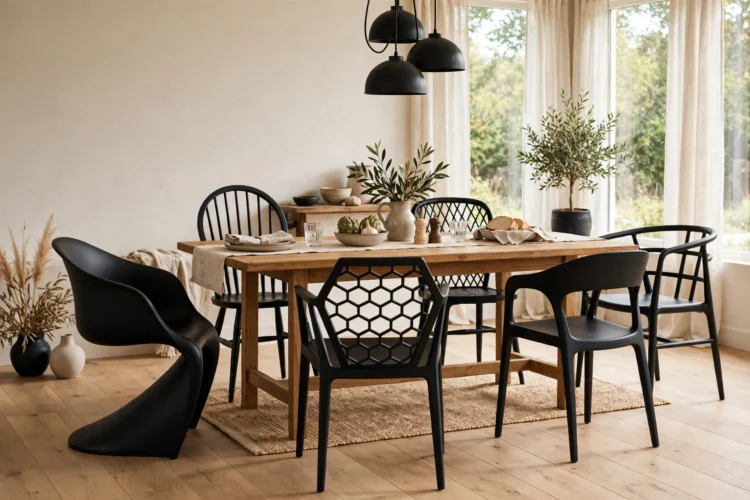
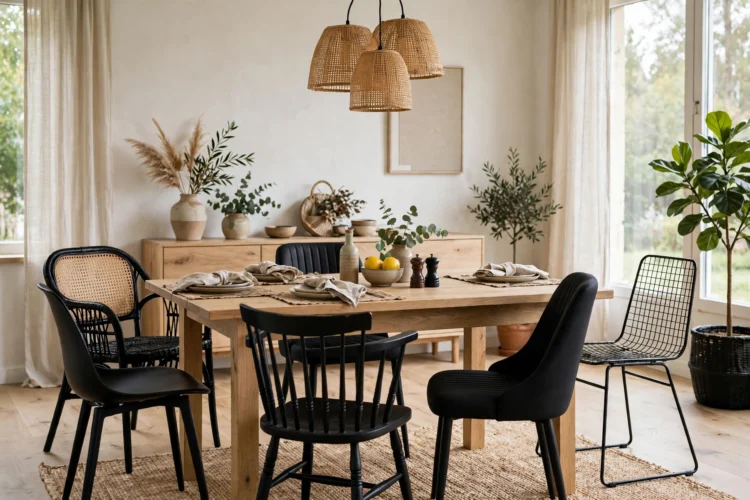
Color is the fastest way to tie different chairs together. Take four chairs in four shapes, a ladder-back, a spindle-back, a modern molded seat, and a simple cross-back, and paint them all the same color. Matte black works in almost any room, and soft white suits a cottage or coastal dining room. The shared color tells the eye the different dining chair styles belong together, while the varied shapes keep the table from looking like a furniture catalog page. If you buy new chairs, check that the paint or stain matches across brands, since two blacks from two makers can read as different colors in daylight. When in doubt, paint them yourself: one can of furniture paint unifies a set of mismatched dining chairs in a weekend. The seat height matters more than the shape, so keep every chair within a couple of centimeters of the others or the table will feel uneven at dinner.
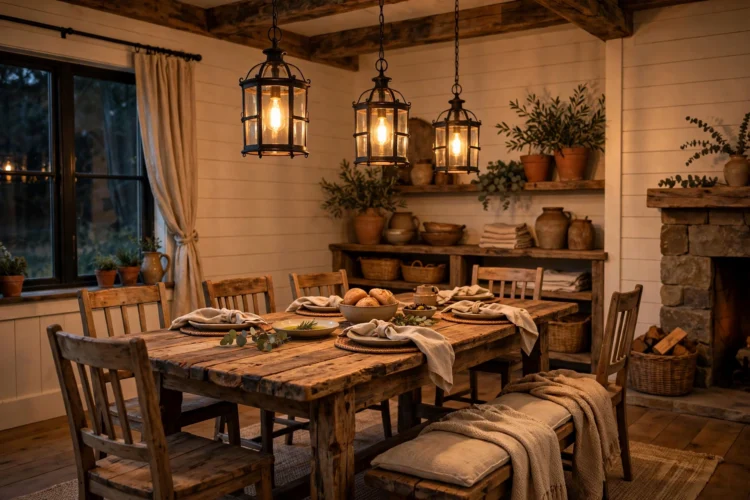
Chairs from the same decade share a design language even when their shapes differ. Mid-century chairs, for example, tend to have tapered legs, gentle curves, and low profiles, so a mid-century side chair sits happily next to a mid-century armchair even if the backs look nothing alike. The same holds for farmhouse chairs, which share thick wood, simple joinery, and a sturdy stance. Shop by era rather than by exact model: search for the period first, then pick the silhouettes you like within it. This approach also makes thrift shopping easier, since you can judge a chair by its details, tapered legs, turned spindles, or a woven seat, instead of hunting for a matching set. A farmhouse dining table anchors the look, and the mixed chairs keep it from feeling like a matched set bought in one trip.
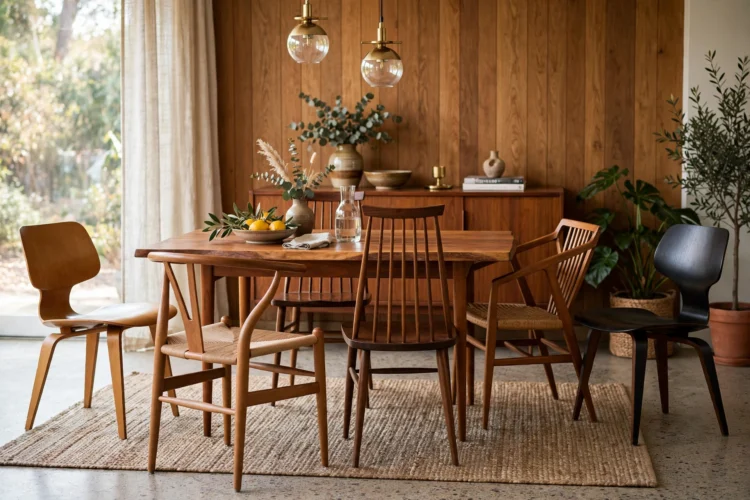
When color and era both vary, material can do the unifying work. Wooden dining chairs in different tones still read as a set if the wood species match, and all-metal chairs in different shapes share a cool, industrial feel. Mixed materials work too, as long as one material repeats in every chair: a wood seat on every chair, for instance, even if the legs are metal on some and wood on others. The trick is to repeat the material at the same visual level, so the eye catches it without thinking. Seat frames and legs are the best places to repeat it, since they sit at the same height across the table. Avoid mixing glossy and matte finishes of the same material, which can clash even when the material matches.
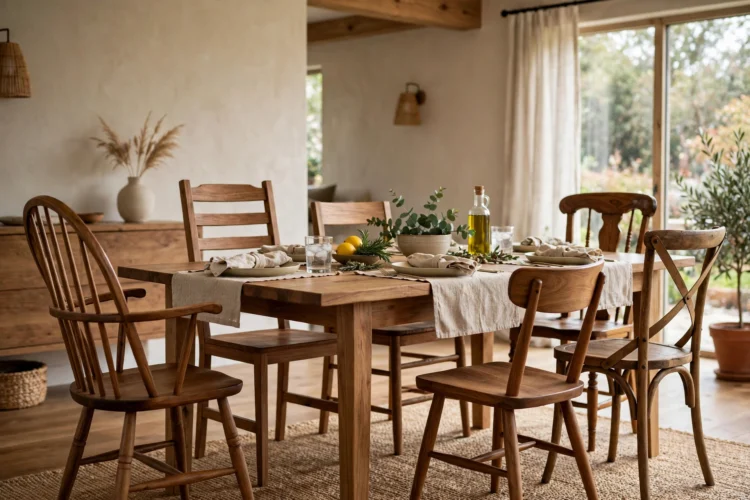
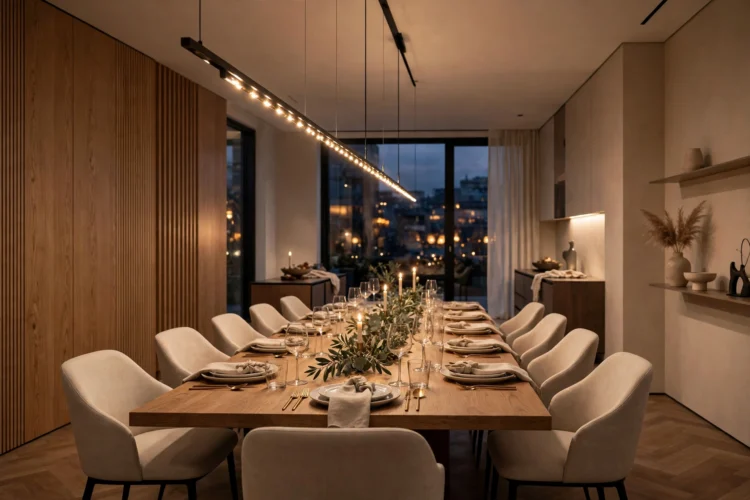
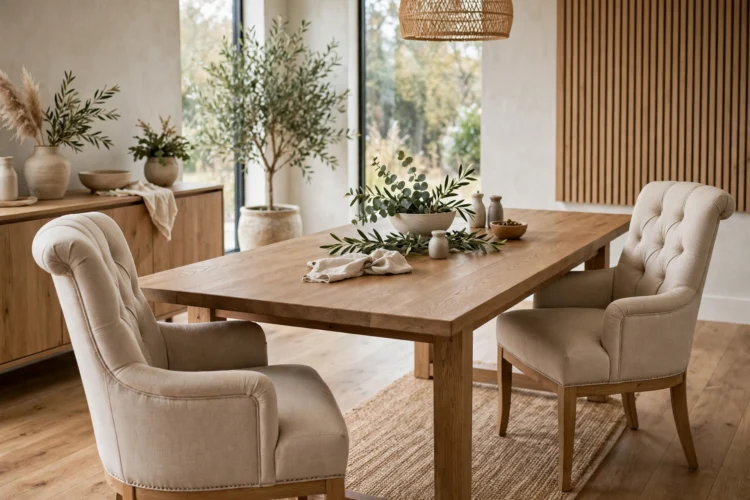
The classic mixed-chair move is also the simplest: put armchairs at the two ends of the table and plain side chairs along the sides. The host chairs signal the ends of the table and give the people sitting there a little more comfort, while the side chairs keep the middle of the table visually light. The host chairs in a mix and match dining chairs plan can differ from the side chairs in almost every way, height, color, upholstery, as long as one detail connects them, such as the same wood tone or the same seat cushion fabric. This layout also suits long tables, where the ends would otherwise feel empty. If your table is round, use two armchairs opposite each other instead, and keep the side chairs low so the circle stays balanced. These round dining table ideas show how the layout works in small rooms.
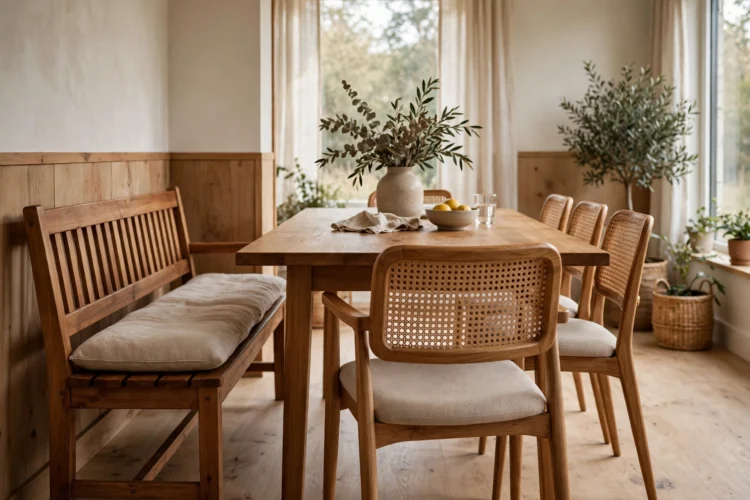
A bench on one side and chairs on the other is a mixed-seating plan that also solves a practical problem: benches seat more people in less space. Kids squeeze three to a bench where two chairs would fit, and the bench slides fully under the table when dinner ends. Match the bench to the chairs through one shared element, the same wood, the same cushion fabric, or the same leg style, and the mix looks deliberate. A backless bench keeps the room feeling open, while a bench with a low back gives guests something to lean on during long dinners. Check the bench height against the chairs: if the bench sits more than a few centimeters higher or lower, people at the table will notice it every meal. For more bench ideas, pair this layout with a kitchen island with seating and keep the same cushion fabric in both spots.
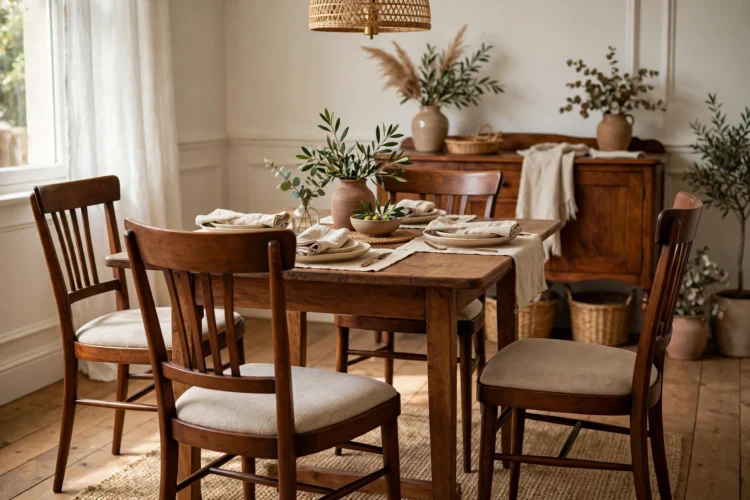
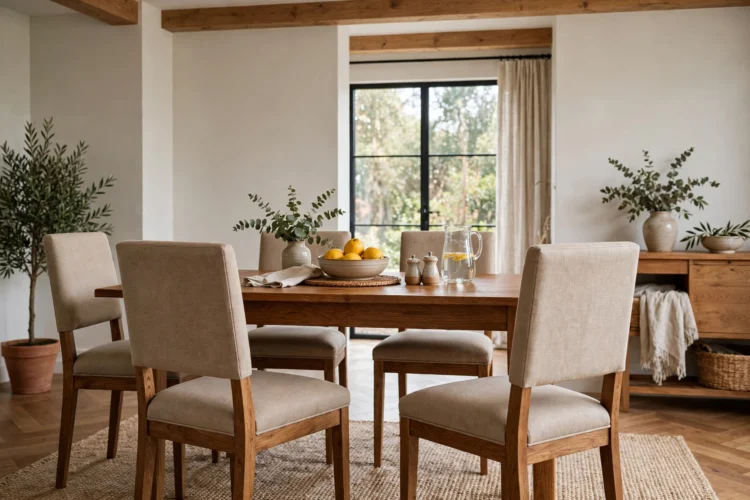
Upholstery softens a dining room and makes long dinners more comfortable, and upholstered dining chairs with wood frames show the formula at its best, and it also gives you a simple mixing formula: vary the chair frames, keep the seat fabric the same. Four different wood frames with identical linen seat cushions look like a planned set, and the fabric does the unifying work that matching wood would otherwise do. Choose a fabric you can clean. A stain-resistant weave or a removable slipcover matters more than the pattern, because dining chairs meet tomato sauce, coffee, and crayons. If you want pattern, keep it on the host chairs only and use a solid color on the side chairs, so the room stays calm. Seat depth matters here too: upholstered chairs run deeper than bare wood ones, so leave a little extra space behind each chair for pulling out.
Black is the easiest unifier in a dining room. A black Windsor chair, a black metal Tolix-style chair, and a black upholstered chair can sit at one table and still look like they belong together, because the color is strong enough to override the style differences. Black also hides scuffs and wear better than white or pale wood, which helps when chairs get dragged across the floor daily. The risk is a room that feels heavy, so balance black chairs with a light table top, pale walls, or a woven rug under the table. Mix the black finishes slightly, matte on some chairs and satin on others, to keep the set from reading as one flat block of color. One black chair with a wood seat breaks up the darkness and ties the set back to the table.
Thrifted and vintage chairs bring character that new chairs cannot fake, and a common finish is what keeps them from looking like leftovers. Buy the chairs you love in any shape, then refinish them all in the same stain or paint. A warm walnut stain unifies a ladder-back, a spindle-back, and a bentwood chair in one afternoon of work, and the shared finish lets the different shapes shine instead of fighting. Check each chair for wobble before you buy: a loose joint can be reglued, but a cracked seat rail is rarely worth the repair. Sit in every vintage chair too, since old chairs vary in seat height more than new ones do. When the finishes match and the seat heights agree, a table of vintage finds looks like a collection built over years, which is exactly the point.