Physical Address
304 North Cardinal St.
Dorchester Center, MA 02124
Physical Address
304 North Cardinal St.
Dorchester Center, MA 02124

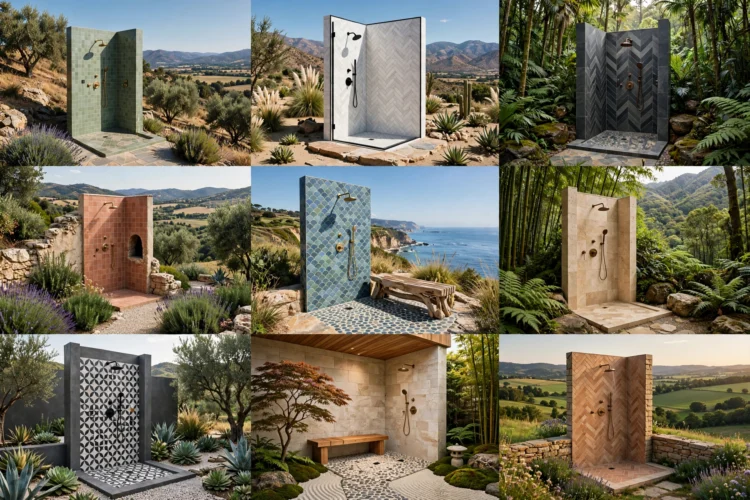
Tile makes a walk-in shower. These 9 tile ideas cover wall patterns, floor mosaics, and color choices that turn a curbless shower into the best-looking corner of the bathroom.
A curbless shower lives or dies by its tile. With no curb and often no door, the tile is the whole visual statement, and it also has to handle constant water. These walk in shower tile ideas focus on tile choices inside walk-in showers: wall patterns, floor mosaics, grout color, and finishes that hold up in wet conditions. Each idea works in a standard walk-in footprint, and most of them cost no more than a plain white tile job once you account for labor.
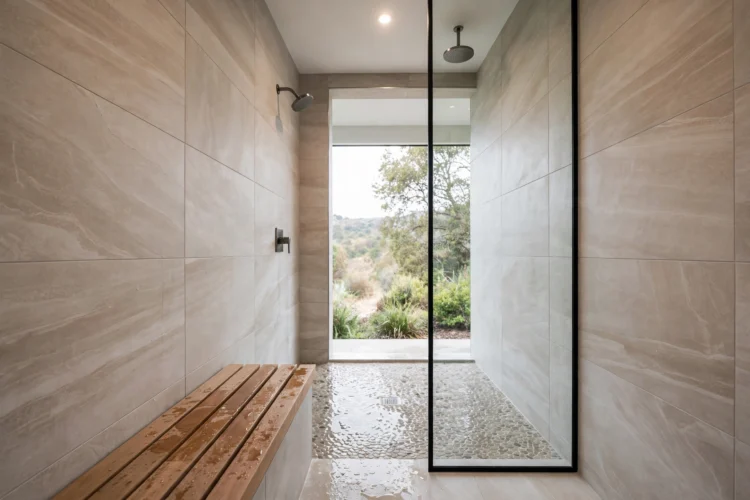
Large-format porcelain shower tile, in sizes like 12 by 24 inches, gives a walk-in shower a calm, almost seamless wall. Fewer grout lines mean less cleaning and a more expensive look, which is why this is the default choice in many new bathrooms. A matte finish hides water spots better than a polished one, and a rectified edge lets the installer keep grout joints tight. Run the tiles vertically to add height to a low ceiling, or horizontally to stretch a narrow shower.
Large tiles need a flat wall to look right, so the installer may need to level the substrate first. That prep work is worth paying for, since lippage on a big tile catches light and draws the eye. Keep the grout color close to the tile color for the most seamless effect, and save contrast grout for smaller tiles where the pattern is the point.
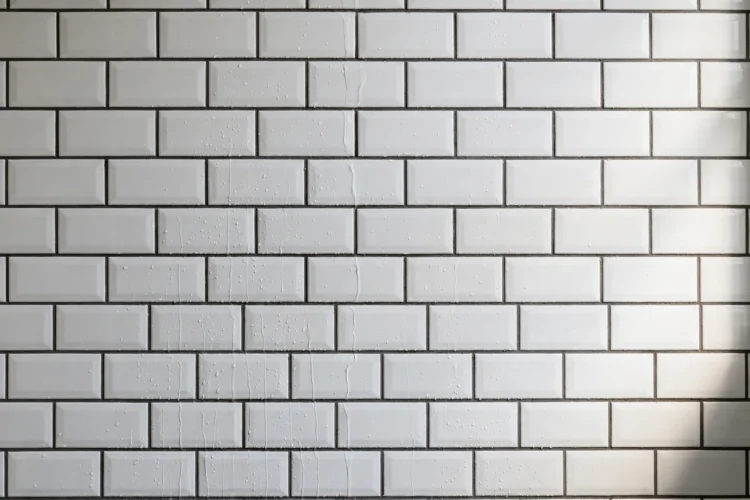
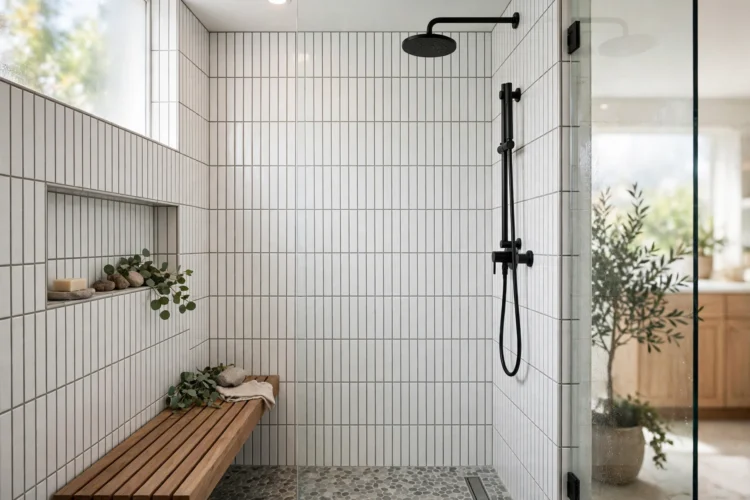
A vertical stack shower wall tile pattern takes a basic rectangular tile and turns it into a design feature by stacking tiles directly above each other instead of offsetting them. The straight grout lines draw the eye upward, which makes a short shower feel taller. This pattern suits subway tiles, slim picket tiles, and any rectangular tile where you want a modern, ordered look without a busy pattern.
Vertical stack shows uneven walls more than a brick pattern does, so wall prep matters. Use a tile with slight color variation to keep the grid from feeling flat, and run the pattern up to the ceiling rather than stopping at a random height. A partial-height stack with painted wall above it breaks the effect, so commit to full height or choose a different pattern.
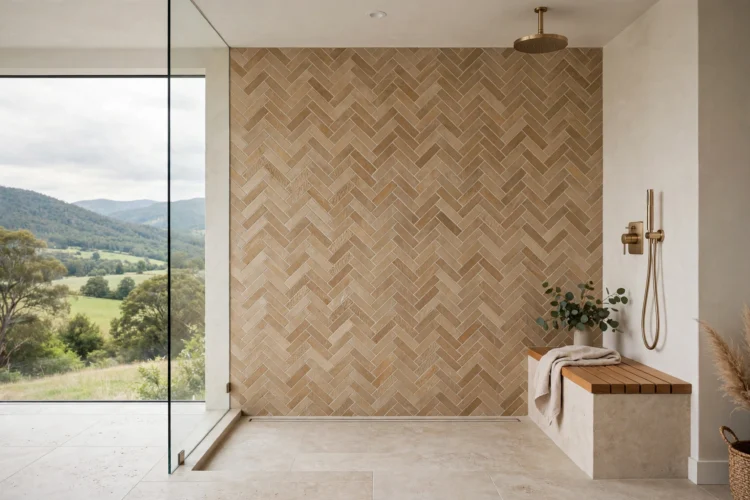
Herringbone turns small rectangular tiles into a zigzag that reads as custom work. Used on one accent wall, usually the back wall of the shower, it gives the whole bathroom a focal point without overwhelming the space. Keep the other walls in a quiet large-format tile so the herringbone stays the star. A soft white or pale gray herringbone works in almost any bathroom, while a darker tile makes the pattern bolder.
Herringbone costs more in labor because every tile is cut at an angle and the layout takes longer to set. Budget for extra tile waste, near 15 percent over a straight pattern, and hire an installer who has done herringbone before. The result rewards the effort: guests notice a herringbone wall, and it photographs well if you ever list the home.
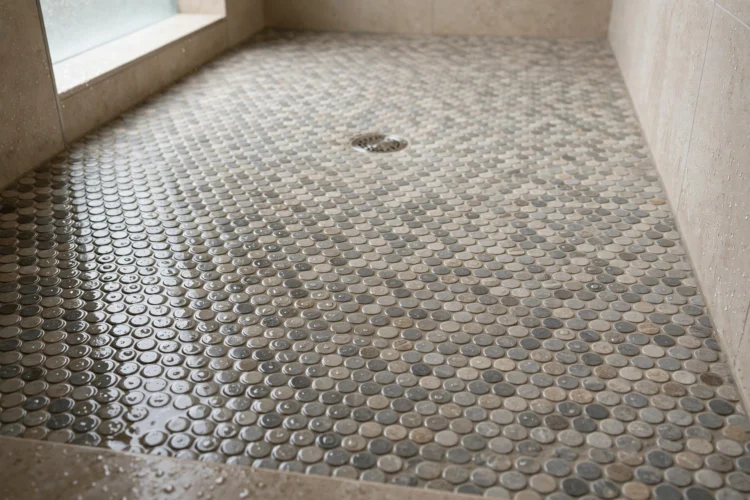
A mosaic shower floor tile is the practical choice for a curbless shower floor. Small tiles follow the slope to the drain better than large ones, and the many grout lines add grip under wet feet. Penny rounds, small hexagons, and 2-inch squares are the classic options, and all of them come in porcelain versions that handle constant water. Match the floor mosaic to the wall tile color family so the shower reads as one design.
Grout on a shower floor takes abuse, so seal it and choose a color that hides discoloration. Mid-gray grout is more forgiving than bright white, and epoxy grout resists staining better than cement grout, though it costs more and takes skill to install. Clean the floor mosaic weekly with a pH-neutral cleaner to keep the grout lines even, and avoid harsh bleach that can wear the sealer down over time.
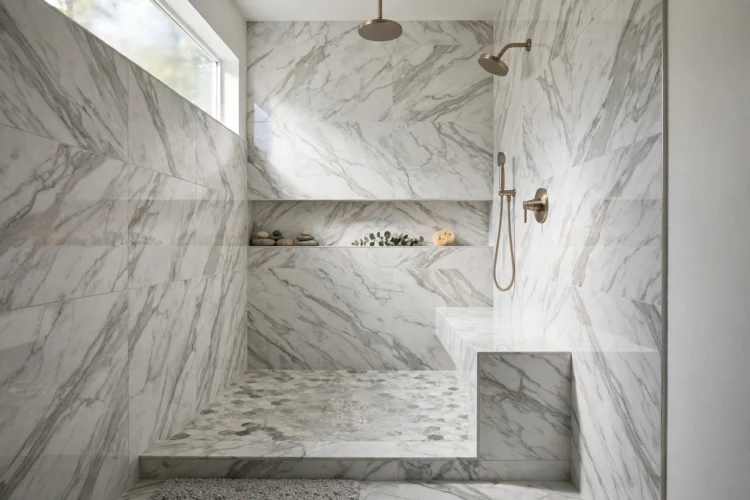
Marble-look porcelain gives you the veining and glow of marble without the sealing routine and stain worry. Modern printing makes the veining look convincing, especially in large formats where the pattern repeats less obviously. Use it on the shower walls and carry it onto the bathroom floor for a continuous, high-end look. A soft gray vein on a white base suits most bathrooms, while a bold gold or dark vein makes a stronger statement.
Real marble needs regular sealing and stains from hair products and hard water, which is why porcelain wins for most households. When you shop, look at several boxes of the same tile, since veining varies and you want a mix that looks natural rather than repeated. Book-match the veining on the back wall if you want a showpiece effect, and keep the rest of the bathroom quiet so the marble-look tile carries the room.
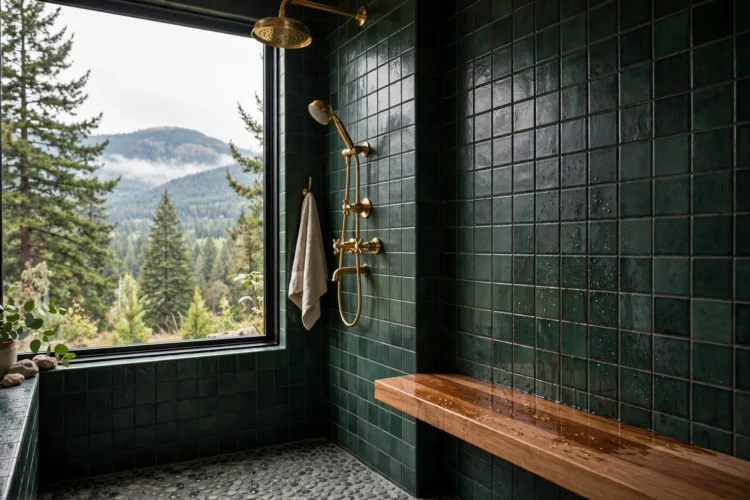
A dark tile shower feels dramatic rather than gloomy when you balance it with warm materials. Charcoal or deep green wall tile, a teak bench or teak-look shelf, and warm brass fixtures turn a dark shower into a spa-like corner. The contrast between dark tile and light grout can define the pattern, or you can match grout to tile for a moody, seamless wall. Either way, keep the lighting warm and bright enough that the dark walls do not swallow the space.
Dark tile shows soap scum and hard water spots more than light tile, so a daily squeegee habit pays off here. A handheld showerhead makes rinsing the walls easy, and a matte finish hides spots better than gloss. If your bathroom is small, use dark tile on one wall only and keep the rest light, so the shower feels like an accent rather than a cave.
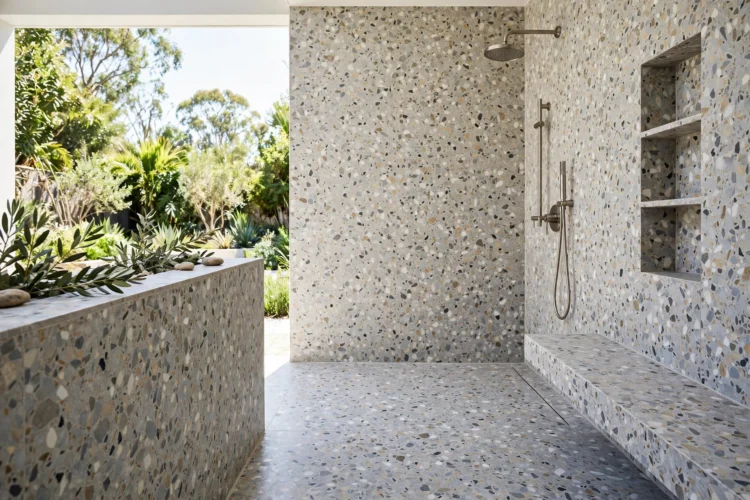
Terrazzo-look tile brings speckled color into a walk-in shower without the cost of poured terrazzo. The speckles hide water spots and dirt better than a solid tile, which makes this a forgiving choice for a family bathroom. A large-format terrazzo-look tile on the walls plus a matching mosaic on the floor ties the shower together, and the speckled pattern pairs well with simple fixtures in matte black or brushed nickel.
Choose a base color that matches your bathroom palette, then let the speckles add the color. A white base with gray and blush speckles feels soft, while a gray base with white and ochre speckles feels bolder. Keep the rest of the bathroom simple, since terrazzo-look tile already supplies plenty of visual interest. This curbless shower tile choice suits bathrooms that want personality without a loud pattern.
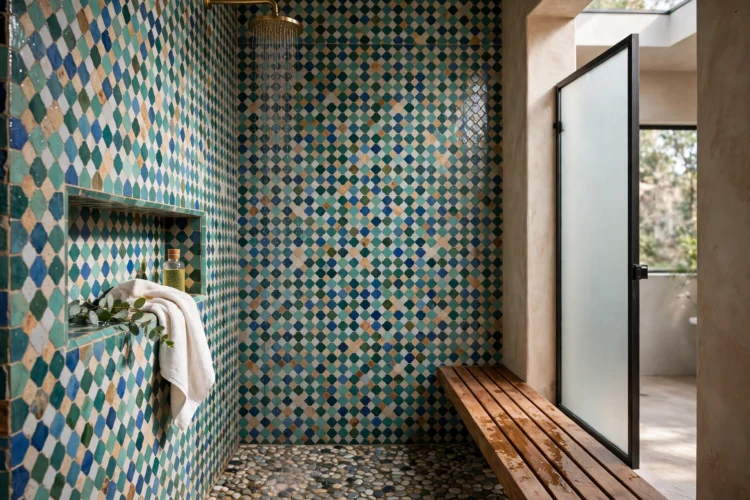
Zellige-look tile copies the uneven glaze and soft color variation of handmade Moroccan tile, giving a walk-in shower a crafted, tactile feel. The glaze catches light differently across each tile, so the wall looks alive rather than flat. This tile suits a shower niche, an accent wall, or a full shower in a bathroom with a relaxed, Mediterranean feel. Soft greens, blues, and warm whites are the most popular colors.
Real zellige is expensive and uneven in thickness, which complicates installation. A porcelain zellige-look tile gives you the glaze variation with a flat back that installs like normal tile, which keeps labor costs reasonable. Pair it with a simple floor mosaic in a matching tone, and avoid competing patterns elsewhere in the bathroom so the glaze texture stays the focus.
Contrasting grout is the cheapest way to change a shower tile design. White subway tile with dark gray grout reads as graphic and modern, while the same tile with matching grout reads as calm and seamless. The grout color decision should come after you pick the tile, and you should test it on a sample board before the installer grouts the whole shower. A grout color that looks right in the store can read darker once it covers a full wall.
Dark grout also hides staining better than white grout, which is a practical win on a shower floor. If you choose contrasting grout, keep the tile pattern simple, since a busy pattern plus bold grout lines compete for attention. The same idea works beyond the bathroom: farmhouse sink ideas, kitchen faucet ideas from brass to matte black, under cabinet lighting ideas, and kitchen lighting ideas beyond the flush mount all show how one finish decision changes a whole room. In a shower, grout is that decision, so take the time to get it right.