Physical Address
304 North Cardinal St.
Dorchester Center, MA 02124
Physical Address
304 North Cardinal St.
Dorchester Center, MA 02124

Design a kids room that lasts from toddler to tween. Adaptable beds, swappable color, reachable storage, and flexible walls mean the room grows with your child, not against them.
Kids bedroom ideas should plan for the child your kid will become, not just the one you have today. A room built on adaptable bones, a good bed, solid storage, and walls that accept change, can move from toddler to tween with swaps of bedding, art, and accessories instead of new furniture. These 11 ideas focus on flexible pieces, safe layouts, and storage that grows, so the room lasts for years without a full redo.
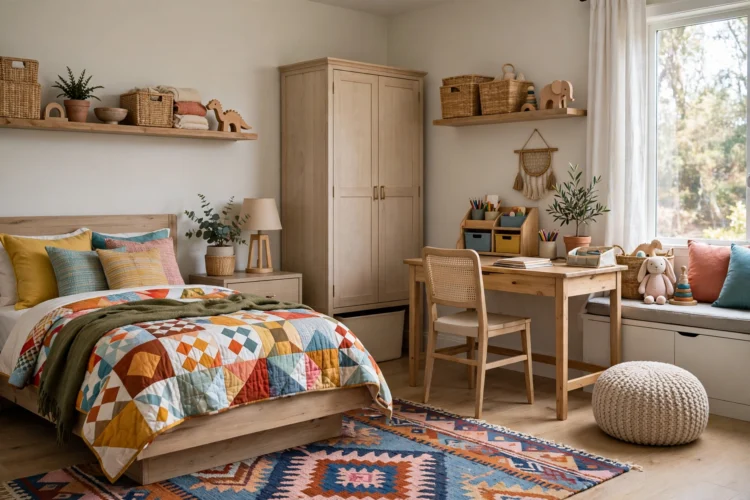
Start with pieces that do not age out. A full size bed, a sturdy dresser, and a real desk outlast themed furniture by years, and they cost less over time than replacing a toddler set twice. Choose neutral finishes for the big pieces, then add the kid personality through bedding, wall art, and rugs that swap in an afternoon.
Keep the layout flexible too. Leave one wall free for a future desk or bookshelf, and avoid built-ins sized for one age only. An adaptable kids bedroom looks a little plain on day one and a lot smarter on day one thousand, when the room still works without a renovation.
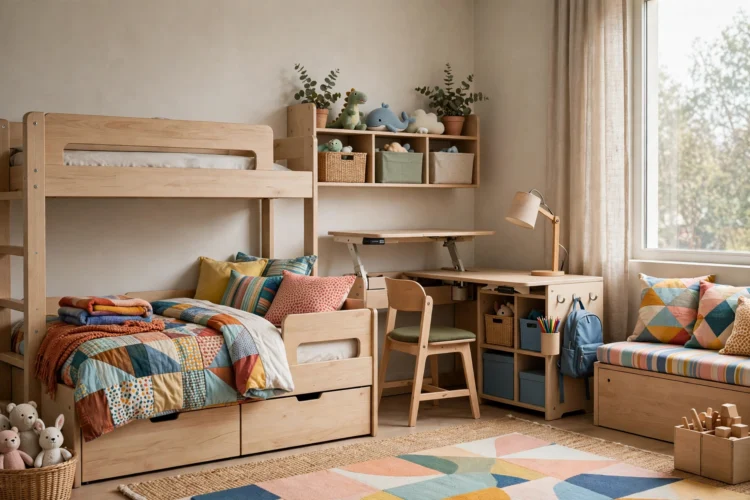
A convertible bed or a standard full bed with guard rails for younger kids covers the longest stretch of childhood. Toddlers feel safe with rails and a low height, while older kids get a real bed they can make themselves. Skip novelty bed shapes that a ten year old will outgrow, and spend the savings on a good mattress instead.
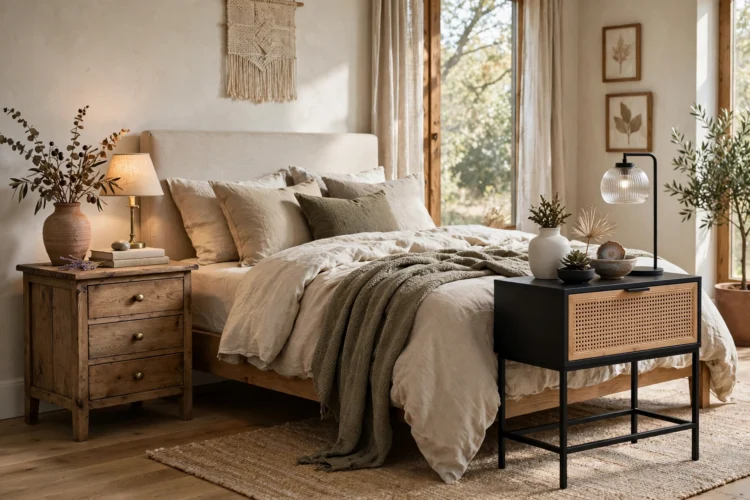
Place the bed where morning light lands gently, not directly in the eyes, and leave room on one side for a nightstand that can hold a book and a water bottle. As kids grow, the same bed hosts homework reading, friend hangouts, and finally a teen who needs a bed that fits their height.
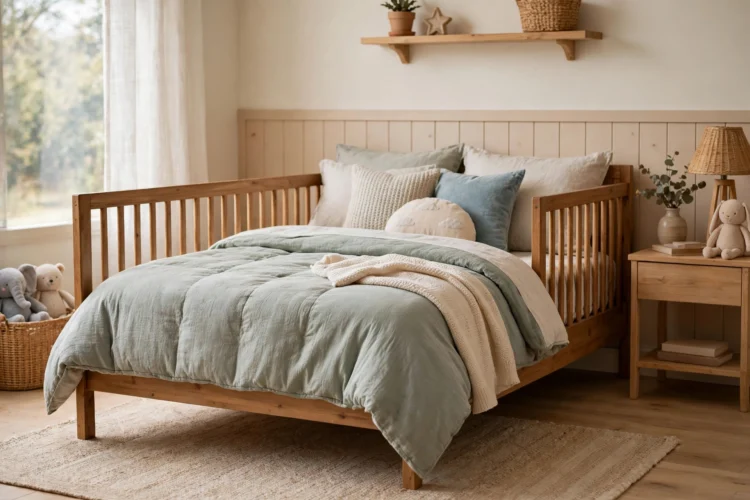
Paint is the cheapest way to age a room up or down. Keep walls a soft neutral and bring color through bedding, curtains, art, and one accent rug. When tastes change from dinosaurs to space to music, you swap textiles, not furniture, and the room keeps up for the price of a bedding set.
Let kids pick the swap layers themselves. A child who chooses their own duvet cover or wall prints cares more about keeping the room tidy, and the room reflects their current interests without locking you into a theme. Save bold paint for one accent wall if you must, since one wall repaints fast when tastes move on.
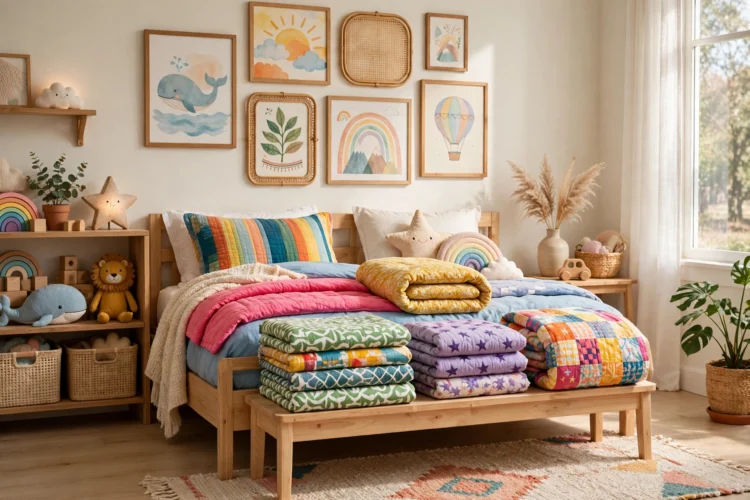
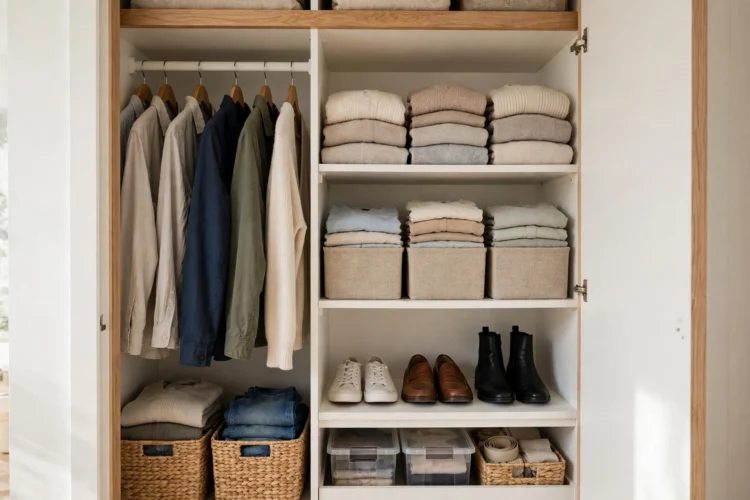
Kids bedroom storage works when kids can reach it and reset it alone. Low open bins for toys, labeled baskets for blocks and art supplies, and a bookshelf at eye height beat tall closed cabinets that need adult help. Use pictures on labels for young kids and words as reading grows, so the system grows with them.
Give every category one home and keep the total number of bins low, since too many boxes just become clutter with lids. A weekly ten minute tidy with a parent teaches the habit, and a room kids can reset alone stays tidier between those sessions. Storage that kids control is storage that actually gets used.
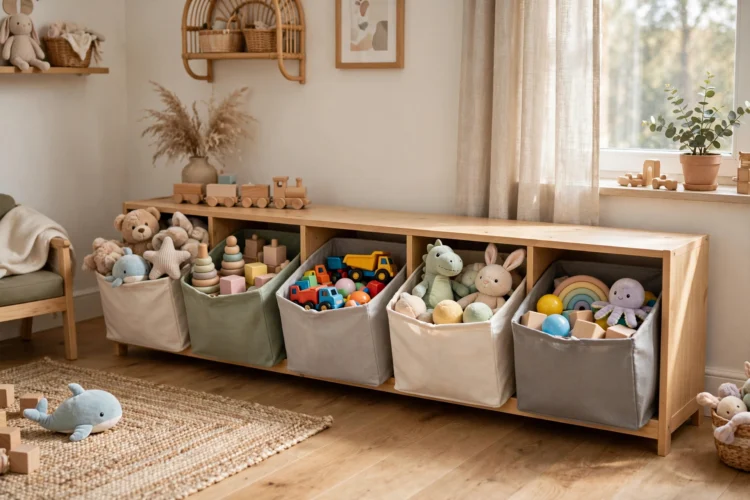
A homework zone started early saves a later scramble. A small desk, a comfortable chair, and good task light near a window give schoolwork a home from the first reading assignments onward. Keep supplies in one drawer or caddy so homework does not spread across the bed and floor each evening.
As kids grow into longer assignments, the same desk gains a lamp upgrade, a shelf, and a charging spot, without moving the furniture. A kids room grows tween ready when the desk zone already exists, since the tween does not need a new room, just a better chair and more shelf space.
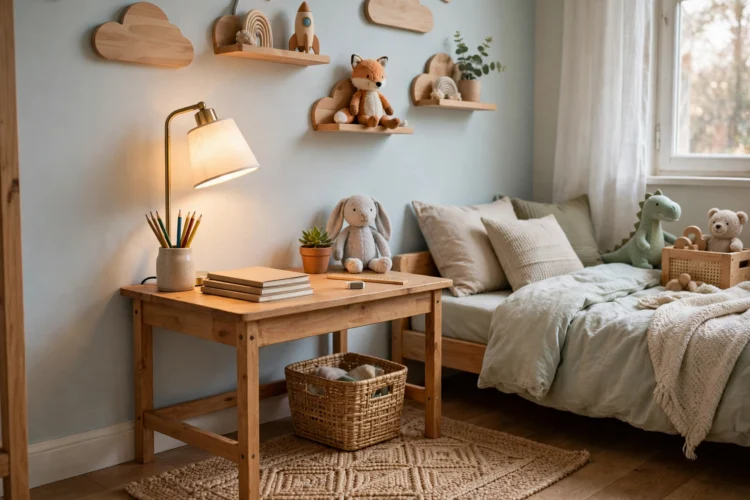
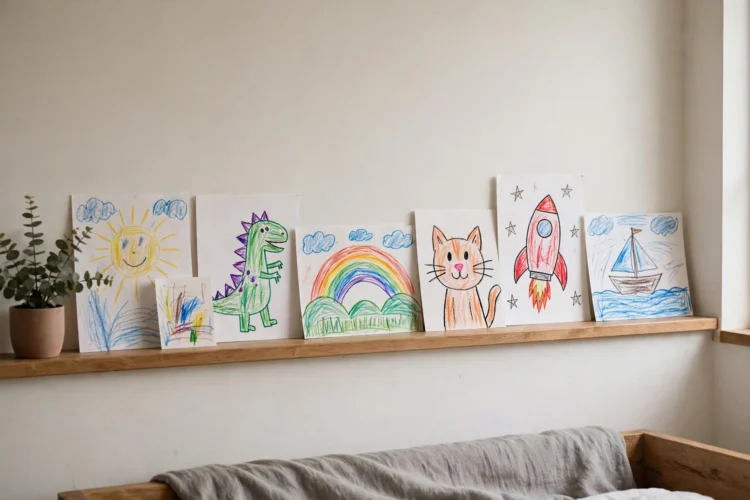
Walls should change as fast as kids do. Picture ledges, clip frames, and magnetic strips let art rotate without new nail holes each time, while a cork board or wire grid holds tickets, photos, and drawings. Kids who curate their own wall feel ownership of the room, and ownership keeps them invested in it.
Mount one or two floating shelves for books and favorite objects, at a height kids can reach safely. Rotate the display each season so the room feels fresh without spending anything. When art and shelves do the decorating, the walls never need a full repaint to match a new phase.
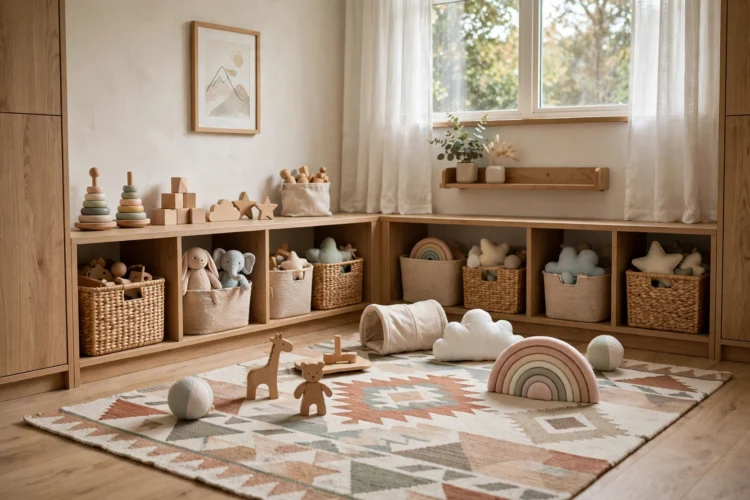
Open floor matters more than extra furniture in a kids room. Leave a clear play zone in the middle of the room for building, dancing, and sprawling with friends, and push furniture to the walls. A rug marks the play zone and softens falls, while a toy rotation system keeps half the toys stored and the other half in play.
Rotate toys every few weeks and the old ones feel new again, which cuts both clutter and the urge to buy more. A clear floor also makes cleaning fast, since everything has a bin to return to. Play space is the room’s real luxury, and protecting it beats filling every corner.
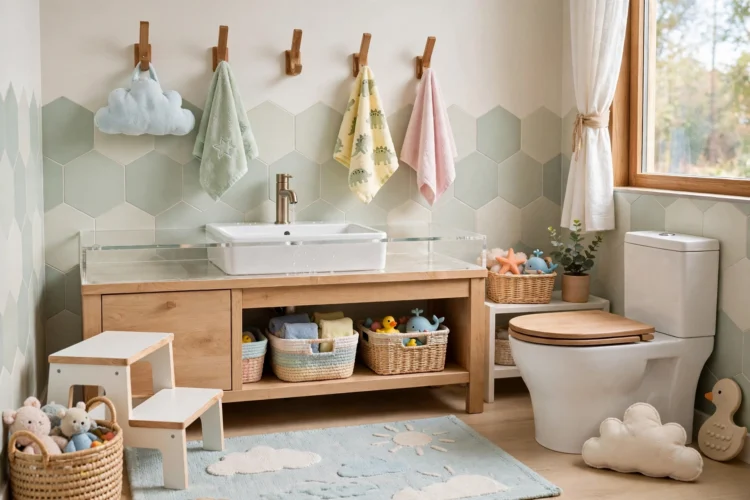
The bathroom kids use should grow alongside the bedroom. A step stool that tucks away, hooks at kid height plus adult height, and a vanity with clear counter space let young kids manage alone and teens take over later. Keep bath storage simple: one bin per child for toiletries, so mornings stay calm even when siblings share the room.
Small bath fixes pay off here too. These small bathroom layout ideas help a shared kids bath fit two children at once, while these bathroom storage ideas keep counters clear of bottles and brushes. A fresh coat in a kid-approved shade from these bathroom paint color ideas, plus a reachable mirror setup from these bathroom mirror ideas, lets the bath age up with the bedroom beside it.
Plan the room for the school years, not just the preschool years. A child who starts school soon needs a reading nook, a backpack hook by the door, and a shelf for school books, all of which fit the same adaptable layout. Add a small bulletin board for schedules and art, and keep one drawer free for school supplies that change each year. Rooms that welcome school life early make the transition smoother for kids and parents alike.
Revisit the room once a year, ideally before a new school year starts. Ask your child what stopped working: a desk that feels small, a bin that overflows, a bedtime lamp that glares. Fix one or two items each year instead of waiting for a full redo. Annual tune-ups keep the room matched to the child, and they cost far less than replacing furniture every few years.
Keep one display shelf just for the current favorite, a trophy, a model, or a prized drawing. Rotating that single spotlight item keeps the room feeling current without adding clutter, and kids love choosing what earns the spotlight each month.